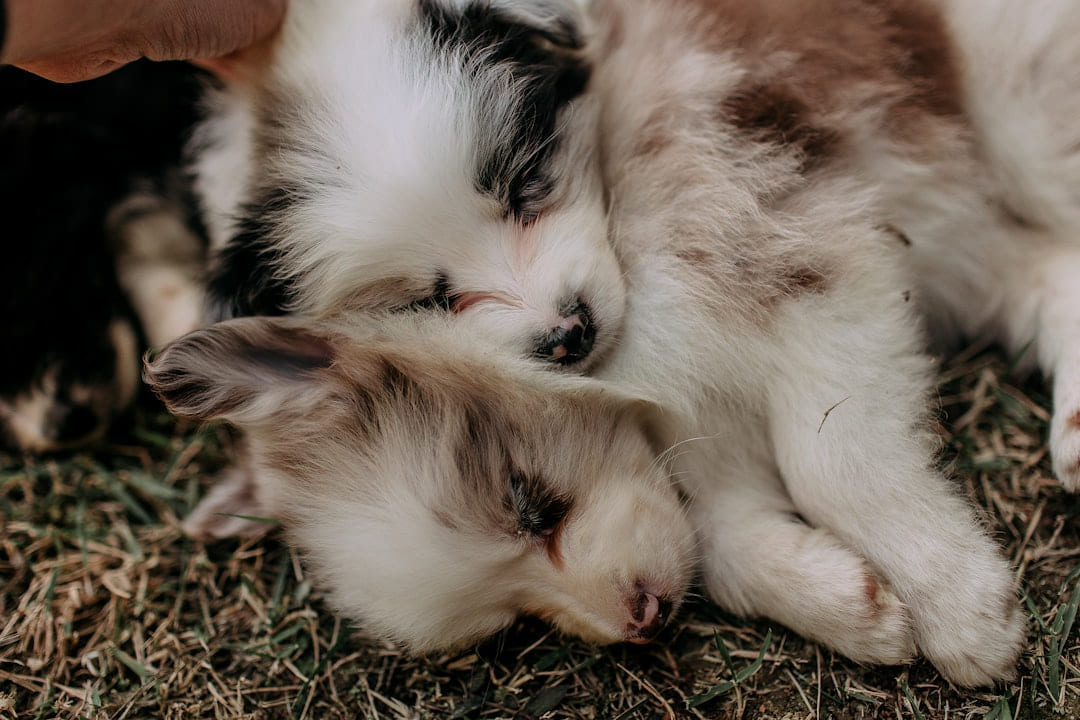
Exotic Pets can be easier to approach when you start with a few practical basics.
- Crested Geckos: Docile, fascinating to watch, require a specific humidity level, insectivores.
- Sugar Gliders: Highly social, intelligent, need a lot of space and interaction, complex diet.
- African Pygmy Hedgehogs: Unique personalities, require a specific temperature gradient, nocturnal.
Setting Up the First Week: Creating a Stable Home (Exotic Pets)
Once you’ve chosen your pet, it’s time to build a comfortable and secure home. The first week is absolutely crucial for establishing a stable environment and letting your new pet settle in. Rushing this step can cause a lot of stress for your new friend. Substrate: This is the material covering the bottom of the enclosure. Avoid loose substrates like calcium sand for Leopard Geckos - they can ingest it and cause impaction. Paper towels are a good temporary option, but long-term, a bioactive substrate like coconut fiber or reptile carpet is ideal. Temperature Gradient: Exotic pets need a temperature gradient - a warm area and a cooler area - to regulate their body temperature. For a Leopard Gecko, you’ll need a heat mat placed on one side of the terrarium, controlled by a thermostat, to create a basking spot of around 88-92°F. A thermometer is essential to monitor the temperature. Humidity: Crested Geckos need a high humidity level (around 60-80%). You can achieve this by misting the enclosure regularly and using a hygrometer to monitor humidity levels. Hedgehogs prefer a drier environment. Essentials: Provide secure hides - a cork bark hide for a Leopard Gecko, a half-log for a Crested Gecko, or a snug pouch for a hedgehog. Also, include a water dish and a shallow bowl for soaking. Enrichment: Start simple. A small branch to climb on, a few smooth rocks, or a piece of driftwood can provide visual and physical stimulation.
Feeding and Hydration: Getting Started Right
Feeding your new pet correctly is paramount. Don’t just grab the cheapest food available - research the specific dietary needs of your chosen species. Commercial diets can be a good starting point, but supplementing with fresh foods is often necessary. Leopard Geckos benefit from occasional calcium and vitamin D3 supplementation. Sugar Gliders require a varied diet of fruits, vegetables, and protein sources. Fresh, clean water must always be available. Use a water dish that’s easy for your pet to access, or a water bottle with a secure cap. Check the water daily to ensure it’s clean and fresh. Don’t assume your pet will drink if they don’t immediately lap up water - encourage them with misting or by offering a dripping water source.
Monitoring and Maintaining the Environment
Once the habitat is set up, consistent monitoring is key. Invest in a reliable thermometer and hygrometer - these are your best friends. Check the temperature and humidity levels daily. Be prepared to make adjustments as needed. Substrate can become soiled quickly, so spot clean daily and do a full substrate change every 1-2 weeks. Look for signs of illness - lethargy, loss of appetite, abnormal stool - and consult a vet immediately if you notice anything concerning.
Gentle Handling and Acclimation: Building Trust
Most exotic pets are naturally wary of new environments and new people. Resist the urge to handle your pet immediately. Give it at least a week, or even two, to fully acclimate to its new home. Observe its behavior - is it hiding? Is it eating and drinking normally? When you do attempt to handle your pet, do so gently and slowly. Support its body fully and avoid sudden movements or loud noises. Positive reinforcement, like offering a favorite treat (if appropriate), can help build trust.
Veterinary Care and Common Mistakes
Finding a qualified exotic animal veterinarian is crucial. Not all vets have experience with exotic pets. Do your research and find a vet who specializes in reptiles, amphibians, or small mammals. During the initial check-up, the vet will assess your pet’s overall health and discuss preventative care. Common beginner mistakes include overheating, maintaining incorrect humidity levels, using an enclosure that’s too small, and feeding an inappropriate diet. Overheating is a particularly serious concern - always use a thermostat to regulate heat sources. Proper research and a commitment to providing the right environment are the best ways to avoid these pitfalls.
Start with what you will actually use
With New Exotic Pets: A Gentle Start, the first question is usually not which option looks best on paper. It is which part will make day-to-day life easier, smoother, or cheaper once the novelty wears off.
A lot of options sound great until you picture them in a normal week. If the setup is fussy, the routine is easy to forget, or the maintenance is annoying, the appeal fades quickly.
There is also value in keeping one part of the process deliberately simple. Readers often do better when they identify the one decision that carries the most weight and make that choice carefully before they chase smaller optimizations. That keeps momentum steady and usually prevents the topic from turning into clutter.
What tends to get overlooked
Tradeoffs are normal here. Cost, convenience, upkeep, and flexibility do not always line up neatly, so it helps to decide which tradeoff matters least to you before you commit.
This usually gets easier once you make a short list of priorities. A tighter list tends to produce better decisions than trying to solve every possible problem at once.
Another useful filter is asking what you would still recommend if the budget got tighter, the schedule got busier, or the setup had to be easier for someone else to manage. The answers to that question usually reveal which advice is durable and which advice only works under ideal conditions.
How to keep the setup simple
If you want New Exotic Pets: A Gentle Start to hold up over time, choose the version you can actually maintain. That can mean spending less, leaving out an attractive extra, or simplifying the setup so it fits ordinary life.
The version that holds up best is usually the one you can live with on an ordinary day. That often matters more than the version that only feels good when you have extra time, energy, or money.
That is why the best next step is often a modest one with a clear upside. You want something specific enough to act on, flexible enough to adjust, and practical enough that you would still recommend it after the first burst of enthusiasm fades.
Conclusion
Bringing home an exotic pet is an exciting adventure, but it’s important to approach it with knowledge and preparation. By focusing on the initial weeks - setting up the right habitat, providing the correct diet, monitoring the environment, and allowing your pet to acclimate - you’ll give your new friend the best possible start. Remember, patience and ongoing research are key. Don’t be afraid to ask questions and seek advice from experienced keepers or your veterinarian. A little extra effort now will pay off in a long and happy life together. the recommendations below
Keep This Practical
The most helpful pet-care changes are usually the ones your animal can feel right away: more comfort, clearer routines, and less daily stress. Start there and build steadily.
Tools Worth A Look
If you want a practical next step for your pet's routine or setup, the recommendations below are the best fit.
- First-Year Puppy Health Care: A How-To Health Care Guide to for the First Twelve Months of Your New Dogs LifeFELIWAY Optimum Cat, Enhanced Calming Pheromone Diffuser: 1 Diffuser and 2 Refills (60 Days)MYPAWLETS Inkless Paw Print Kit,Extra Large Pet Safe Clean Touch Ink Pad,Mess-Free Paw Print Stamp Pad for Dogs Cat,Dog Nose Print Kit
Some of the links on this page are Amazon affiliate links, which means I may earn a small commission if you make a purchase through them. As an Amazon Associate, I earn from qualifying purchases.
Related ReadingMore from Little Critter Guide
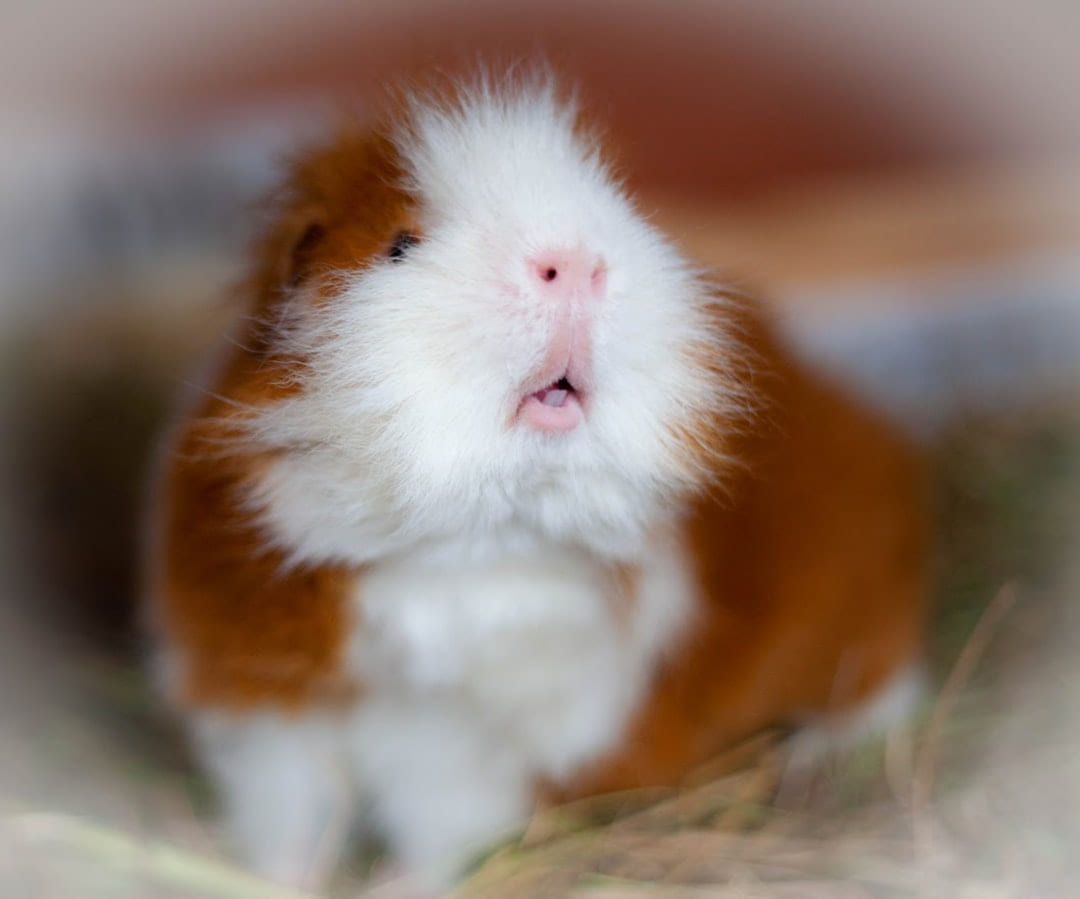
New Exotic Pet? Start Here
Exotic Pet Introductions Checklist - Little Critter Guide Exotic Pet Introductions Checklist: A Guide for New Owners Welcome to the Wonderful World of Exotic Pets!.

Exotic Pets: Introductions or Something Else?
Exotic Pet Introductions vs Alternatives: Finding the Right Fit for You Exotic Pet Introductions vs Alternatives: Finding the Right Fit for You The Allure.

Exotic Pet Introductions: Common Problems & How to Fix Them
Exotic Pet Introductions Mistakes to Avoid Little Critter Guide: Exotic Pet Introductions Mistakes to Avoid Mistake #1: Rushing the Process This is, withou...