Hello, and welcome back to Little Critter Guide. My name is Erin Everly, and I’m so glad you’re here. If you’re considering bringing a small, perhaps unusual, creature into your life, you’ve come to the right place. There’s a certain magic in welcoming a tiny being into your home, a quiet joy in providing a safe and loving space for a creature that often relies entirely on us for its well-being. But the world of exotic pets can feel a little daunting, especially for a beginner. Today, we’re going to talk about something really important: what happens before you bring your new friend home, and whether simply “introducing” them to their environment is truly enough.
Let’s be honest, the word “exotic” can conjure up images of lush rainforests, vibrant colors, and maybe even a touch of the unknown. And that’s part of the allure, isn’t it? But it also carries a responsibility. Exotic pets - be they sugar gliders, crested geckos, leopard geckos, dwarf rabbits, or even certain types of reptiles - have very specific needs that often differ drastically from those of a typical dog or cat. Ignoring these needs, or rushing the process, can lead to significant stress, illness, and a very unhappy animal. So, let’s move beyond the simple idea of “introducing” them and explore a more holistic approach.
Beyond “Introduction”: Creating a Sanctuary
When we talk about “introducing” a pet, we often mean simply putting them in their new enclosure and hoping for the best. While that first step is crucial, it’s rarely sufficient. Think of it this way: you wouldn’t just drop a child into a busy city street and expect them to thrive, would you? They need a safe space, a sense of security, and a gradual adjustment period. Your new pet deserves the same. Instead of just introducing them, we need to create a sanctuary - a miniature world designed specifically to meet their needs.
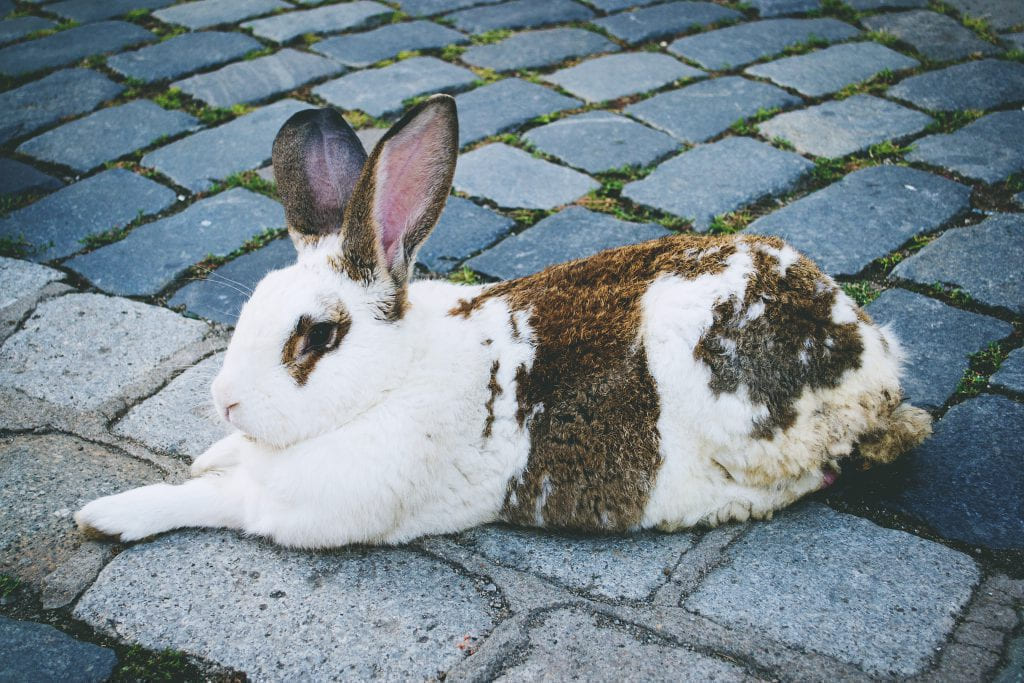
This sanctuary isn’t just about a pretty cage or a cool terrarium. It’s about understanding their natural history. Where did they come from? What do they eat? How do they behave in the wild? For example, a crested gecko, native to Southeast Asia, needs a humid environment, a specific diet of insects and fruit, and a vertical climbing space to mimic their natural habitat. Simply placing them in a dry, bare tank with crickets won’t cut it. They’ll be stressed, likely develop health problems, and their overall quality of life will suffer. Similarly, a dwarf rabbit needs a spacious enclosure with plenty of room to hop and explore, a substrate that’s safe to ingest, and a diet rich in hay, fresh vegetables, and a small amount of pellets. A tiny wire cage with a thin layer of newspaper is simply not adequate.
The Stages of Preparation - A Gentle Transition
So, how do we actually prepare for a new arrival? It’s a process, and it’s best broken down into stages. Let’s look at a few key areas:
- Quarantine (If Necessary): If you’re bringing home a reptile or amphibian, quarantine is absolutely essential. This means keeping them completely separate from any existing pets for a period of 30-90 days. This allows you to monitor them for any signs of illness without risking the health of your other animals.
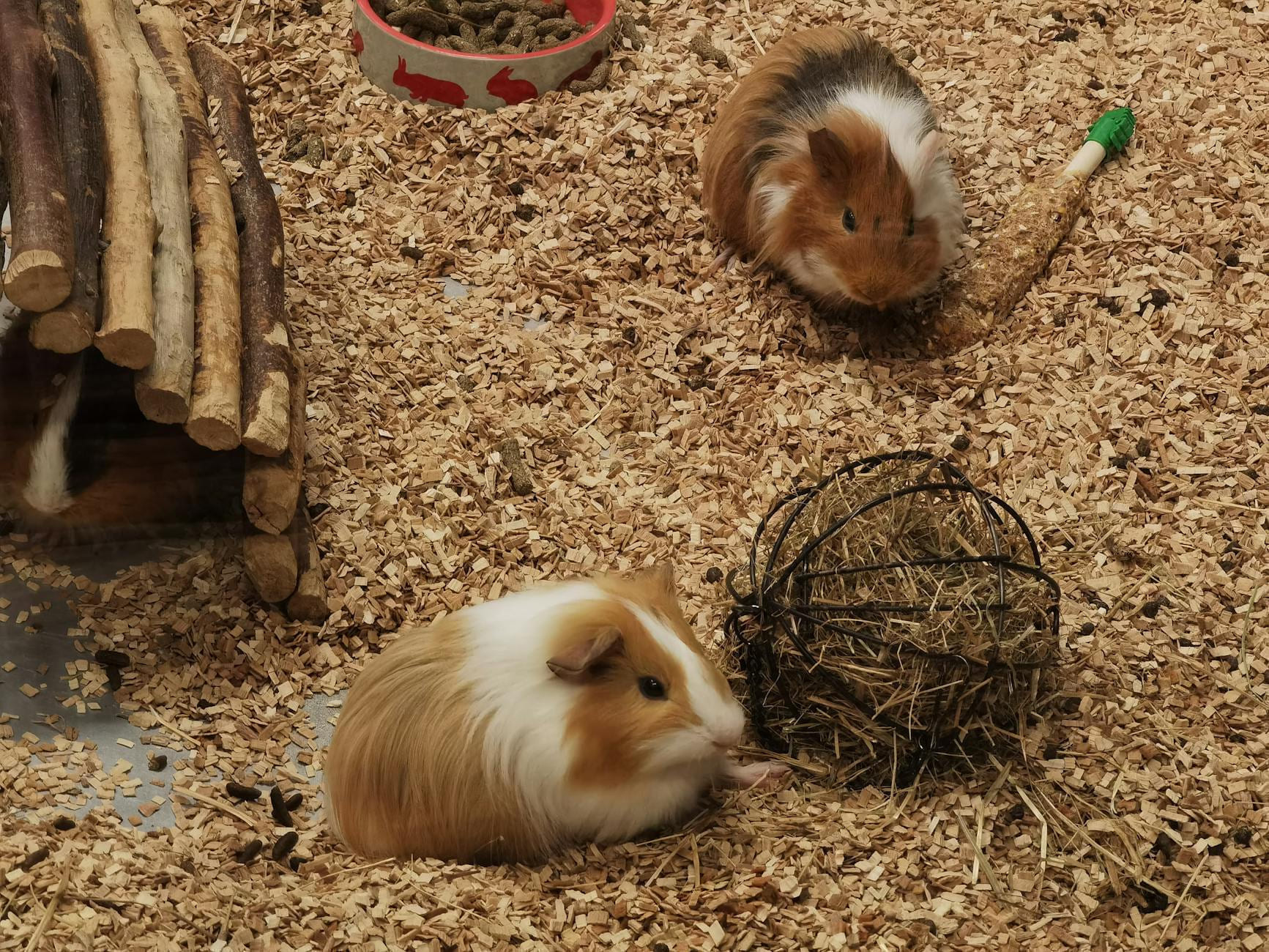
- Enclosure Setup - Before They Arrive: This is where the sanctuary begins. Set up the entire enclosure *before* you bring your pet home. Include everything they’ll need: food and water dishes, hides, climbing structures, substrate, heating and lighting (if required), and a temperature and humidity gauge to ensure it’s within the correct range.
- Scent Familiarization: This is often overlooked, but it’s incredibly important. Before your pet even enters the enclosure, introduce their scent. You can do this by rubbing a cloth on their carrier or transport container on items that will be placed in their new home - a blanket, a favorite toy, or even a piece of your clothing. This helps them become familiar with the smells and reduces anxiety.
- Temperature and Humidity Adjustment: If your pet requires specific temperature and humidity levels, gradually adjust the environment over a week or two. Sudden changes can be incredibly stressful.
- Dietary Transition: Similarly, a gradual dietary transition is key. Don’t suddenly switch them to their full adult diet. Start by mixing a small amount of the new food with their old food and slowly increase the proportion over time.
The First Few Hours - Patience and Observation
Once your pet is finally in their new home, resist the urge to immediately interact with them. The first few hours - or even the first day - are about allowing them to settle in and explore at their own pace. Observe them carefully. Are they hiding? Are they eating? Are they drinking? Are they showing any signs of stress, such as excessive panting, rapid breathing, or repetitive behaviors?
A small, quiet space is often the best place for a new pet to start. Give them a few days to adjust before attempting to handle them. And remember, every animal is different. Some will be bold and curious, while others will be shy and hesitant. Respect their boundaries and let them come to you. A gentle voice and a calm demeanor can go a long way in building trust.
Beyond the Basics: Enrichment and Routine
Creating a sanctuary isn't a one-time task; it’s an ongoing commitment. Regular enrichment - providing opportunities for mental and physical stimulation - is crucial for maintaining a happy and healthy pet. This could include puzzle feeders, foraging opportunities, new toys, or even simply rearranging their enclosure to provide a change of scenery. Establishing a consistent routine - regular feeding times, cleaning schedules, and interaction periods - can also help reduce stress and promote a sense of security.
Bringing a small creature into your life is a beautiful thing. It’s an opportunity to experience the unique joys and rewards of animal companionship. But it’s also a responsibility. By taking the time to prepare a proper sanctuary and to understand your pet’s individual needs, you’re setting them up for a lifetime of happiness and well-being. And that, my friends, is what Little Critter Guide is all about - ensuring every small life has the chance to thrive.
Keep This Practical
Good pet decisions tend to be simple, observant, and consistent. Focus on one change that improves your animal's environment or routine, then watch how they respond before adding more.