This Little Critter Guide guide looks at New Exotic Pet through the lens of realistic tradeoffs, simple next steps, and long-term usefulness.
By Justin Merritt
Bringing a new animal companion into your life is a profoundly rewarding experience. However, it’s also a significant responsibility, one that demands careful consideration and a realistic understanding of the animal’s needs. While dogs and cats often dominate the pet landscape, the world of small pets and beginner-friendly exotic animals offers a wealth of fascinating and manageable companions. This guide, crafted with the methodical approach I’ve honed over years of hands-on experience - from constructing habitats at the Willow Creek Small Mammal Sanctuary to analyzing individual animal behaviors - aims to equip you with the knowledge to confidently embark on this journey. We’re not talking about impulsive purchases; we’re talking about creating a truly enriching environment where your new friend can thrive. Let’s delve into what it takes to successfully integrate a new exotic pet into your life.
Why Consider a New Exotic Pet?
The appeal of exotic pets is understandable. They often possess unique personalities, captivating behaviors, and require less space than traditional household animals. However, it’s crucial to move beyond the initial fascination and recognize that these animals have specific, often complex, needs. A leopard gecko, for instance, demands a vastly different environment than a hamster, and both require specialized diets and enrichment. The key difference between a well-adjusted exotic pet and one struggling with stress or illness often boils down to the quality of its habitat and the consistency of its care. Choosing an exotic pet shouldn't be driven by novelty; it should be a deliberate decision based on your ability to meet those needs.
Top Beginner-Friendly Exotic Pets: A Practical Overview
Let’s look at some popular options, focusing on those generally considered suitable for first-time exotic pet owners. Remember, “beginner-friendly” doesn’t mean “effortless.” All animals require commitment and ongoing learning. Here are a few examples:
- Leopard Geckos: These reptiles are relatively low-maintenance, tolerate handling well (with patience), and have simple dietary needs - primarily insects. A properly set-up terrarium with appropriate temperature gradients and hiding places is essential.
- Crested Geckos: Similar to leopard geckos in terms of care requirements, crested geckos are known for their docile nature and striking appearance. They require a vertical terrarium to encourage climbing and a diet primarily consisting of commercially available crested gecko diets.
- Bearded Dragons: These diurnal lizards are popular for their friendly personalities and relatively easy care. They need a spacious enclosure, UVB and heat lamps, and a varied diet of insects and vegetables.
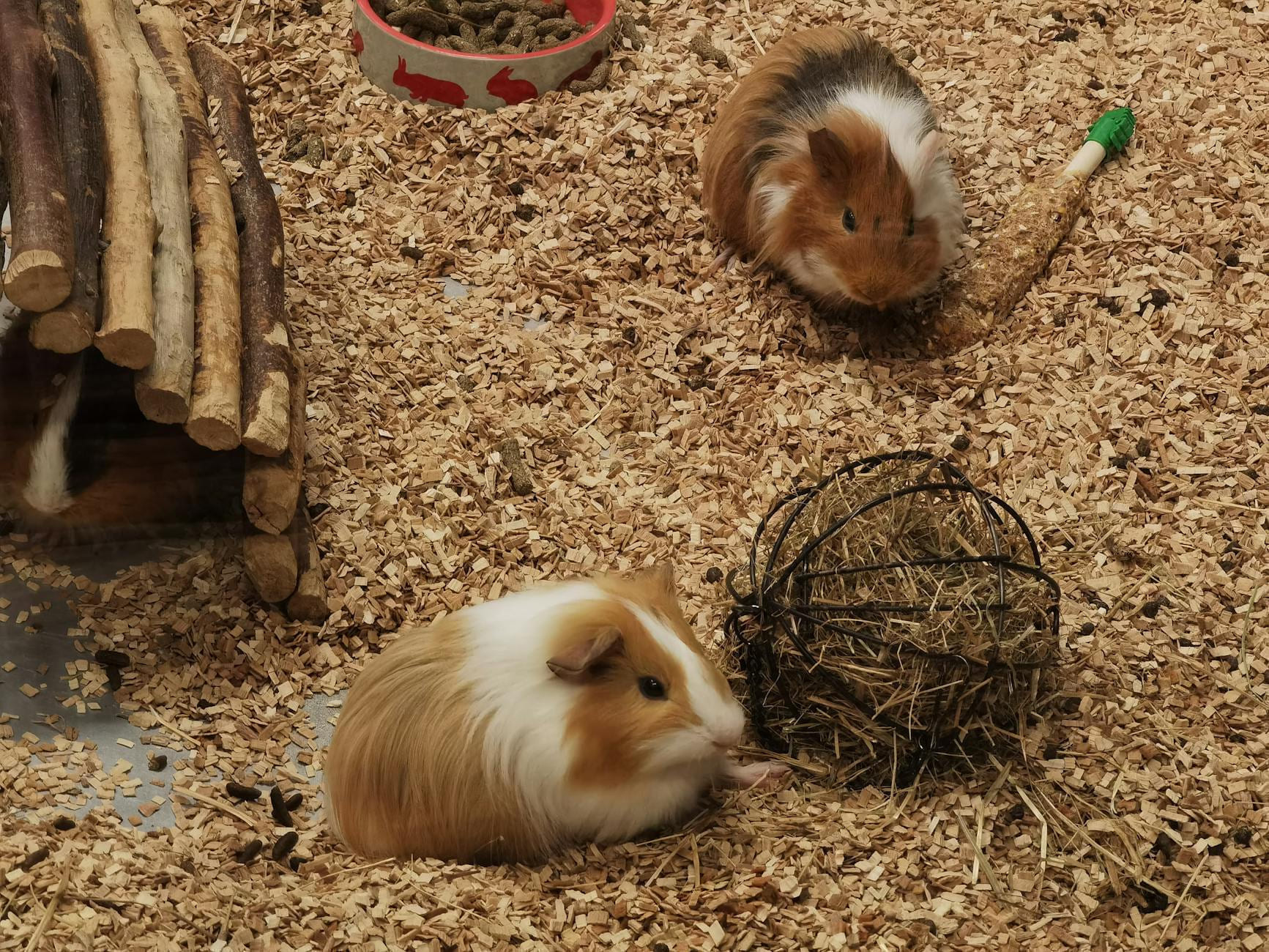
- Dwarf Hamsters: While hamsters require daily care, they are generally hardy and adaptable. A spacious cage with plenty of bedding, a wheel, and enrichment toys is crucial.
- Sugar Gliders: These nocturnal marsupials are incredibly social and intelligent but require a significant time commitment. They need a large, multi-level enclosure, a specialized diet, and ideally, a companion. (Note: Sugar gliders are often considered a more advanced exotic pet due to their complex social needs).
Setting Up the Right Habitat: The Foundation of Wellbeing
Habitat design is arguably the most critical factor in an exotic pet’s wellbeing. It’s far more than just putting an animal in a cage; it’s about creating an environment that mimics its natural habitat as closely as possible. Let's break down the key components:
- Enclosure Size: Bigger is almost always better. Overcrowding leads to stress, aggression, and health problems. Research the minimum recommended size for your chosen species and aim for larger.
- Substrate: Choose a substrate appropriate for your animal’s needs. Reptiles often benefit from bioactive setups, incorporating beneficial bacteria and plants to create a self-cleaning environment. Hamsters need bedding that allows for burrowing.
- Temperature and Humidity: Maintaining the correct temperature and humidity levels is paramount. Invest in thermometers and hygrometers to monitor these conditions accurately. Heating pads and thermostats are often necessary.
- Lighting: UVB and UVA lighting are essential for reptiles, providing the necessary vitamin D3 synthesis and promoting healthy skin and bone growth.
- Enrichment: Provide opportunities for your animal to engage in natural behaviors. This could include climbing structures, hiding places, digging boxes, or puzzle feeders.
Example: A leopard gecko’s terrarium needs a warm side (around 88-92°F) and a cool side (around 75-80°F) to allow it to regulate its body temperature. A temperature gradient achieved with a heat mat and a ceramic heat emitter is crucial. A simple, cramped cage with just a substrate and a water dish is simply not sufficient.
Nutrition: Fueling a Healthy Life
Proper nutrition is inextricably linked to an animal’s overall health. Don’t rely on generic pet food; research the specific dietary requirements of your chosen species. Many exotic pets require specialized diets consisting of insects, vegetables, fruits, and supplements. A balanced diet contributes to healthy growth, strong immune systems, and vibrant coloration. For example, a bearded dragon’s diet should consist of 80% insects and 20% leafy greens, while a crested gecko’s diet is primarily commercially prepared crested gecko diet supplemented with insects.
Health and Veterinary Care: Proactive Monitoring
Regular veterinary checkups are essential for maintaining your exotic pet’s health. Find a veterinarian experienced in exotic animal care before you acquire your pet. Be vigilant for signs of illness, such as changes in appetite, lethargy, difficulty breathing, or abnormal stool. Early detection and treatment can significantly improve your animal’s prognosis. Establishing a relationship with a qualified vet is a fundamental step in responsible exotic pet ownership.
Beyond the Basics: Enrichment and Socialization
A stimulating environment is just as important as proper nutrition and veterinary care. Provide opportunities for your animal to engage in natural behaviors, such as foraging, exploring, and socializing (where appropriate). For example, a sugar glider needs regular interaction with its owner and a companion to thrive. Even a hamster benefits from puzzle feeders that encourage problem-solving. Consistent interaction and enrichment contribute to a happier, healthier pet.
Conclusion: A Commitment to Lifelong Care
Bringing a new exotic pet into your life is a rewarding but demanding undertaking. It requires thorough research, a commitment to providing a suitable habitat, and a willingness to adapt your care routine as your animal grows and changes. Approaching this responsibility with a methodical and informed mindset - as I’ve always strived to do - will not only ensure your pet’s wellbeing but also deepen your connection and appreciation for these fascinating creatures. Remember, responsible pet ownership is a continuous learning process, and I'm here to provide the information and guidance you need to succeed.
Start with what you will actually use
With New Exotic Pet, the first question is usually not which option looks best on paper. It is which part will make day-to-day life easier, smoother, or cheaper once the novelty wears off.
A lot of options sound great until you picture them in a normal week. If the setup is fussy, the routine is easy to forget, or the maintenance is annoying, the appeal fades quickly.
There is also value in keeping one part of the process deliberately simple. Readers often do better when they identify the one decision that carries the most weight and make that choice carefully before they chase smaller optimizations. That keeps momentum steady and usually prevents the topic from turning into clutter.
Keep This Practical
If this topic matters to your pet right now, keep the next step calm and practical. A small improvement in safety, enrichment, or routine often makes a bigger difference than buying more at once.