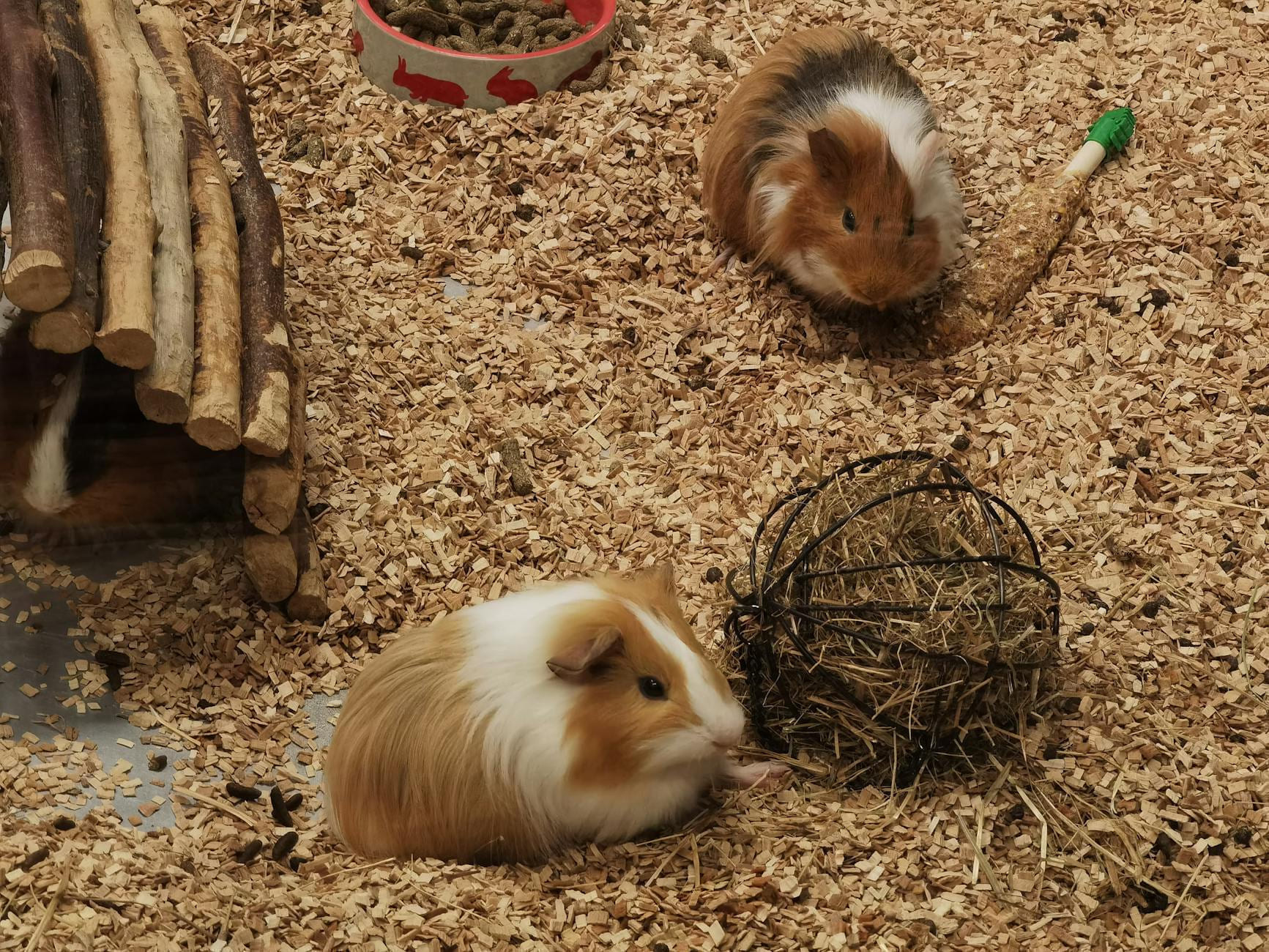
Mistake #1: Rushing the Process (Exotic Pet Introductions)
This is, without a doubt, the most frequent mistake we see. Many owners, eager to see their pets interact, try to force introductions too quickly. This is disastrous. Think of it like dropping a toddler into a crowded playground - it’s overwhelming and likely to end badly. With exotic pets, a slow and gradual approach is essential. Start with scent swapping - more on that below - and then move to visual introductions through a barrier. Don’t expect them to become best buddies overnight. Allowing a period of acclimation, where they simply get used to each other’s presence without direct interaction, can take weeks or even months. A good rule of thumb is to wait at least two weeks before attempting any direct contact, and even then, proceed with extreme caution.
Mistake #2: Ignoring Scent Swapping
Smell is incredibly important to animals, far more so than it is to humans. Scent swapping is a fantastic way to introduce your pets to each other without the stress of direct confrontation. How does it work? Simply exchange items that carry each animal’s scent. For reptiles, this could be swapping hides or branches. For small mammals like sugar gliders, it might be swapping bedding or toys. Even a simple towel rubbed on one animal and then placed near the other can be effective. The goal is to familiarize them with each other’s unique odor, creating a sense of familiarity and reducing fear. This process should be repeated daily for a few days before moving on to the next step.
Mistake #3: Lack of Quarantine - A Silent Threat
Before introducing any new pet, a proper quarantine period is absolutely critical. Even if your new pet appears healthy, they could be carrying parasites, viruses, or bacteria that could be devastating to your existing animals. A quarantine period of 30-60 days (depending on the species and vet’s recommendations) allows you to monitor your new pet for any signs of illness and treat them if necessary before they’re exposed to your established pets. This isn't just about preventing illness; it’s about protecting your existing animals and your home environment. Set up a separate, dedicated space - a spare room or large enclosure - for the new pet during this time. Ensure it has its own food, water, substrate, and enrichment items.
Mistake #4: Inadequate Habitat Preparation
A chaotic introduction is almost guaranteed to fail if the habitats aren’t properly prepared. Each animal needs a space that meets their specific needs - temperature, humidity, lighting, substrate, hiding places, and enrichment. Don’t just throw them into a shared room and hope for the best. Consider the following:
- Reptiles: Ensure temperature gradients are established, hides are available in different locations, and UVB lighting is properly set up.
- Small Mammals: Provide separate food and water bowls, appropriate bedding, and plenty of toys and climbing opportunities.
- Birds: A spacious cage with perches, toys, and a clean environment is crucial.
Mistake #5: Ignoring Body Language - Reading the Signals
Just like humans, animals communicate through body language. Learning to recognize signs of stress, fear, or aggression is vital during introductions. Here are some key things to watch for:
- Reptiles: Hiding, refusing to eat, excessive shedding, puffed-up appearance.
- Small Mammals: Hiding, excessive grooming, flattened ears, piloerection (raised fur), chattering teeth, hissing.
- Birds: Feather fluffing, rapid breathing, gaping beak, pinning eyes.
If you observe any of these signs, immediately separate the animals and slow down the introduction process. Don’t force interaction - let them approach each other at their own pace.
Mistake #6: Assuming All Animals Get Along
This is a dangerous assumption. Even if two animals seem initially friendly, their personalities and social needs may be incompatible. Some reptiles are solitary, while others can tolerate a tank mate. Some small mammals are naturally territorial, while others are more social. Observe their interactions closely and be prepared to separate them if necessary. It's better to err on the side of caution and prioritize the well-being of each individual animal.
Mistake #7: Neglecting Ongoing Monitoring
The introduction process doesn't end once they’re housed together. Continue to monitor their interactions closely for several weeks or months. Look for signs of stress, aggression, or illness. Be prepared to intervene if necessary, and don't hesitate to consult with a veterinarian or experienced exotic animal keeper if you have any concerns. Regular check-ups are crucial to ensure both animals are thriving.
Start with what you will actually use
With Exotic Pet Introductions: Common Mistakes, the first question is usually not which option looks best on paper. It is which part will make day-to-day life easier, smoother, or cheaper once the novelty wears off.
A lot of options sound great until you picture them in a normal week. If the setup is fussy, the routine is easy to forget, or the maintenance is annoying, the appeal fades quickly.
There is also value in keeping one part of the process deliberately simple. Readers often do better when they identify the one decision that carries the most weight and make that choice carefully before they chase smaller optimizations. That keeps momentum steady and usually prevents the topic from turning into clutter.
What tends to get overlooked
Tradeoffs are normal here. Cost, convenience, upkeep, and flexibility do not always line up neatly, so it helps to decide which tradeoff matters least to you before you commit.
This usually gets easier once you make a short list of priorities. A tighter list tends to produce better decisions than trying to solve every possible problem at once.
Another useful filter is asking what you would still recommend if the budget got tighter, the schedule got busier, or the setup had to be easier for someone else to manage. The answers to that question usually reveal which advice is durable and which advice only works under ideal conditions.
How to keep the setup simple
If you want Exotic Pet Introductions: Common Mistakes to hold up over time, choose the version you can actually maintain. That can mean spending less, leaving out an attractive extra, or simplifying the setup so it fits ordinary life.
The version that holds up best is usually the one you can live with on an ordinary day. That often matters more than the version that only feels good when you have extra time, energy, or money.
That is why the best next step is often a modest one with a clear upside. You want something specific enough to act on, flexible enough to adjust, and practical enough that you would still recommend it after the first burst of enthusiasm fades.
Keep This Practical
If this topic matters to your pet right now, keep the next step calm and practical. A small improvement in safety, enrichment, or routine often makes a bigger difference than buying more at once.
Tools Worth A Look
These picks are most helpful when they improve pet safety, comfort, enrichment, or day-to-day care without adding unnecessary complexity.
- Luciphia 1 Pack 3 Blankets Fluffy Premium Fleece Pet Blanket Flannel Paw Printed Throw for Dog Cat(Small Grey/Brown/Blue)Bocce's Bakery Oven Baked Sunday Roast Treats for Dogs, Everyday Wheat-Free Dog TreatsFELIWAY® Optimum 30 Day Cat Calming Refill for Pheromone Diffuser, 48mlMANON ROSA Sugar Glider Harness and Leash SetPet Snuffle Ball, Puzzle Sniffing Interactive Dog Ball for Blind Dogs Training Stress Relief Dog Enrichment Toys Treat Machine Washable (20cm, Rainbow Color)
Some of the links on this page are Amazon affiliate links, which means I may earn a small commission if you make a purchase through them. As an Amazon Associate, I earn from qualifying purchases.
Related ReadingMore from Little Critter Guide
New Exotic Pet? Start Here
Exotic Pet Introductions Checklist - Little Critter Guide Exotic Pet Introductions Checklist: A Guide for New Owners Welcome to the Wonderful World of Exotic Pets!.

Exotic Pets: Introductions or Something Else?
Exotic Pet Introductions vs Alternatives: Finding the Right Fit for You Exotic Pet Introductions vs Alternatives: Finding the Right Fit for You The Allure.

Exotic Pet Introductions: Common Problems & How to Fix Them
Exotic Pet Introductions Mistakes to Avoid Little Critter Guide: Exotic Pet Introductions Mistakes to Avoid Mistake #1: Rushing the Process This is, withou...