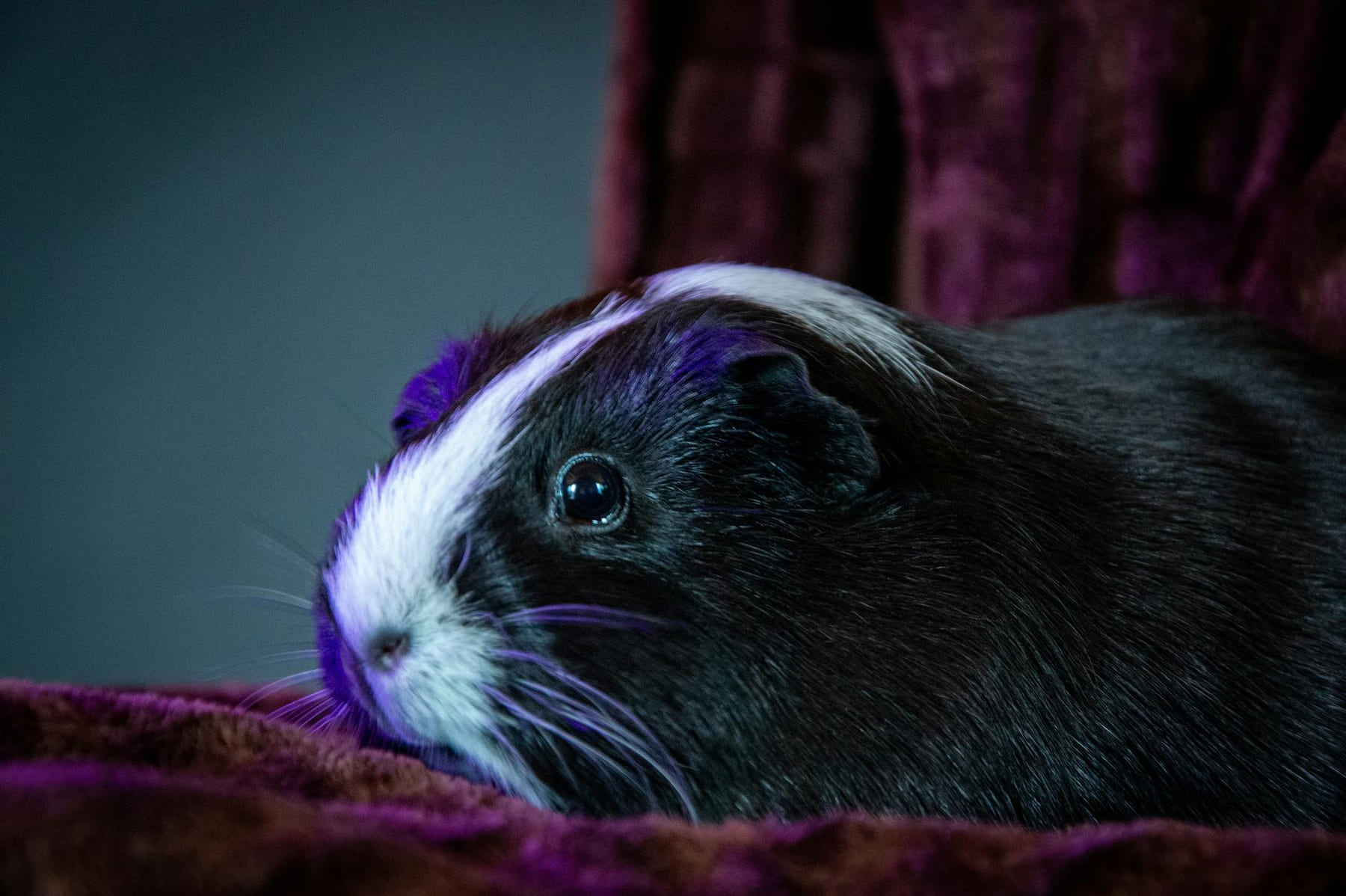
New Exotic Pet Introductions can be easier to approach when you start with a few practical basics. Bringing a new animal into your life is a big deal - a real shift in your routine. And with exotic pets, that feeling of excitement can quickly be mixed with a little bit of… well, uncertainty. There’s a certain appeal to these unique creatures, the quiet beauty, and the feeling of offering a special home. Naturally, you want to make the transition as smooth as possible for both of you. this post focuses on a gentle, gradual approach, prioritizing a calm start and a strong bond. It’s about building trust, not rushing things - and a little patience goes a long way with these animals.
Picking the Right Fit: Start Smart (New Exotic Pet Introductions)
Let’s be honest, not all exotic pets are the same with care. It’s easy to get caught up in the allure of a stunning, complex animal, but a well-informed decision is always the best one. For beginners, there are several fantastic options that offer a good balance between fascinating personalities and manageable needs. Leopard geckos, for instance, are relatively hardy, have simple dietary requirements, and are pretty common. Crested geckos are similar, though they need a bit more humidity. Bettas, or Siamese fighting fish, are stunningly beautiful and surprisingly engaging. Fancy mice and Syrian hamsters are also popular choices, offering a chance to experience the joys of small mammal ownership. You can find a wealth of information on any of these species - and many more - through resources like the Reptile Database (). Just remember to do your research thoroughly before you bring an animal home.
Setting Up Their World - The Foundation
Your pet’s environment is their entire world. It’s not just a cage; it’s their home, their security, their everything. Let’s talk about setting up that home properly. A good starting point for a Leopard Gecko is a 20-gallon long tank - it gives them plenty of room to explore and establish a temperature gradient. Bettas need a minimum of 5 gallons, though bigger is always better. Fancy mice and hamsters need a cage roughly 36”x18”x18”. You’ll need a secure lid - escapes happen, and they’re rarely pleasant. The substrate is important too. Clay-based substrates are generally good for reptiles, providing a natural feel. Paper towels are hygienic and easy to clean, though they lack a naturalistic look. Reptile bark offers a good compromise - it’s textured and provides hiding places. Crucially, you’ll need a thermometer and a hygrometer. Monitoring temperature and humidity is non-negotiable. A good thermometer should read between 85-95°F for a Leopard Gecko, and humidity levels around 50-60% are ideal. You can find starter tanks and basic accessories at most pet stores.
A Safe Start - Quarantine
Don’t let the word “quarantine” scare you - it’s a simple precaution with a big payoff. Bringing a new animal into your existing setup can introduce parasites or diseases, potentially impacting your other pets. Most species benefit from a 30-60 day quarantine period. During this time, the new arrival lives in a separate, basic enclosure - think a small plastic tub with a secure lid, a ceramic tile for a substrate, and a shallow dish of fresh water. Observe your new companion very closely. Watch for any signs of illness: lethargy, loss of appetite, unusual stool, or discharge. This period isn't about intense interaction; it’s about giving your existing pets a chance to be safe.
Slowly Building Trust - Patience is Key
Don’t just throw them in and hope for the best. A rushed introduction can be incredibly stressful for your new pet and can damage the relationship you’re trying to build. The first step is scent swapping. For the first few days, exchange bedding between the quarantine enclosure and your other pet’s habitat. This allows them to get used to you before you get used to them. Next, introduce visual contact. Place the quarantine enclosure near the main enclosure, but with a barrier - a glass wall, a screen, anything that prevents direct contact. Let them see each other, get used to each other’s presence, and gradually adjust to the new smells. Once they seem calm and relaxed, you can start supervised interactions. Keep these brief and positive - offer a treat, speak in a calm voice, and always ensure the new animal has an escape route.
What They Need - Diet & Hydration
What they eat is just as important as where they live. Exotic pets have very specific dietary needs, and it’s crucial to research those needs thoroughly before you buy anything. Leopard Geckos, for example, require a diet of insects - crickets, mealworms, and occasionally roaches. Bettas thrive on a high-quality flake food supplemented with occasional treats like bloodworms. Fancy mice and hamsters need a balanced rodent diet. Variety is key - don’t just feed them the same thing every day. Always provide fresh, clean water in a bowl that’s easy to access. Portion control is important; overfeeding can lead to obesity and other health problems.
Keeping Them Engaged - Enrichment
Boredom is a serious concern with exotic pets. They need mental and physical stimulation to thrive. Think about what would naturally engage an animal in the wild. For Leopard Geckos, this might mean providing a climbing branch, a shallow dish of water for soaking, or a hide to retreat to. Fancy mice and hamsters need plenty of toys - cardboard tubes, chew toys, and digging areas. Rotating enrichment items regularly helps prevent boredom.
Paying Attention - Observe & Adjust
Your pet will tell you if something isn’t right. Pay close attention to their behavior. Changes in appetite, activity level, or stool - these can be early warning signs of illness or stress. Don’t hesitate to consult with a veterinarian specializing in exotic animals. It’s far better to address a minor issue early than to let it escalate.
Wrapping Up
By following these steps - starting with careful species selection, setting up a suitable habitat, implementing a slow and patient introduction, and consistently observing your pet’s behavior - you’ll be well on your way to building a strong and trusting relationship with your new companion. Remember, creating a happy home for your exotic pet is a journey, not a race. It takes time, patience, and a genuine commitment to their needs. Enjoy the process, and welcome your new friend!
Keep This Practical
If this topic matters to your pet right now, keep the next step calm and practical. A small improvement in safety, enrichment, or routine often makes a bigger difference than buying more at once.
Tools Worth A Look
These picks are most helpful when they improve pet safety, comfort, enrichment, or day-to-day care without adding unnecessary complexity.
- PetsPros Simple Pet Care GuidesEMEET 1080P Webcam with Microphone, C960 Web Camera, 2 Mics Streaming Webcam, 90°FOV Computer Camera, Plug and Play USB Web CamHow Shop Like Boss MortgagesThe 2026 Way to Buy a Home in AmericaHome Buying 101: From Mortgages and the MLS to Making the Offer and Moving In
Some of the links on this page are Amazon affiliate links, which means I may earn a small commission if you make a purchase through them. As an Amazon Associate, I earn from qualifying purchases.
Related ReadingMore from Little Critter Guide
New Exotic Pet? Start Here
Exotic Pet Introductions Checklist - Little Critter Guide Exotic Pet Introductions Checklist: A Guide for New Owners Welcome to the Wonderful World of Exotic Pets!.

Exotic Pets: Introductions or Something Else?
Exotic Pet Introductions vs Alternatives: Finding the Right Fit for You Exotic Pet Introductions vs Alternatives: Finding the Right Fit for You The Allure.

Exotic Pet Introductions: Common Problems & How to Fix Them
Exotic Pet Introductions Mistakes to Avoid Little Critter Guide: Exotic Pet Introductions Mistakes to Avoid Mistake #1: Rushing the Process This is, withou...