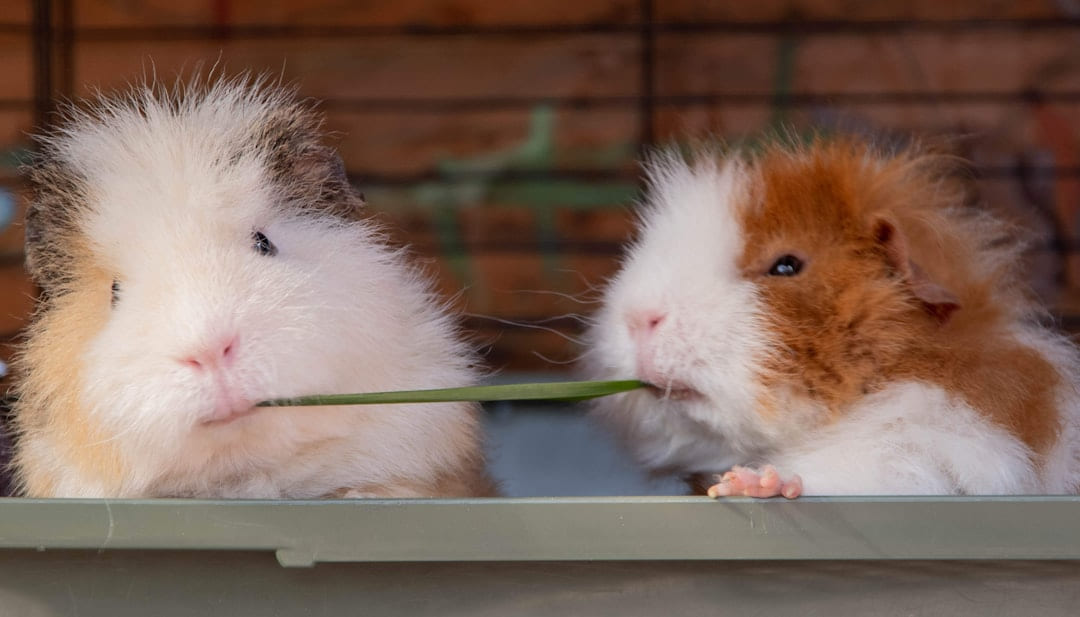
Getting Started: Initial Setup & Quarantine (Exotic Pet Introductions)
Before you even think about bringing your pet home, it’s really important to get a few things sorted out. It’s easy to get caught up in wanting to create the perfect enclosure right away, but taking the time to do it properly will make a huge difference in your pet’s well-being and your own peace of mind. First and foremost, research. Seriously, dive deep! Don’t just skim a quick online blurb. Explore species-specific care sheets, talk to experienced keepers, and really understand the unique needs of the animal you’ve chosen. A hamster and a bearded dragon have dramatically different requirements, and assuming they’re similar is a common mistake. Enclosure size is a key consideration. A general rule is “bigger is better,” but it’s more than just square footage. Think about how your pet moves and behaves naturally. A leopard gecko, for instance, needs a terrarium that allows for climbing, hiding, and a temperature gradient - a long, shallow tank isn’t as effective as a taller one. Insects need plenty of space to move around, and frogs need a water-rich environment. Don’t overcrowd the space; it can be stressful for the animal. Substrate is another crucial detail. The right substrate provides a natural environment, helps maintain humidity, and is easy to clean. Coconut fiber, reptile bark, and paper-based products are popular choices, but always research what’s appropriate for your species. Avoid substrates that can be easily ingested, as some exotic pets can have serious problems with them. Finally, there’s the quarantine period. This is absolutely non-negotiable. Even if your pet looks perfectly healthy, they could be carrying parasites or diseases that aren't immediately visible. A separate quarantine enclosure - completely separate from your other pets - is essential. This lets you monitor your new arrival for any signs of illness and prevents the spread of potential problems. A quarantine period of 30 to 90 days is typical, depending on the species and your veterinarian’s recommendations. Secure the enclosure - these guys are surprisingly adept at escaping!
Fueling Your New Friend: Diet & Nutrition
Once the enclosure is ready, let’s talk about food. Dietary needs vary dramatically between species. Insectivores like geckos and many frogs primarily eat insects - crickets, mealworms, dubia roaches, and waxworms are all popular options. Herbivores, such as tortoises and some lizards, need a diet rich in leafy greens, vegetables, and occasional fruits. Carnivores, like snakes, require whole prey items - mice, rats, or chicks. Supplements are often necessary, even with a well-balanced diet. Calcium and vitamin D3 are particularly important for reptiles, especially geckos and bearded dragons. Multivitamins can also be beneficial, but always consult with your veterinarian to determine the appropriate dosage. Fresh water should always be available. Use a water dish that’s appropriate for the size of your pet and easy for them to access. For some species, like frogs, a shallow water dish with rocks or plants for hiding is ideal. Pay close attention to portion sizes. Overfeeding can lead to obesity and other health problems. Research the specific dietary requirements of your species and adjust accordingly.
Creating the Right Environment: Temperature, Humidity & Lighting
A stable environment is really paramount to your pet’s health and happiness. Wild animals have evolved to live in specific temperature, humidity, and lighting conditions, and replicating these is crucial for their well-being. Temperature requirements vary greatly. Leopard geckos, for example, need a cool side of around 75-80°F (24-27°C) and a warm side of 88-92°F (31-33°C). Bearded dragons need a basking spot of around 100-110°F (38-43°C). Maintaining a thermal gradient - a difference in temperature - allows your pet to regulate their body temperature naturally. Humidity is equally important. Many tropical species, like frogs and geckos, require high humidity levels. Use a hygrometer to monitor humidity and adjust accordingly. Misting your enclosure regularly or using a humidifier can help maintain the desired humidity. Lighting is often overlooked, but it’s incredibly important. UVB lighting is essential for reptiles to synthesize vitamin D3 and absorb calcium. UVA lighting can help stimulate appetite and activity. Visible light provides a sense of day and night. Use a reptile-specific UVB bulb and replace it according to the manufacturer’s instructions.
Building Trust: Handling & Socialization
Once your pet is settled in and healthy, it’s time to start building trust. Safe handling techniques are crucial. Always support your pet’s body when handling them, and avoid grabbing or squeezing. Start with short, positive interactions and gradually increase the duration as your pet becomes more comfortable. Socialization is important, but it’s a gradual process. Don’t force your pet to interact with you or others. Let them approach you on their own terms. Introduce them to new objects and environments slowly. Be aware that species-specific behaviors are normal. Some reptiles are naturally shy, while others are more curious. Respect your pet’s boundaries and avoid overwhelming them.
Health & Wellbeing: Veterinary Care & Recognizing Issues
Finding a qualified exotic animal veterinarian is essential. Not all vets have experience with exotic pets, so do your research and choose a vet who specializes in reptiles, amphibians, or invertebrates. Regular check-ups are crucial for early detection of health problems. Your vet can perform a physical exam, check for parasites, and advise you on proper nutrition and care. Be aware of common health issues in your species. Respiratory infections, parasites, metabolic bone disease, and skin problems are all relatively common. Learn to recognize signs of stress and illness. These can include changes in appetite, lethargy, hiding, loss of appetite, unusual behavior, or discharge from the eyes or nose. If you notice any of these signs, consult with your veterinarian immediately.
Important Considerations & Wrap-Up
Before you bring your new pet home, be sure to check local regulations and permits. Some exotic pets are restricted or prohibited in certain areas. Common mistakes to avoid include overcrowding the enclosure, providing an inappropriate diet, neglecting environmental needs, and failing to quarantine your pet. Remember those initial points about research and preparation? They matter! When introducing new items to the enclosure, do it gradually. Start with a small amount and observe your pet’s reaction. Don’t overwhelm them with too much change at once. Finally, remember that introducing an exotic pet is a long-term commitment. Be prepared to provide them with the care they need for their entire lifespan.
Conclusion
Successful exotic pet introductions require careful planning, thorough research, and a healthy dose of patience. It’s not about instant gratification; it’s about creating a stable and enriching environment for your new companion. We at the Little Critter Guide believe that with the right knowledge and dedication, you can provide a wonderful life for your exotic pet. Happy keeping!
Keep This Practical
The most helpful pet-care changes are usually the ones your animal can feel right away: more comfort, clearer routines, and less daily stress. Start there and build steadily.
Tools Worth A Look
If you want a practical next step for your pet's routine or setup, the recommendations below are the best fit.
- Instinct Raw Boost Mixers Freeze Dried Raw Cat Food Topper, Grain Free Cat Food Topper 6 Ounce (Pack of 1)FELIWAY® Optimum 30 Day Cat Calming Plug In Pheromone Diffuser Starter Kit, 48mlFreshwater Aquarium Made Easy: Unlock Expert Tips, Brilliant Aquascape Ideas, and Beginner-Friendly Steps to Bild a Healthy Beautiful Aquarium
Some of the links on this page are Amazon affiliate links, which means I may earn a small commission if you make a purchase through them. As an Amazon Associate, I earn from qualifying purchases.
Related ReadingMore from Little Critter Guide
New Exotic Pet? Start Here
Exotic Pet Introductions Checklist - Little Critter Guide Exotic Pet Introductions Checklist: A Guide for New Owners Welcome to the Wonderful World of Exotic Pets!.

Exotic Pets: Introductions or Something Else?
Exotic Pet Introductions vs Alternatives: Finding the Right Fit for You Exotic Pet Introductions vs Alternatives: Finding the Right Fit for You The Allure.

Exotic Pet Introductions: Common Problems & How to Fix Them
Exotic Pet Introductions Mistakes to Avoid Little Critter Guide: Exotic Pet Introductions Mistakes to Avoid Mistake #1: Rushing the Process This is, withou...