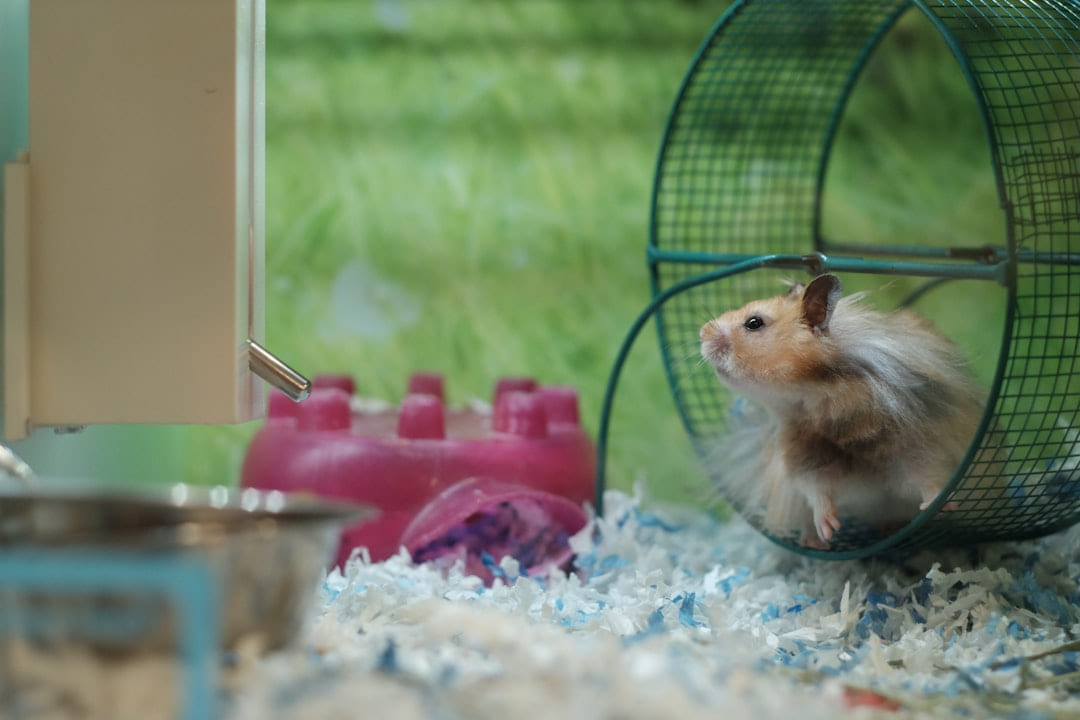
DIY Fun for Tiny Pets can be easier to approach when you start with a few practical basics. Bringing a new pet into your life is a wonderful experience, filled with cuddles, playtime, and endless joy. But it’s not just about providing food and shelter; it’s about stimulating their minds and bodies to ensure they’re happy, healthy, and well-adjusted. That’s where pet enrichment comes in. For small pets and beginner-friendly exotic animals - think hamsters, guinea pigs, rabbits, rats, gerbils, leopard geckos, crested geckos, and even some smaller birds - enrichment is absolutely crucial. Without it, they can become bored, stressed, and even develop behavioral problems. The good news? You don’t need to spend a fortune to create a stimulating environment. This guide will walk you through a fantastic DIY pet enrichment guide, packed with ideas and practical tips to keep your little critter entertained and engaged.
Why is Pet Enrichment Important? (DIY Fun for Tiny Pets)
Let’s start with the ‘why.’ Animals, just like us, need mental and physical stimulation. A bored pet is a destructive pet. They might chew furniture, excessively groom, hide, or even become aggressive. Enrichment combats these issues by providing opportunities for natural behaviors like foraging, exploring, problem-solving, and social interaction (where appropriate).
For small rodents (hamsters, rats, gerbils): These are naturally curious and active creatures. They instinctively forage for food, burrow, and explore. A lack of these opportunities can lead to lethargy and frustration.
For lagomorphs (rabbits): Rabbits are intelligent and enjoy puzzle-solving. Providing them with opportunities to dig, chew, and explore is essential for their well-being.
For reptiles (geckos): Reptiles, especially those kept in smaller enclosures, need a stimulating environment to prevent boredom and stress. They’re often ambush predators, so hiding spots and opportunities to stalk “prey” are vital.
DIY Enrichment Ideas - Level 1: Easy & Quick
These are simple projects you can do in minutes with items you likely already have at home.
- Cardboard Box City: Cardboard boxes are a rodent’s dream! Cut holes, create tunnels, and stack them to create a multi-level city. Add shredded paper or fabric scraps for bedding.
- Toilet Paper Roll Treat Dispensers: Fold in one end of a toilet paper roll, fill with a small treat or food, and fold in the other end. Your pet has to figure out how to get the food out!
- Paper Bag Maze: Fold a paper bag into a maze with multiple paths and hiding spots.
- Shredded Paper Hideaways: Simply create piles of shredded paper for your rabbit or lagomorph to burrow and explore.
- Simple Log/Branch Hideout: A natural log or sturdy branch provides a place for a gecko or lizard to hide and feel secure.
DIY Enrichment Ideas - Level 2: A Little More Effort
These projects require a bit more time and materials, but the payoff is a more engaging environment for your pet.
- Foraging Toys (Rodents): Hide food in various containers - plastic bottles with holes, coconut shells, or even crumpled paper. Make your pet work for their meal!
- Dig Box (Rabbits & Rodents): Fill a plastic tub or container with a layer of safe digging substrate (like coconut fiber or hay) and hide treats within.
- DIY Climbing Structures (Rabbits & Small Birds): Use sturdy cardboard tubes, wooden dowels, and branches to create a small climbing structure. Ensure it’s securely attached to the enclosure.
- Puzzle Feeders (Geckos & Rats): Create a simple puzzle feeder by placing food inside a plastic container with a small opening. Your pet will need to manipulate the container to access the food.
- “Bug Hunt” (Geckos & Lizards): Use crickets or mealworms (appropriate for your pet’s species) and hide them in various locations within the enclosure, encouraging hunting behavior.
DIY Enrichment Ideas - Level 3: Creative & Customizable
These projects require some crafting skills and may involve repurposing materials. Always prioritize your pet’s safety and well-being.
- Cardboard Tube Maze (Larger): Create a more elaborate maze using multiple cardboard tubes, connected with tape and creating a complex network of tunnels.
- DIY Hammock (Rabbits & Rodents): Sew a simple hammock from fleece or fabric and attach it to the enclosure.
- Hidden Treat Tubes (All Small Pets): Cut holes in a cardboard tube and insert treats, allowing your pet to pull them out. Vary the size and placement of the holes.
- Repurposed Bottle Maze (Rodents): Clean and dry plastic bottles and connect them with tape to create a maze. Add tubes and tunnels for extra complexity.
- DIY Gecko Cave System (Geckos): Use a variety of natural rocks, cork bark, and plastic containers to create a multi-level cave system, providing ample hiding spots.
Safety First! - Important Considerations
Before implementing any DIY enrichment, always prioritize your pet’s safety. Here are some crucial guidelines:
- Non-Toxic Materials: Use only non-toxic materials. Avoid paints, glues, and plastics that could leach harmful chemicals.
- Secure Construction: Ensure all structures are sturdy and won’t collapse on your pet.
- No Small Parts: Avoid using small parts that could be ingested and cause choking hazards.
- Regular Inspection: Regularly inspect all enrichment items for damage and replace them as needed.
- Species-Specific Needs: Research your pet’s specific needs and preferences before introducing any new enrichment items. What’s stimulating for one species might be stressful for another.
Beyond Toys: Environmental Enrichment
Don’t forget about the broader environment! Simply changing the layout of the enclosure, adding new substrates, or providing access to different textures can be incredibly enriching. Regularly rotate items to keep things interesting. Consider adding a shallow water dish for soaking and drinking (especially important for reptiles). And, most importantly, spend quality time interacting with your pet - playing, training, and simply providing affection.
Creating a stimulating and enriching environment for your small pet is an ongoing process. Experiment with different ideas, observe your pet’s behavior, and adjust accordingly. With a little creativity and effort, you can provide your little critter with a happy, healthy, and fulfilling life.
Keep This Practical
If this topic matters to your pet right now, keep the next step calm and practical. A small improvement in safety, enrichment, or routine often makes a bigger difference than buying more at once.
Tools Worth A Look
These picks are most helpful when they improve pet safety, comfort, enrichment, or day-to-day care without adding unnecessary complexity.
- ThinkPet No Pull Harness Breathable Sport Vest with Handle-Dog Harnesses Reflective Adjustable for Medium Large DogsAmeritex Waterproof Blanket Reversible Dog Bed Cover Pet Blanket for Furniture Bed Couch SofaChomChom Roller Detailer- Scraper for Pet Hair Remover and LintSmiry Dog Door Mat for Muddy Paws 30x20, Absorbs Moisture and Dirt Doormat, Non-Slip Washable Quick Dry Chenille Front Door Mat Indoor Entrance, Entryway CarpetChomChom Roller Pet Hair Remover – Original Size Reusable Lint Roller for Cat & Dog Hair on Furniture
Some of the links on this page are Amazon affiliate links, which means I may earn a small commission if you make a purchase through them. As an Amazon Associate, I earn from qualifying purchases.
Related ReadingMore from Little Critter Guide
DIY Pet Fun: Enrichment or Ready-Made?
Use diy pet fun: enrichment or ready-made? as a more grounded pet-care guide focused on safety, enrichment, and steady day-to-day routines.
DIY Pet Enrichment: Common Mistakes
Mistakes to Avoid I’ve seen it happen - a pet owner, brimming with good intentions, spends an afternoon crafting a fantastic-looking enrichment toy, only to f...
Small Pet Fun: DIY Enrichment Ideas
A clearer guide to small pet fun: diy enrichment ideas, built around pet comfort, behavior signals, and care choices that are easier to use in real life.