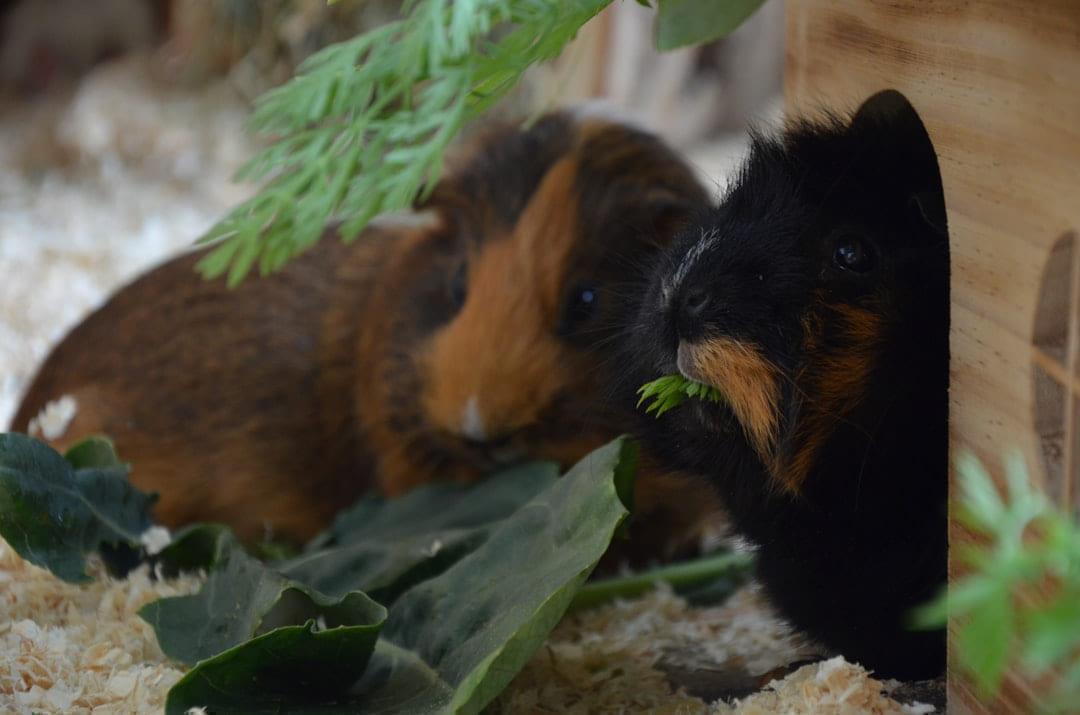
Why Enrichment Matters - It's More Than Just a Toy (Enrichment for)
Before we get to the “how,” let’s talk about the “why.” Pet enrichment isn't just about keeping your pet entertained; it’s fundamentally about meeting their natural needs. Think about it - in the wild, animals spend a huge amount of time exploring, foraging, problem-solving, and interacting with their environment. When we keep them confined to a cage or a small space, it’s crucial to provide opportunities to replicate those behaviors. Lack of enrichment can lead to:
- Boredom: This is the most obvious symptom. Boredom can manifest as destructive behaviors like chewing, excessive grooming, or vocalization.
- Stress & Anxiety: A stimulating environment can help reduce stress and anxiety, particularly in pets prone to these issues.
- Behavioral Problems: Unmet needs can contribute to unwanted behaviors like obsessive licking, digging, or pacing.
- Physical Stagnation: Lack of movement can lead to muscle weakness and weight gain.
Simple enrichment activities can drastically improve your pet’s quality of life, making them happier, healthier, and more well-adjusted.
DIY Enrichment Ideas - Easy Projects for Every Pet
Now for the fun part! Here are some DIY enrichment ideas, categorized by pet type and difficulty level. Remember to always prioritize your pet’s safety and supervise them during new activities.
For Small Mammals (Rabbits, Guinea Pigs, Hamsters, Rats)
These guys are masters of exploration, so offering them opportunities to forage and manipulate objects is key.
- Cardboard Box City: Cardboard boxes are a goldmine! Cut holes in them, stack them, create tunnels, and hide treats inside. Rabbits and rats especially love this.
- Foraging Toys: Scatter food around their enclosure instead of putting it all in a bowl. Use toilet paper rolls, paper towel rolls (cut in half), or small plastic containers to hide treats.
- DIY Puzzle Feeders: Hamsters and rats love a challenge. Use a muffin tin and cover each cup with a piece of cardboard with a hole cut in it. Place a small treat in each cup and let your pet figure out how to retrieve it.
- Dig Box: A shallow box filled with shredded paper, hay, or coconut coir provides a fantastic outlet for digging instincts.
For Birds
Birds need mental stimulation just as much as physical activity. They also love to investigate and manipulate things.
- Foraging Toys (Advanced): Create simple foraging toys by attaching treats to small twigs or pieces of yarn.
- Paper Bag Fun: Give your bird a plain paper bag (no handles!) to shred and explore. Supervise closely to prevent ingestion of large pieces.
- DIY Ladder/Ramp: Use cardboard tubes or wooden dowels to create a climbing structure.
- Mirror Play: Birds are often fascinated by their reflections. A small, shatterproof mirror can provide hours of entertainment (but monitor their reaction - some birds can become overly fixated).
For Reptiles (Bearded Dragons, Leopard Geckos, Snakes)
Reptile enrichment is often about creating a more naturalistic environment and providing opportunities for hunting and exploration.
- Rock & Log Forts: Create a miniature landscape with rocks, logs, and branches in their enclosure.
- Heat Gradient Enrichment: Utilize temperature gradients within the enclosure to mimic natural basking spots. Add a small, heated rock or pad.
- Hunting Simulation: Use tongs to offer live or frozen insects as a “hunt.” (Always ensure insects are appropriately sized and handled safely).
- DIY Hideaways: Cardboard boxes, coconut shells, or ceramic hides provide secure resting places.
For Small Fish
Fish may seem passive, but they still benefit from enrichment! It's all about creating a more stimulating environment.
- Floating Plants: Live or artificial plants provide hiding places and visual interest.
- Bubble Streams: Small, battery-operated bubble stones create a dynamic and engaging display.
- Change the Background: Occasionally, rearrange the background of the aquarium to provide a new perspective.
- Introduce New Decorations (Carefully): Add new rocks, driftwood, or caves, ensuring they are aquarium-safe.
Safety First - Important Considerations
Before implementing any DIY enrichment activity, it’s crucial to prioritize your pet’s safety. Here are some key guidelines:
- Non-Toxic Materials: Only use materials that are safe for your pet to ingest or come into contact with.
- No Small Parts: Avoid using small parts that could be swallowed and cause choking or intestinal blockage.
- Supervision is Key: Always supervise your pet during new activities, especially when introducing new toys or materials.
- Regular Inspection: Check DIY creations regularly for damage or wear and tear.
- Know Your Pet’s Limits: Pay attention to your pet’s behavior. If they seem stressed or overwhelmed, remove the enrichment item.
Expanding Your Enrichment - Beyond the Basics
Once you’ve mastered these simple DIY ideas, you can start to get more creative! Consider incorporating scent enrichment (using herbs or spices - always ensure they are safe for your pet), sound enrichment (playing calming music), and social enrichment (if appropriate for your pet’s species and personality). The key is to observe your pet’s behavior and tailor the enrichment to their individual preferences. Little Critter Guide is dedicated to helping you create a happy and fulfilling life for your small companion. Start small, experiment, and most importantly, have fun!
Start with what you will actually use
With Simple Enrichment for Small Pets, the first question is usually not which option looks best on paper. It is which part will make day-to-day life easier, smoother, or cheaper once the novelty wears off.
A lot of options sound great until you picture them in a normal week. If the setup is fussy, the routine is easy to forget, or the maintenance is annoying, the appeal fades quickly.
There is also value in keeping one part of the process deliberately simple. Readers often do better when they identify the one decision that carries the most weight and make that choice carefully before they chase smaller optimizations. That keeps momentum steady and usually prevents the topic from turning into clutter.
What tends to get overlooked
Tradeoffs are normal here. Cost, convenience, upkeep, and flexibility do not always line up neatly, so it helps to decide which tradeoff matters least to you before you commit.
This usually gets easier once you make a short list of priorities. A tighter list tends to produce better decisions than trying to solve every possible problem at once.
Another useful filter is asking what you would still recommend if the budget got tighter, the schedule got busier, or the setup had to be easier for someone else to manage. The answers to that question usually reveal which advice is durable and which advice only works under ideal conditions.
How to keep the setup simple
If you want Simple Enrichment for Small Pets to hold up over time, choose the version you can actually maintain. That can mean spending less, leaving out an attractive extra, or simplifying the setup so it fits ordinary life.
The version that holds up best is usually the one you can live with on an ordinary day. That often matters more than the version that only feels good when you have extra time, energy, or money.
That is why the best next step is often a modest one with a clear upside. You want something specific enough to act on, flexible enough to adjust, and practical enough that you would still recommend it after the first burst of enthusiasm fades.
Keep This Practical
If this topic matters to your pet right now, keep the next step calm and practical. A small improvement in safety, enrichment, or routine often makes a bigger difference than buying more at once.
Tools Worth A Look
These picks are most helpful when they improve pet safety, comfort, enrichment, or day-to-day care without adding unnecessary complexity.
- 6.2 Inch Extra Wide Elevated Ceramic Bowls Cats Small DogsFirst-Year Puppy Health Care: A How-To Health Care Guide to for the First Twelve Months of Your New Dogs LifeV2.0-180° Rotating Dog Bike Leash - with Shock Absorbers and Quick Attach MechanismThe Complete Guide to Rhodesian Ridgebacks: Breed Behavioral Characteristics, History, Training, Nutrition, and Health Care for Your new Ridgeback DogAmeritex Waterproof Blanket Reversible Dog Bed Cover Pet Blanket for Furniture Bed Couch Sofa
Some of the links on this page are Amazon affiliate links, which means I may earn a small commission if you make a purchase through them. As an Amazon Associate, I earn from qualifying purchases.
Related ReadingMore from Little Critter Guide
DIY Pet Fun: Enrichment or Ready-Made?
Use diy pet fun: enrichment or ready-made? as a more grounded pet-care guide focused on safety, enrichment, and steady day-to-day routines.
DIY Pet Enrichment: Common Mistakes
Mistakes to Avoid I’ve seen it happen - a pet owner, brimming with good intentions, spends an afternoon crafting a fantastic-looking enrichment toy, only to f...
Small Pet Fun: DIY Enrichment Ideas
A clearer guide to small pet fun: diy enrichment ideas, built around pet comfort, behavior signals, and care choices that are easier to use in real life.