DIY Pet Fun: Enrichment can be easier to approach when you start with a few practical basics.
|--------------------------|--------------------|---------------------------|-----------------------------------------| | Hamster Tunnel | $5 - $15 | $8 - $18 | DIY uses recycled materials | | Guinea Pig Foraging Box | $10 - $20 | $15 - $30 | DIY focuses on repurposing materials | | Gecko Climbing Setup | $15 - $30 | $25 - $50 | DIY uses natural materials | | Rat Puzzle Feeder | $3 - $10 | $10 - $25 | DIY is very simple and inexpensive | | Cardboard Box | $0 (recycled) | $5 - $15 | DIY utilizes existing resources | | Basic Puzzle Toy | $5 - $10 | $10 - $20 | | Factor in the time investment for DIY projects - that's a significant cost too! Building a tunnel takes an hour, while assembling a foraging box takes about half an hour.Safety First: Protecting Your Pet (DIY Pet Fun: Enrichment)
This is crucial. When building DIY enrichment items, prioritize your pet’s safety above all else. Always check for sharp edges, and sand them down if necessary. Avoid using toxic materials like treated wood or certain paints. Choking hazards are a serious concern, so make sure all pieces are securely attached and too large for your pet to swallow. Research safe materials for your specific pet species - for example, some woods aren't suitable for rabbits.
Tailoring Enrichment to Your Pet
What works for one pet might not work for another. A highly energetic rat will need more challenging puzzles than a laid-back hamster. A young rabbit might be overwhelmed by a complex multi-level habitat, while an older rabbit might prefer a simpler, more comfortable resting spot. Pay attention to your pet’s behavior and adjust the enrichment accordingly. Observe how they interact with different toys and environments, and remove anything that seems stressful or unsafe.
DIY Pet Enrichment vs. Commercial Toys: A Balancing Act
The world of small pet enrichment has exploded in recent years, with a dazzling array of commercially produced toys vying for our attention (and our wallets!). But before you reach for the latest gadget, it’s worth considering the value of DIY enrichment. While buying toys certainly offers convenience and a wide selection, crafting your own can be incredibly rewarding - both for your pet and for you. It's not necessarily about replacing commercial toys entirely, but rather about supplementing them with stimulating activities that cater specifically to your animal’s needs and personality. Let’s break down the pros and cons of each approach.
The Allure of DIY Enrichment
There’s a growing movement towards a more natural and mindful approach to pet ownership. DIY enrichment taps into this trend, allowing you to create stimulating environments using readily available materials. The benefits are numerous:
- Cost-Effective: Let’s be honest, pet supplies can add up quickly. DIY projects often cost significantly less than their commercial counterparts. A simple cardboard box can provide hours of entertainment for a hamster, while a foraging box for a guinea pig can be built for under $15.
- Personalized Enrichment: You have complete control over the materials and design, ensuring the enrichment is perfectly suited to your pet's preferences and abilities. Do your rats love shredding? Build them a cardboard castle! Does your gecko enjoy climbing? Create a naturalistic climbing structure.
- Bonding Opportunity: Building enrichment items can be a fun and engaging activity to do with your pet. Involving your furry friend in the process (safely, of course!) can strengthen your bond.
- Sustainability: Utilizing recycled materials reduces waste and aligns with environmentally conscious pet ownership.
Examples of DIY Enrichment Projects
Let’s delve a little deeper into some popular DIY enrichment ideas, with estimated costs and approximate build times:
- Hamster Tunnel: ($5 - $15) - These can be constructed from PVC pipes, cardboard tubes (from paper towels or wrapping paper), or even repurposed plastic containers. Adding multiple tunnels and connecting them creates a complex maze. A simple, sturdy tunnel can be built in 15-30 minutes.
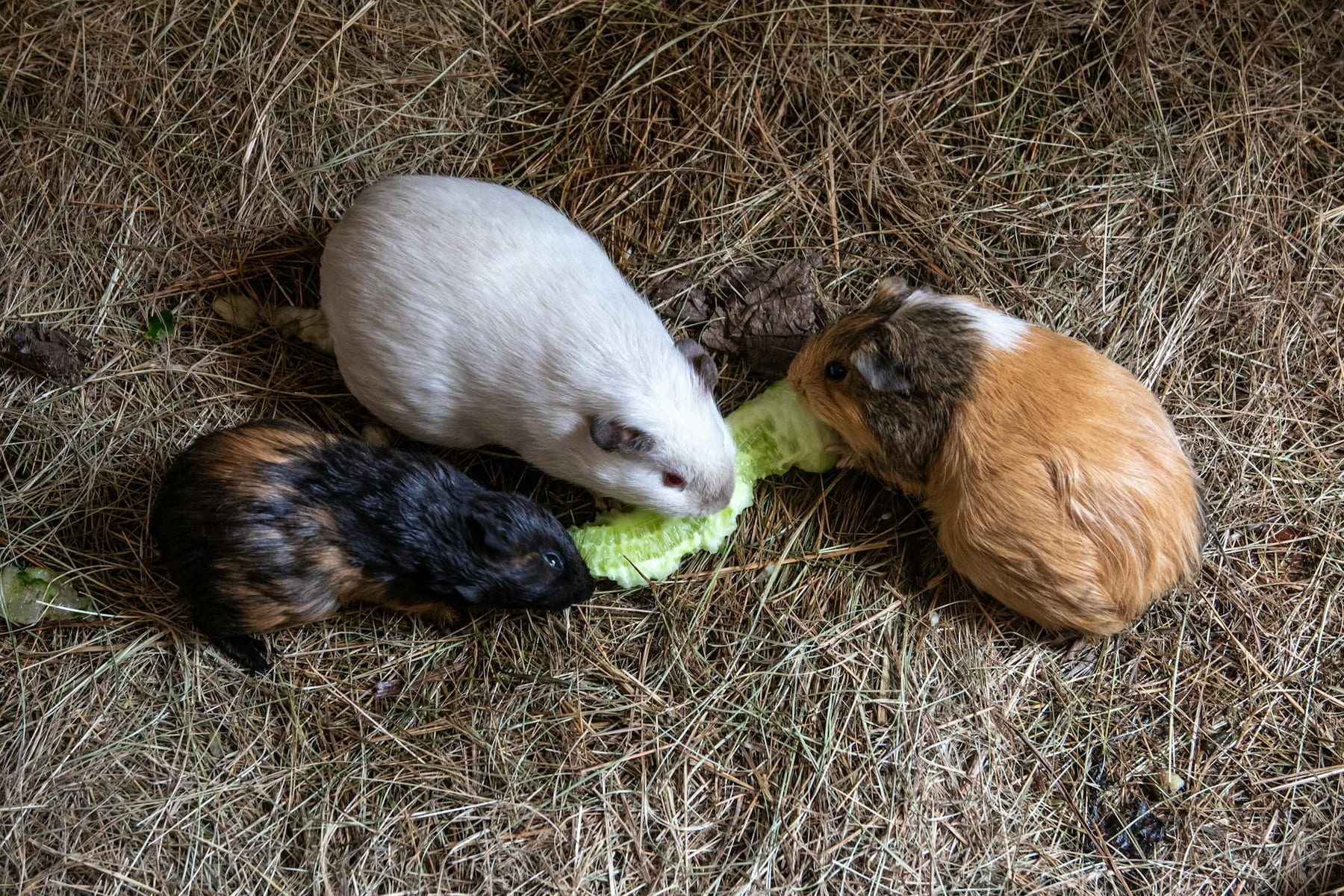
- Guinea Pig Foraging Box: ($10 - $20) - A simple box filled with hay, vegetables, and treats encourages natural foraging behaviors. You can repurpose a shoebox, plastic container, or even a sturdy cardboard box. Adding multiple hiding spots and varying the food placement keeps things interesting. Construction takes approximately 30-45 minutes.
- Gecko Climbing Setup: ($15 - $30) - Utilize branches, cork bark, and rocks to create a naturalistic climbing and basking area. Ensure all materials are pesticide-free and securely attached. A well-designed climbing structure can be assembled in 60-90 minutes.
- Rat Puzzle Feeder: ($3 - $10) - Hide treats inside cardboard tubes, toilet paper rolls, or even plastic bottles with holes punched in them. This encourages rats to use their problem-solving skills to access the rewards. These are incredibly simple and can be built in 5-10 minutes.
- Cardboard Box: ($0 - $15) - A classic for a reason! Cardboard boxes provide endless opportunities for exploration, hiding, and shredding. Stacking boxes, creating tunnels, and adding cut-out windows transforms a simple box into a multi-level playground. This is essentially free, relying entirely on recycled materials.
- Basic Puzzle Toy: ($5 - $10) - Create a simple puzzle by attaching treats to a small, rotating disc or using a muffin tin with treats hidden underneath. These can be made from cardboard, plastic lids, or even repurposed toys. Building time: 20-30 minutes.
Beyond the Basics: Expanding Your DIY Horizons
Once you’ve mastered the basics, you can explore more complex DIY projects:
- Dig Boxes: Provide a container filled with substrate (like coconut coir or soil) for digging and burrowing - perfect for rabbits and guinea pigs.
- Sensory Bottles: Fill clear plastic bottles with pebbles, beans, or colorful materials to create a stimulating sensory experience.
- DIY Catnip Toys: Sew small pouches filled with catnip for your feline friend. (Note: This is for cats, but the principles apply to other small pets too!)
Safety First: Protecting Your Pet
This is crucial. When building DIY enrichment items, prioritize your pet’s safety above all else. Always check for sharp edges, and sand them down if necessary. Avoid using toxic materials like treated wood or certain paints. Choking hazards are a serious concern, so make sure all pieces are securely attached and too large for your pet to swallow. Research safe materials for your specific pet species - for example, some woods aren't suitable for rabbits. Consider the size and strength of your pet when designing your enrichment items. What might be a safe challenge for a small hamster could be overwhelming for a larger rat.
Tailoring Enrichment to Your Pet
What works for one pet might not work for another. A highly energetic rat will need more challenging puzzles than a laid-back hamster. A young rabbit might be overwhelmed by a complex multi-level habitat, while an older rabbit might prefer a simpler, more comfortable resting spot. Pay attention to your pet’s behavior and adjust the enrichment accordingly. Observe how they interact with different toys and environments, and remove anything that seems stressful or unsafe. Introduce new enrichment items gradually and observe your pet’s reaction. Start with simple items and slowly increase the complexity as your pet becomes more comfortable.
Maintenance and Rotation
DIY enrichment doesn't have to be a one-time project. Regularly rotate toys and activities to keep your pet engaged and prevent boredom. Clean and sanitize DIY items regularly to maintain hygiene. A little bit of maintenance goes a long way in ensuring your pet continues to enjoy their enrichment.
Keep This Practical
If this topic matters to your pet right now, keep the next step calm and practical. A small improvement in safety, enrichment, or routine often makes a bigger difference than buying more at once.