New Pet? Starting Right can be easier to approach when you start with a few practical basics. April 04, 2026
Bringing a small pet or exotic creature into your life can be an incredibly rewarding experience. The quiet companionship, unique personalities, and fascinating behaviors of these little friends can bring immense joy. However, it’s crucial to understand that pet ownership is a serious responsibility. This guide is designed to equip first-time pet owners with the essential knowledge and best practices needed to provide a happy, healthy, and fulfilling life for your new companion. Let’s dive in!
Choosing the Right Little Friend (New Pet? Starting Right)
The first, and arguably most important, step is selecting a pet that genuinely fits your lifestyle and experience level. Not all small pets are created equal. Some require extensive knowledge, specialized care, and significant time commitment. A leopard gecko, for instance, is a popular choice for beginners due to its relatively low-maintenance needs, but even they benefit from a thoughtfully designed habitat. Similarly, sugar gliders, while undeniably adorable, are incredibly social and demanding pets that require a dedicated owner who can provide constant interaction and enrichment. Before rushing out to adopt, take a deep breath and honestly assess what you can realistically offer.
Geckos: A Beginner-Friendly Start
Geckos, particularly leopard geckos, are often recommended for first-time reptile owners. A 20-gallon long terrarium is a common starting point, though bigger is always better - a 30-gallon or 40-gallon tank provides more space for movement and enrichment. Creating a proper gradient is vital. One side of the terrarium should be kept warm, typically using an under-tank heater, while the other side remains cooler. This allows the gecko to thermoregulate, which is essential for their health. A sturdy hide is a must - they need a safe place to retreat and feel secure. A shallow water dish, always kept clean, is crucial for hydration. Finally, a basking spot, created with a heat lamp and a thermometer, provides the necessary warmth for digestion and activity. Consider adding substrate like reptile carpet or paper towels for easy cleaning. Regular misting will help maintain humidity levels, which are critical for leopard gecko health.
Sugar Gliders: A Social Butterfly's Challenge
Sugar gliders are undeniably captivating, with their gliding abilities and playful personalities. However, they are not pets for the faint of heart. They are highly social animals and must be kept in pairs or small groups. A cage of at least 24” x 24” x 36” is the absolute minimum, and larger is always preferable. This cage needs to be completely wire-barred with no gaps, as sugar gliders are escape artists! Providing plenty of climbing branches, ropes, and toys is essential to keep them entertained. They also require a specialized diet consisting of fruits, vegetables, protein sources, and a calcium supplement. Remember, a single sugar glider is a recipe for loneliness and behavioral problems. They thrive on interaction and require several hours of out-of-cage time each day.
Nutrition: Fueling Your Little Friend
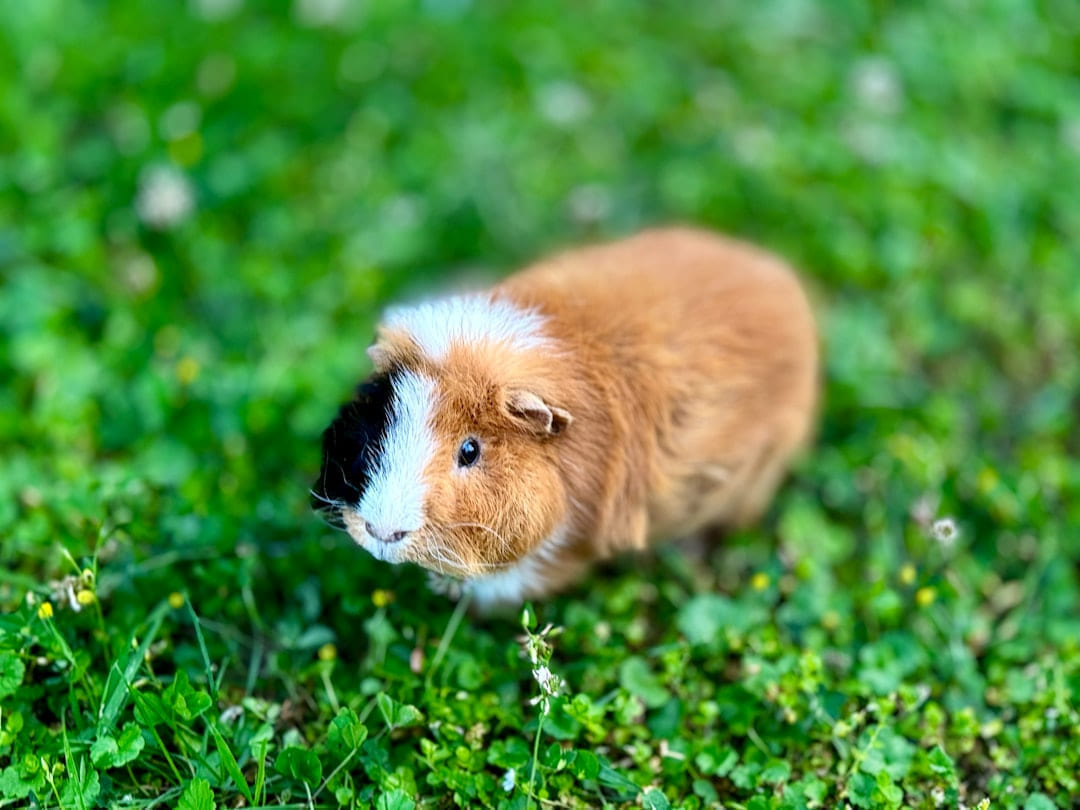
A healthy diet is the cornerstone of a long and happy life for your pet. It’s far more than simply filling a bowl; it’s about providing the right nutrients to support their growth, activity levels, and overall well-being. Commercially prepared food formulated specifically for the species is almost always the best choice - it ensures they receive a balanced blend of vitamins, minerals, and proteins. Don’t be tempted to feed them human food, even seemingly healthy options. Many fruits and vegetables are toxic to pets, and even small amounts can cause serious illness. For example, grapes and raisins are highly poisonous to dogs and cats. Feeding schedules vary significantly depending on the species. Hamsters and guinea pigs typically need small meals several times a day, while rabbits often do better with a larger daily portion. Always provide fresh, clean water - a water bottle and a shallow dish are a good combination, ensuring the bottle is regularly cleaned to prevent bacterial growth.
Veterinary Care & Ongoing Health
Finding a veterinarian experienced with your specific pet is absolutely paramount. Don’t wait until your pet is visibly sick to start looking for a qualified professional. An initial check-up is crucial to assess their overall health, screen for parasites (internal and external), and establish a baseline for their normal behavior and appearance. Vaccinations and preventative care, such as regular deworming and flea/tick control, are also incredibly important, particularly for outdoor pets. Be observant! Subtle changes in appetite, lethargy, unusual behavior (such as excessive hiding), or changes in droppings can be early indicators of illness. Early detection is key to successful treatment and can significantly improve your pet’s prognosis. Building a strong, trusting relationship with your vet will make it easier to address any health concerns promptly and confidently. Consider researching vets specializing in exotic animals in your area before bringing your pet home.
Enrichment & Keeping Your Pet Engaged
A bored pet is an unhappy pet, and a stressed pet is more prone to health problems. Just like us, animals need mental and physical stimulation to thrive. For small pets, this might involve providing a variety of toys - chew toys, puzzle toys, climbing structures - and giving them opportunities to explore their surroundings. Rabbits need regular exercise outside of their cage, ideally in a safe, enclosed area where they can hop and run. Guinea pigs enjoy foraging activities, such as hiding food around their enclosure, and geckos need opportunities to hunt and explore, mimicking their natural behaviors. Sugar gliders especially need a lot of interaction - they thrive on being part of a family and benefit greatly from playtime, training, and social interaction. Rotate toys regularly to keep things interesting and prevent boredom.
Creating a Safe and Comfortable Habitat
Beyond the basics of temperature and food, creating a truly safe and comfortable habitat is crucial. This includes ensuring the enclosure is free of hazards like exposed electrical cords, sharp edges, and toxic plants. Secure lids are essential to prevent escapes. Substrate choice is also important - consider the needs of your specific pet. For reptiles, paper towels or reptile carpet are easy to clean, while rabbits and guinea pigs benefit from bedding that provides cushioning and absorbs moisture. Regularly clean and disinfect the enclosure to prevent the buildup of bacteria and parasites. Consider adding natural elements like branches or plants (non-toxic, of course!) to create a more stimulating environment.
Conclusion
Bringing a small pet or exotic creature into your life is a wonderful and enriching experience, filled with unique joys and challenges. But it’s a responsibility that demands careful preparation, ongoing dedication, and a genuine commitment to your pet’s well-being. By focusing on these best practices - choosing the right pet, setting up a safe and stimulating home, providing proper nutrition, ensuring they have plenty of enrichment, and prioritizing regular veterinary care - you’ll be well on your way to building a strong, loving, and rewarding relationship with your new companion. Keep learning, stay informed, and enjoy the incredible journey of pet ownership!
Keep This Practical
Good pet decisions tend to be simple, observant, and consistent. Focus on one change that improves your animal's environment or routine, then watch how they respond before adding more.
Tools Worth A Look
The products here make the most sense when they support calmer, safer, or more enjoyable care for the animal in front of you.
- The Exotic Shorthair Cat: Everything About Acquisition, Care, Nutrition, Behavior, Health Care, and BreedingCuddlissimo! Pet Sling Carrier - Small Dog Puppy Cat Carrying Bag Purse PouchQuick & Easy Homemade Dog Food Recipes: Nutritionally Balanced, Allergy-Friendly Dog Food Recipes-Debunk Myths, Save Money, and Empower YourselfMighty Paw Hands Free Dog LeashPetsPros’ Exotic Pet Care for Beginners: Learn Everything about Your Companion from Nutrition to Reproduction (PetsPros Simple Pet Care Guides Book 9)
Some of the links on this page are Amazon affiliate links, which means I may earn a small commission if you make a purchase through them. As an Amazon Associate, I earn from qualifying purchases.
Related ReadingMore from Little Critter Guide
Tiny Pets: Your Beginner’s FAQ
and Beginner-Friendly Exotic Pets Guide FAQ Tiny Pets: Your Beginner can be easier to approach when you start with a few practical basics. Bringing a little.
Small Pets: Your Checklist Starts Here
can be easier to approach when you start with a few practical basics. * Substrate: This is the bedding - it needs to be safe, absorbent, and appropriate for your.
Small Pets & New Adventures: Budget Ideas
and Beginner-Friendly Exotic Pets - A Budget-Friendly Guide Bringing a new pet into your life is a wonderful experience, filled with companionsh...