Small Pets and Beginner-Friendly Exotic Pets Guide FAQ Tiny Pets: Your Beginner can be easier to approach when you start with a few practical basics. Bringing a little creature...
Bringing Little Creature Life Can Be
Bringing a little creature into your life can be a truly wonderful thing. There’s a special joy in caring for a companion, and lately, we’ve seen a growing interest in smaller pets - and some really fascinating exotic options - that are surprisingly manageable for those just starting out. Let’s be honest, a Great Dane is a big responsibility, but a crested gecko or a plump guinea pig? They offer a similar dose of happiness with a much smaller footprint. this post is designed to give you a solid foundation - a practical, step-by-step approach - to responsible pet ownership, focusing on animals that are generally considered good choices for first-time exotic pet owners. We’re talking about animals that, with a little research and consistent care, can thrive in a comfortable home.
Research - Starting Point (tiny Pets
Before you even think about bringing a new animal home, the most crucial step is research. Seriously. It’s not glamorous, and you shouldn’t rush this part. Many people get caught up in the excitement of adorable pictures and forget to look beyond the surface. Informed decisions are absolutely critical to your pet’s well-being, and frankly, your own peace of mind. Where do you find this information? There are tons of resources out there, but not all of them are created equal. Reputable breeders are a good place to start, but it’s important to be extremely cautious. Look for breeders who prioritize the health and temperament of their animals, offer health guarantees, and are open about their breeding practices. Online communities - forums and Facebook groups dedicated to specific species - can be incredibly valuable for getting advice from experienced owners. Just remember to be discerning; not all advice is reliable. Websites like ReptileForum.com (for reptiles) and GuineaPigForum.com are generally well-moderated and offer a wealth of information. Your local exotic animal rescue or shelter is also a fantastic resource - they often have a wealth of knowledge about the animals in their care. But the most important thing is to research each species individually. A leopard gecko’s needs are very different from a sugar glider’s, and a crested gecko’s requirements are completely different from a dwarf hamster’s. Don’t assume that because one small animal is easy to care for, all small animals are. Red flags to watch out for include breeders who won’t let you see the animals’ living conditions, those who don’t provide health records, or those who seem overly eager to sell you an animal without fully explaining its needs. Ethical breeding and responsible sourcing are absolutely key.
Setting Up a Happy Home
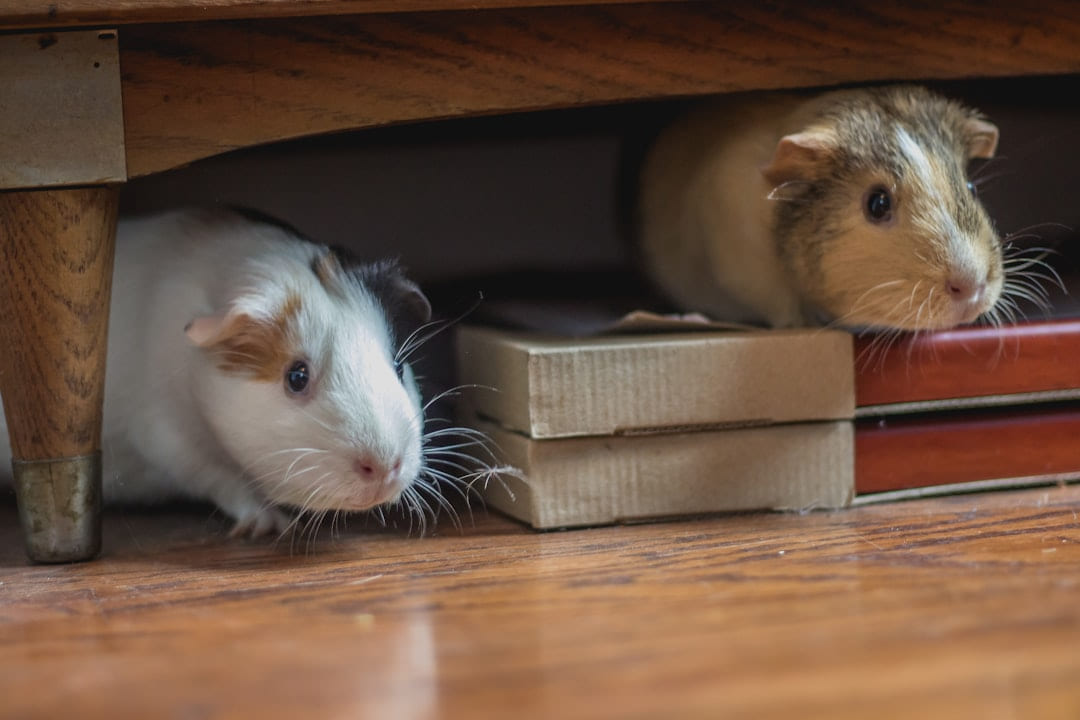
Once you’ve chosen your pet, it’s time to create a suitable habitat. This isn’t just about buying a cage or a terrarium; it’s about building an environment that meets your animal’s specific physical and behavioral needs. Size matters enormously - a cramped enclosure will lead to stress and health problems. Let’s take a look at two common examples. For guinea pigs, a minimum cage size of 7.5 square feet is recommended for two pigs. A wire cage with a solid bottom is a good option, but be sure to cover the wire with fleece or other soft bedding. Avoid cedar or pine shavings, as the oils can be harmful to their respiratory systems. Hideaways - little houses or tunnels - are essential for providing a sense of security. And don’t forget enrichment! A cardboard box, a chew toy, or even a simple mirror can help prevent boredom. Leopard geckos, on the other hand, require a more complex setup. You’ll need a terrarium with a temperature gradient - one warm side (around 88-92°F) and one cool side (around 75-80°F) - achieved with a heat mat placed on one side of the tank and a ceramic heat emitter on the other. Proper UVB lighting is also crucial for their vitamin D3 synthesis and calcium absorption. A secure hide is a must, as is a water dish - they don’t always drink from standing water, so a shallow dish with pebbles to climb on can encourage them to drink. Substrate options include reptile carpet or paper towels (for beginners), but bioactive setups with live plants and beneficial bacteria are a more natural and engaging option for experienced keepers.
Daily Care - Meeting Their Needs
Beyond the initial setup, consistent daily care is essential. Diet is hugely important. Guinea pigs need a high-fiber diet consisting of fresh vegetables, Timothy hay, and a small amount of high-quality pellets. Leopard geckos are insectivores, so they need a regular supply of appropriately sized feeder insects - crickets, mealworms, and dubia roaches are all good options. Avoid feeding them fruits and vegetables, as these can cause digestive upset. Cleaning schedules are also vital. Guinea pigs require daily spot cleaning and a full cage clean once a week. Leopard geckos need their enclosure spot cleaned daily and a full substrate change every 2-4 weeks, depending on the size of the enclosure and the humidity levels. Socialization and enrichment are just as important as food and water. Guinea pigs are social animals and thrive on interaction - spend time talking to them, handling them gently, and providing opportunities for exploration. Leopard geckos enjoy exploring their surroundings and need opportunities to hunt and forage.
What To Do Next
Use the ideas above to choose one clear next move, test it in your own situation, and keep refining from there. That approach tends to produce better long-term decisions than trying to solve everything at once.
Keep This Practical
Good pet decisions tend to be simple, observant, and consistent. Focus on one change that improves your animal's environment or routine, then watch how they respond before adding more.