If you are sorting through Little Critter Guide: Your Starter Pack for Small Pets and Beginner-Friendly Exotic Pets, start by matching the advice to the problem you are actually trying to solve.
Bringing a new animal companion into your home is a big decision, and it’s one you shouldn’t take lightly. While the thought of a tiny, adorable creature brightening your days is undeniably appealing, the reality of pet ownership - especially when it comes to small pets and beginner-friendly exotic pets - requires careful consideration and a significant investment of time, energy, and resources. This guide is designed to be your starting point, offering a realistic overview of what’s involved and pointing you towards valuable resources to help you make an informed choice. We’re talking about creatures that can thrive with the right care, but that also demand a level of dedication that goes beyond simply providing food and water. Let’s dive in.
Why Choose a Small Pet or Beginner-Friendly Exotic Pet?
The appeal of these animals is understandable. They often require less space than larger pets, making them ideal for apartment living. Many are relatively low-maintenance in terms of exercise and grooming. And, let’s be honest, the novelty of owning a sugar glider or a crested gecko can be a huge draw for first-time pet owners. However, "beginner-friendly" is a relative term. What’s manageable for one person might be overwhelming for another. It’s crucial to recognize that all animals, regardless of their perceived simplicity, have specific needs that must be met to ensure their well-being.
Understanding the Spectrum of “Beginner-Friendly”
Let’s be clear: there's a significant difference between a goldfish and a bearded dragon. While a goldfish might seem like the epitome of low-maintenance, they still require a properly cycled aquarium, regular water changes, and a specific diet. Similarly, a bearded dragon, while needing more specialized care than a goldfish, is generally considered more manageable than, say, a poison dart frog or a serval cat.
Here's a breakdown of some popular choices, categorized by their level of commitment:
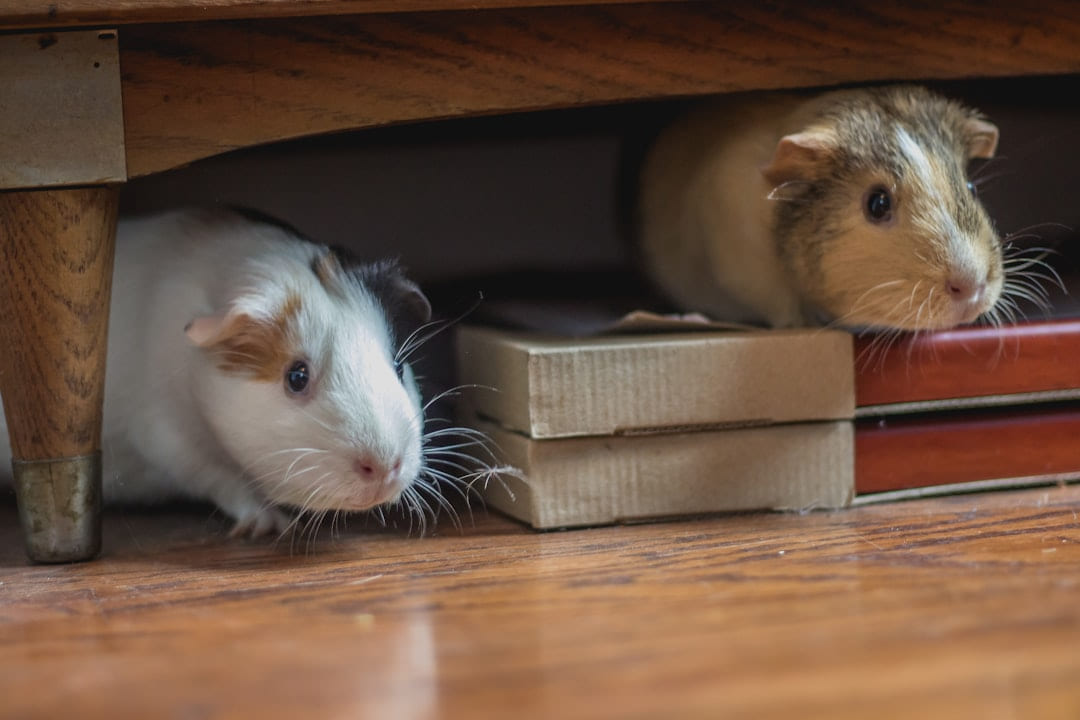
- Low Commitment (Relatively): Hamsters, gerbils, guinea pigs, rats, mice, rabbits (with proper socialization and care). These animals are generally nocturnal, relatively clean, and don’t require extensive outdoor time.
- Medium Commitment: Leopard geckos, crested geckos, corn snakes, ball pythons, sugar gliders, rats (with more involved care). These reptiles and small mammals require specific temperature and humidity levels, specialized diets, and regular enclosure cleaning.
- Higher Commitment (Requires More Research & Expertise): Bearded dragons, tortoises, chinchillas, degus, ferrets. These animals have more complex dietary needs, require larger enclosures, and often need more frequent veterinary attention.
Essential Preparations - Before You Bring Your Critter Home
Before you even bring your chosen pet home, you need to do your homework. This isn’t just about buying a cage and a bag of food. It’s about understanding the entire ecosystem your pet will need to thrive.
- Research, Research, Research: Spend weeks, if not months, researching your chosen animal’s specific needs. Don’t rely solely on pet store advice - reputable online resources and experienced keepers are invaluable.
- Habitat Setup: Create a suitable habitat *before* your pet arrives. This includes the enclosure itself, substrate, heating, lighting, humidity control, and hiding places.
- Dietary Planning: Understand exactly what your pet needs to eat, where to source it, and how often to feed them. Don't assume a generic "pet food" will suffice.
- Financial Planning: Factor in the ongoing costs of food, bedding, veterinary care, enrichment items, and potential emergencies. Exotic pets can be surprisingly expensive.
- Legal Considerations: Check your local ordinances and homeowner’s association rules to ensure that owning your chosen pet is permitted. Some species may require permits or licenses.
Resources to Help You Succeed
Navigating the world of small pets and exotic pets can be daunting. Thankfully, there are numerous resources available to support you:
- Exotic Pet Rescues: Don't overlook the possibility of adopting a rescued animal! Many organizations specialize in rehoming small pets and exotic creatures. This is a fantastic way to give a deserving animal a second chance.
- Recommended Rescues: (This is a starting point - research local organizations!)
- Happy Tails Animal Rescue:
- Local Reptile and Amphibian Rescue Organizations: Search online for organizations in your area.
- Veterinary Associations: Finding a veterinarian experienced with exotic animals is critical. General practice vets often lack the specialized knowledge needed to properly diagnose and treat these creatures.
- American Association of Reptile and Amphibian Veterinarians (AARA):
- Association of Exotic Mammal Veterinarians (AEMV):
- Online Forums and Communities: Connecting with other owners can provide invaluable support and advice.
- Reddit: Subreddits like r/geckos, r/beardeddragon, and r/hamsters offer active communities.
- Facebook Groups: Search for groups dedicated to your specific pet species.
- ExoticPet.com: - A comprehensive resource with articles, forums, and a directory of breeders and suppliers.
The Importance of Enrichment
Often overlooked, enrichment is absolutely vital for the well-being of small pets and exotic pets. Simply providing a cage and food isn't enough. These animals need mental and physical stimulation to prevent boredom, stress, and behavioral problems.
- For Reptiles: Provide varied basking spots, climbing opportunities, and hides. Offer different types of food (e.g., insects, frozen rodents) to encourage natural foraging behaviors.
- For Small Mammals: Offer chew toys, tunnels, puzzle feeders, and opportunities for social interaction (if appropriate for the species).
- For Birds: Provide perches of varying sizes and textures, foraging toys, and opportunities for flight (if possible).
Long-Term Commitment: Are You Ready?
Owning a small pet or beginner-friendly exotic pet is a long-term commitment. These animals can live for many years, and their needs will change over time. Be honest with yourself about your ability to provide for them throughout their entire lifespan. Consider factors like your lifestyle, financial stability, and willingness to adapt to changing circumstances. It’s far better to wait until you’re truly ready than to bring an animal home and be unable to provide for its needs.
Conclusion
Bringing a small pet or beginner-friendly exotic pet for beginners into your life can be an incredibly rewarding experience. But it’s not something to be taken lightly. Thorough research, a commitment to providing the best possible care, and a genuine understanding of the animal’s needs are essential for a happy and healthy companion. Don’t rush into it - take the time to learn, prepare, and ensure you’re ready for the long-term responsibility. By approaching this decision with careful consideration and utilizing the resources outlined in this guide, you can increase your chances of building a lasting and fulfilling relationship with your new furry, scaly, or feathered friend.
Keep This Practical
The most helpful pet-care changes are usually the ones your animal can feel right away: more comfort, clearer routines, and less daily stress. Start there and build steadily.
Tools Worth A Look
If you want a practical next step for your pet's routine or setup, the recommendations below are the best fit.
- Puppy Starter Kit – 5pc Dog Toy Gift Set for Small Dogs – Blanket, Squeaky Plush, Teething Ring, Treat Ball – New Puppy Essentials Gift BoxMobile Dog Gear, Week Away Dog Travel Bag for Small Dogs, Includes Lined Food Carriers and 2 Collapsible Dog BowlCan I Keep It? Small Pets Guide: 39 Cool, Easy-to-Care-for Insects, Reptiles, Mammals, Amphibians, and MoreFurhaven Portable Pet Playpen for Dogs and Cats, Extra Large Indoor Kitten Playpen with Mesh Sides, Foldable Dog Playpen for Small Dogs, Pop Up Travel Dog PenThe Complete Guide to Bearded Dragon Care and Ownership
Some of the links on this page are Amazon affiliate links, which means I may earn a small commission if you make a purchase through them. As an Amazon Associate, I earn from qualifying purchases.
Related ReadingMore from Little Critter Guide
Tiny Pets: Your Beginner’s FAQ
and Beginner-Friendly Exotic Pets Guide FAQ Tiny Pets: Your Beginner can be easier to approach when you start with a few practical basics. Bringing a little.
Small Pets: Your Checklist Starts Here
can be easier to approach when you start with a few practical basics. * Substrate: This is the bedding - it needs to be safe, absorbent, and appropriate for your.
Small Pets & New Adventures: Budget Ideas
and Beginner-Friendly Exotic Pets - A Budget-Friendly Guide Bringing a new pet into your life is a wonderful experience, filled with companionsh...