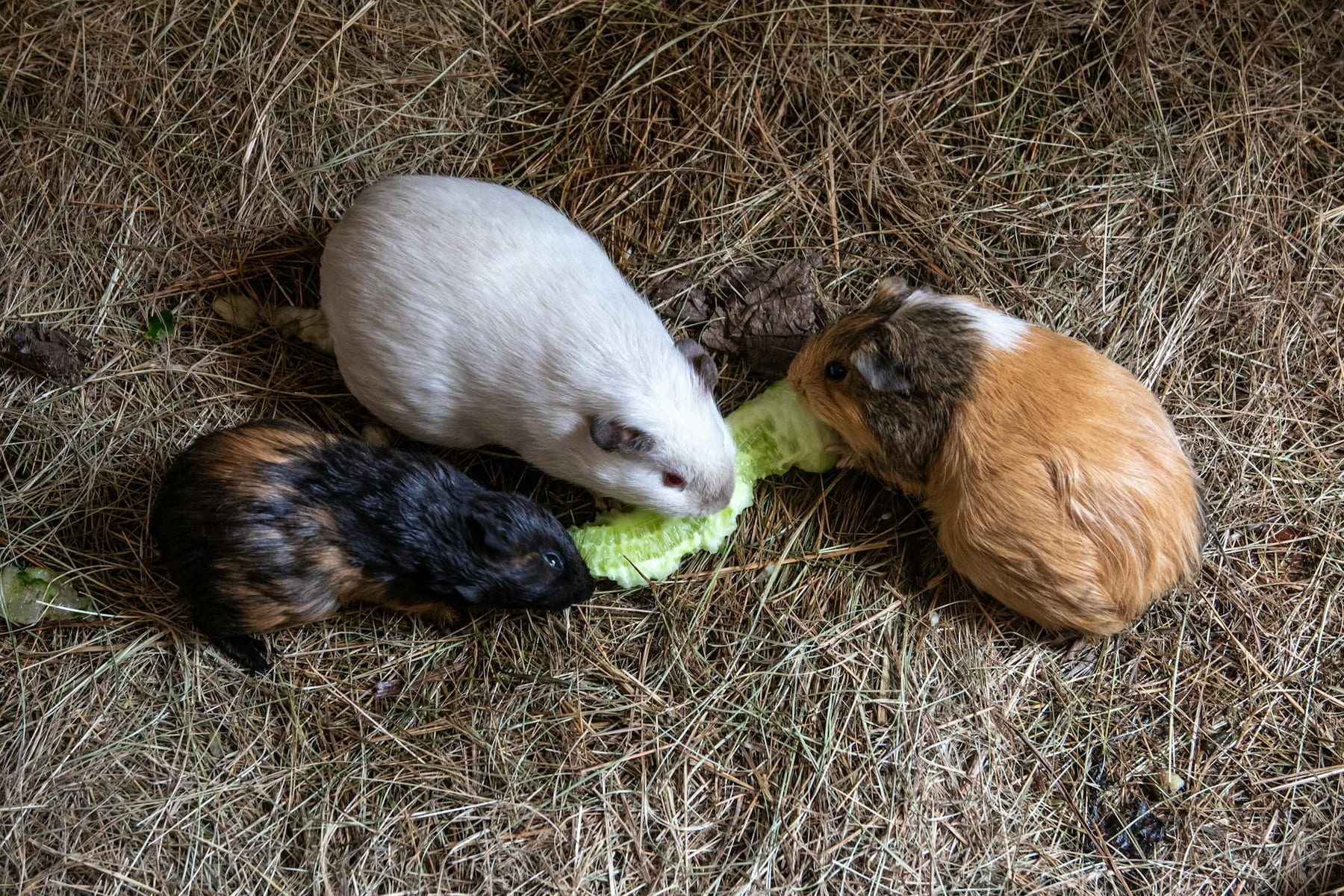
Let’s be honest, as much as we adore our little critters - be it a fluffy dwarf hamster, a vibrant crested gecko, a curious leopard gecko, or a busy bett, - sometimes life gets busy. We settle into routines, and it’s easy to let their environments become a little… predictable. But a stimulating environment isn’t just about providing food and water; it’s absolutely crucial for their physical and mental well-being. A bored critter is a stressed critter, and a stressed critter can lead to a whole host of behavioral issues, from excessive grooming to destructive chewing.
Reiterating, creating a more stimulating environment for your little critter is an investment in their overall well-being. Don’t be afraid to experiment - observe your pet's behavior and see what they enjoy most. Start creating a more stimulating environment for your little critter today!
Why Enrichment Matters - More Than Just a Toy
Think about it like this: we, as humans, need mental and physical challenges to thrive. A monotonous day can lead to feelings of restlessness and dissatisfaction. Our pets are no different. Enrichment provides them with opportunities to engage their natural instincts, reduce boredom, and prevent behavioral problems. It’s not just about giving them a shiny new toy; it’s about providing a complex and engaging experience that mimics their natural environment.
Different species have different needs. A hamster needs tunnels and climbing opportunities, a gecko needs vertical space and hiding places, and a bett needs a varied substrate and things to explore. Understanding your pet’s species-specific behaviors is the first step in creating a truly enriching environment.
DIY Enrichment: It’s Easier Than You Think!
The best part about pet enrichment is that it doesn’t have to be expensive or complicated. In fact, many of the most engaging activities are incredibly simple and utilize materials you likely already have around the house. Let’s dive into some practical DIY ideas, broken down by pet type:
For Hamsters & Other Small Rodents:
- Cardboard Castles: Hamsters *love* chewing and burrowing. Save your cardboard boxes and create a multi-level castle with tunnels, ramps, and hiding spots. Cut holes for access and let your hamster explore. Reinforce with tape if needed, but remember, they'll likely chew through it anyway - that’s part of the fun!
- Paper Bag Maze: A simple paper bag, folded and cut to create tunnels and chambers, provides hours of entertainment. Ensure the bag is clean and free of staples or tape.
- Foraging Toys: Instead of just putting food in a bowl, hide it! Scatter food pellets in a small container with holes, or bury them in a substrate like shredded paper. This taps into their natural foraging instincts. You can even freeze some food for an extra challenge.
- DIY Climbing Structures: Use toilet paper rolls, cardboard tubes, and small wooden dowels to create a mini-obstacle course. Secure them to a stable surface.
For Leopard Geckos & Crested Geckos:
- Vertical Terrarium Walls: Geckos are climbers! Create vertical walls using cork bark, driftwood, or even sturdy egg cartons covered in paper. This provides climbing opportunities and increases their territory.
- Live Plants (Safe Varieties): Introduce safe, non-toxic plants like pothos or spider plants. They offer visual interest, climbing opportunities, and a natural element to their enclosure. *Always* research plant safety before introducing them to your gecko’s habitat.
- DIY Hideaways: Geckos need secure hiding places. Create a cozy hideout from a small, sturdy box or a half-log. Line it with soft substrate like sphagnum moss.
- Water Feature (Small & Safe): A shallow dish of water with pebbles or rocks for them to climb on encourages drinking and provides a stimulating sensory experience.
For Bettas (Siamese Fighting Fish):
- Floating Plants: Floating plants like duckweed or water lettuce provide cover, visual interest, and a natural environment.
- Cardboard Tube Castle: Similar to hamster enrichment, a simple cardboard tube castle offers a place to hide and explore.
- Bubble Nest Building: Bettas are natural bubble builders. Provide them with materials like aquarium silk or small pieces of foam to create their own nests.
- Live Food (Occasionally): Offering live food like bloodworms or daphnia can stimulate their hunting instincts.
General Enrichment Ideas (Applicable to Many Small Pets):
- Rotation of Toys: Don’t leave all your pet’s toys out all the time. Rotate them every few days to keep things interesting.
- New Scents: Introduce new scents to their environment - a small piece of wood, a sprig of herbs (ensure they’re safe!), or even a clean cotton ball with a mild fragrance.
- Puzzle Feeders: These devices require your pet to work for their food, stimulating their problem-solving skills. You can even DIY a simple puzzle feeder using a plastic bottle and some holes.
- Sensory Exploration: Offer different textures - a smooth stone, a rough piece of bark, a soft blanket.
Important Safety Considerations
Before implementing any DIY enrichment idea, prioritize your pet's safety.
- Non-Toxic Materials: Always use non-toxic materials. Avoid anything that could be harmful if ingested.
- Secure Construction: Ensure all structures are stable and won't collapse on your pet.
- Regular Inspection: Regularly inspect your pet’s enrichment items for damage or hazards.
- Supervision: Always supervise your pet when they are interacting with new enrichment items, especially during the initial introduction.
Beyond the Basics: Observing and Adapting
The key to successful pet enrichment is observation. Pay close attention to your pet’s behavior. What do they gravitate towards? What activities do they seem to enjoy the most? Don't be afraid to adjust your enrichment strategy based on their individual preferences. What excites one critter might bore another.
Creating a stimulating environment is an ongoing process. Keep experimenting, keep observing, and keep your little critter happy and engaged!
Pick the easiest win first
Most people get better results with Small Pet Fun: DIY Enrichment Ideas when they narrow the decision to one real problem. That could be saving time, trimming cost, reducing friction, or making the routine easier to keep up.
This usually gets easier once you make a short list of priorities. A tighter list tends to produce better decisions than trying to solve every possible problem at once.
Another useful filter is asking what you would still recommend if the budget got tighter, the schedule got busier, or the setup had to be easier for someone else to manage. The answers to that question usually reveal which advice is durable and which advice only works under ideal conditions.
The tradeoff most people notice late
One common mistake with Small Pet Fun: DIY Enrichment Ideas is expecting every option to solve the whole problem. In reality, some choices are better for convenience, some for reliability, and some simply for keeping the budget under control.
Before spending more, it is worth checking the setup, upkeep, and learning curve. Small hassles matter here because they are usually what decide whether something stays useful or gets ignored.
It is easy to underestimate how much clarity comes from removing one unnecessary layer. In practice, trimming one complication often does more for Small Pet Fun: DIY Enrichment Ideas than adding one more feature, one more product, or one more clever workaround.
Keep This Practical
Good pet decisions tend to be simple, observant, and consistent. Focus on one change that improves your animal's environment or routine, then watch how they respond before adding more.
Tools Worth A Look
The products here make the most sense when they support calmer, safer, or more enjoyable care for the animal in front of you.
- Traveling With Your Cat: A Step-by-Step Training System to Reduce Anxiety and Build Confidence for Calm Car Rides, Flights, Hotels, and RV TripsSqueaky Dog Toys Funny Animal Dog Balls for Puppy Mini Small Pet Dogs 6 Pcs/Set (Cat)FELIWAY® Optimum 30 Day Cat Calming Plug In Pheromone Diffuser Starter Kit, 48mlThe Complete Guide to the Lhasa Apso: Finding, Raising, Training, Feeding, Exercising, Socializing, and Loving Your New Lhasa Apso PuppyFDJASGY Pet Sling Carrier for Small Dogs Cats,Breathable Mesh Travelling Hand Free Puppy Backpack with Pouch and Adjustable Strap Carrier
Some of the links on this page are Amazon affiliate links, which means I may earn a small commission if you make a purchase through them. As an Amazon Associate, I earn from qualifying purchases.
Related ReadingMore from Little Critter Guide
DIY Pet Fun: Enrichment or Ready-Made?
Use diy pet fun: enrichment or ready-made? as a more grounded pet-care guide focused on safety, enrichment, and steady day-to-day routines.
DIY Pet Enrichment: Common Mistakes
Mistakes to Avoid I’ve seen it happen - a pet owner, brimming with good intentions, spends an afternoon crafting a fantastic-looking enrichment toy, only to f...
DIY Pet Enrichment: When It Just Won’t Work
A practical guide for when DIY pet enrichment is not working, with ideas for adjusting difficulty, expectations, and activity choices to better fit your pet.