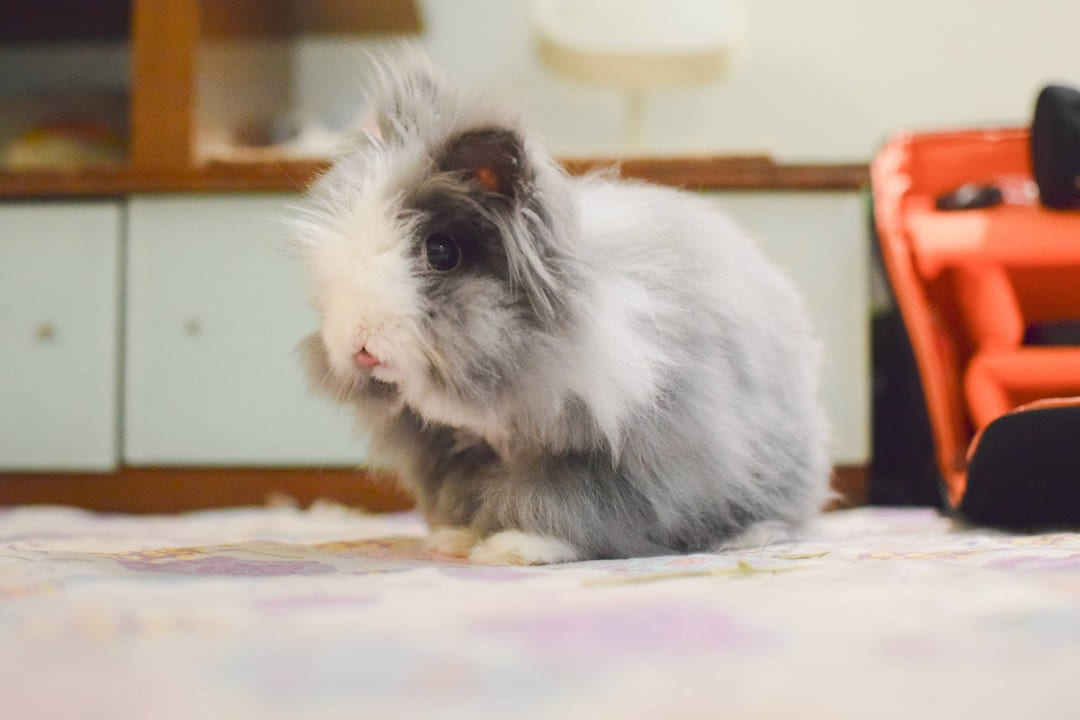
DIY Enrichment can be easier to approach when you start with a few practical basics. As pet parents, we all want the best for our little companions. Beyond providing food, water, and a comfy bed, enriching their lives is crucial for their physical and mental well-being. But let’s be honest, commercially available pet toys and enrichment items can be expensive and often lack that personal touch. That’s where DIY pet enrichment comes in! This guide is designed for beginners, focusing on simple, affordable, and incredibly effective ways to stimulate your small pets - whether they’re furry rabbits, scaled reptiles, or gliding sugar gliders. Let's dive into creating a stimulating and rewarding environment for your critter, without breaking the bank.
The Importance of Enrichment (DIY Enrichment)
Before we jump into the projects, it’s important to understand why enrichment is so vital. Pets, especially small ones, are intelligent and naturally active creatures. Without sufficient mental and physical stimulation, they can become bored, frustrated, and even develop behavioral problems like excessive chewing, digging, or pacing. Enrichment provides opportunities for them to express their natural instincts - foraging, exploring, climbing, hiding, and playing - leading to happier, healthier, and more well-adjusted pets. It’s not just about keeping them entertained; it’s about meeting their fundamental needs.
DIY Project 1: Cardboard Kingdom - Building a Customizable Habitat
Cardboard boxes are a DIY enrichment goldmine! They’re cheap, readily available, and incredibly versatile. Let’s start with building a simple, customizable habitat. This is a fantastic project for rabbits, guinea pigs, rats, and even small reptiles.
- Instructions: Cut holes in the boxes to create tunnels and connecting rooms. You can vary the size of the holes to provide different challenges - some large enough for easy passage, others requiring a little more maneuvering. Create multiple levels by taping boxes together, creating a multi-tiered castle. Get creative! You can even decorate the castle with non-toxic markers (think simple patterns or names) or pet-safe paint (again, ensure it’s completely dry and won’t be ingested). Consider adding a small ramp made from cardboard to connect different levels. This is especially beneficial for rabbits who love to hop and climb. Create a secret passage by cutting a small hole and covering it with a flap of cardboard - this taps into their natural hiding instincts.
- Stability is Key: Reinforce the structure with extra tape, especially around the seams. Consider adding a base board made of plywood or a sturdy piece of cardboard to provide a stable foundation.
- Personalize It: Add bedding like shredded paper, fleece scraps, or hay to make it cozy.
Example: A rabbit might enjoy a multi-tiered castle with a tunnel leading to a hidden “bedroom” - a smaller box with a cozy fleece lining. A rat could use the tunnels to explore and stash treats.
DIY Project 2 & 3: Hideaway Boxes & Foraging Toys
Hiding spots are essential for most small pets. It provides a sense of security and allows them to retreat when they feel overwhelmed. Foraging toys take enrichment to the next level, engaging their natural hunting behaviors.
- Hideaway Box: Simply cut a doorway into a cardboard box, varying the size and shape. Line the inside with a soft towel or fleece for extra comfort. You can also add textures - glue on corrugated cardboard for a rough surface, or cover the box with fabric for a smoother feel. Consider adding a small, shallow dish of water inside for easy access.
- Foraging Toys: This is where things get really fun! Instead of just putting food in a bowl, make your pet work for it. Hide small amounts of food in paper bags (make sure they’re securely closed - supervise initially!), toilet paper tubes (cut slits for easy access), or even coconut shells. You can also scatter food around the enclosure, encouraging them to explore and search for it. Vary the difficulty - start with easy-to-find treats and gradually increase the challenge.
- Example: A sugar glider would love a paper bag filled with a small amount of fruit, while a hamster might enjoy digging through a coconut shell for sunflower seeds.
DIY Project 4: Climbing Structures & Sensory Enrichment
Rabbits, geckos, and sugar gliders especially benefit from opportunities to climb and explore different textures. These projects tap into their natural instincts and provide valuable exercise.
- Climbing Structures: Use branches (ensure they’re free of pesticides and safe for chewing - research safe wood types for your specific pet!) to create a small climbing structure. You can secure them to a sturdy base using zip ties or screws. Alternatively, create ramps using cardboard or wood scraps. Make sure the structure is stable and won't tip over. For reptiles, ensure the branches are dry and provide basking opportunities.
- Sensory Enrichment: Introduce different textures to your pet’s environment. Provide a digging box filled with sand or coconut fiber (ensure it’s safe for your pet’s species and doesn’t cause impaction). Offer a fleece blanket for snuggling. Place a piece of bark on the floor for them to explore with their feet. For scent enrichment, you can rub herbs like rosemary or lavender on a towel and place it in their enclosure (ensure the herbs are safe for your specific pet - research thoroughly!).
- Example: A rabbit might enjoy a branch-covered platform, while a gecko could benefit from a textured rock or log to climb on.
Safety First & Maintaining Interest
This is critical. Always prioritize your pet’s safety when creating enrichment items. Avoid using small parts that could be swallowed. Don't use toxic materials like glitter or certain paints. Regularly inspect your DIY creations to ensure they are sturdy and free of sharp edges. And, perhaps most importantly, don’t let your pet get too comfortable with a single enrichment item. Rotation is key! Introduce new toys and activities regularly to keep them engaged and prevent boredom. A little change can go a long way. Consider a ‘treasure hunt’ - hiding several enrichment items throughout the enclosure each day to keep them guessing.
Beyond the Basics: Expanding Your Enrichment Toolkit
Once you’ve mastered these basic projects, consider exploring more advanced options. Creating puzzle feeders, building mazes, or introducing new scents and sounds can further stimulate your pet’s mind. Research your specific pet’s species and natural behaviors to tailor your enrichment efforts accordingly. Don't be afraid to experiment and see what your pet enjoys most! A simple observation - watching your pet’s reaction to a new item - can tell you a lot about what they find engaging.
Conclusion
Creating DIY pet enrichment isn't about spending a lot of money; it’s about understanding your pet’s needs and providing them with opportunities to express their natural behaviors. By using readily available materials and a little creativity, you can transform your home into a stimulating and rewarding environment for your furry, scaly, or feathered friend. Don’t be afraid to experiment - the best enrichment is often the most personalized. Now go on, get creative and watch your pet thrive!
Keep This Practical
If this topic matters to your pet right now, keep the next step calm and practical. A small improvement in safety, enrichment, or routine often makes a bigger difference than buying more at once.
Tools Worth A Look
These picks are most helpful when they improve pet safety, comfort, enrichment, or day-to-day care without adding unnecessary complexity.
- FXW Rollick Unleashed Dog Playpen for Indoor, Yard, RV Camping, 32 inch 16 Panels for Small and Medium Dogs, Black│PatentedFresh Step Clean Paws Advanced Multi Cat Clumping Litter with Febreze FreshnessThe Complete Natural Pet Healing Bible: Practical Step-by-Step Protocols to Restore Your Pet’s Health NaturallyPersonalized Dog Tag with 5 Lines of Custom Deep Engraved Durable Stainless Steel Pet ID Name Tag Designer Regular Size BonePetsPros’ Exotic Pet Care for Beginners: Learn Everything about Your Companion from Nutrition to Reproduction (PetsPros Simple Pet Care Guides Book 9)
Some of the links on this page are Amazon affiliate links, which means I may earn a small commission if you make a purchase through them. As an Amazon Associate, I earn from qualifying purchases.
Related ReadingMore from Little Critter Guide
DIY Pet Fun: Enrichment or Ready-Made?
Use diy pet fun: enrichment or ready-made? as a more grounded pet-care guide focused on safety, enrichment, and steady day-to-day routines.
DIY Pet Enrichment: Common Mistakes
Mistakes to Avoid I’ve seen it happen - a pet owner, brimming with good intentions, spends an afternoon crafting a fantastic-looking enrichment toy, only to f...
Small Pet Fun: DIY Enrichment Ideas
A clearer guide to small pet fun: diy enrichment ideas, built around pet comfort, behavior signals, and care choices that are easier to use in real life.