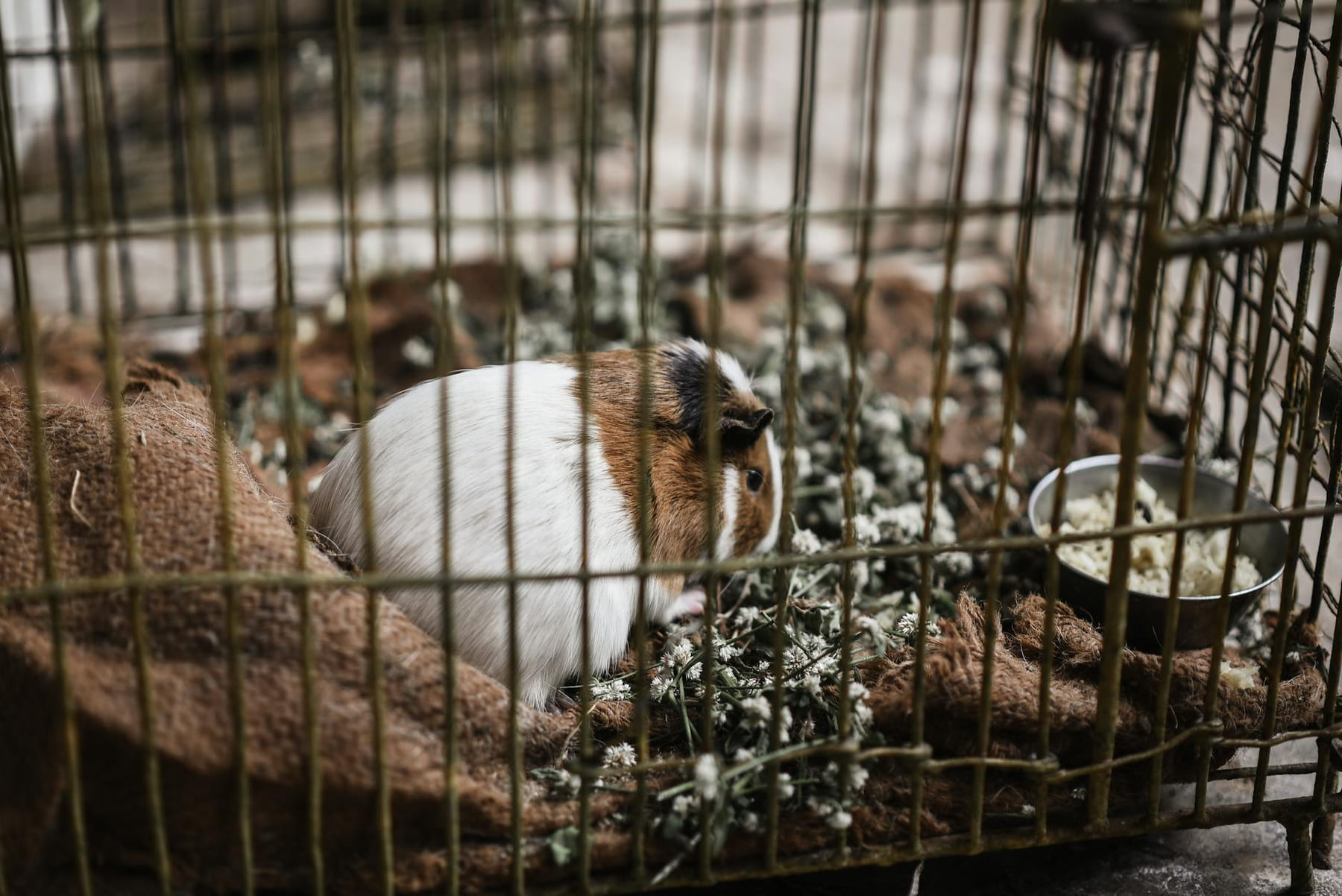
Bringing a new pet into your life is a huge decision - a joyful one, absolutely, but one that deserves careful thought and preparation. It’s incredibly exciting to welcome a furry, scaled, or feathered friend into your home, but the reality of pet ownership can sometimes feel a little overwhelming, especially if you’re a first-timer. That’s where this guide comes in. We’re breaking down everything you need to know to confidently step into the world of pet ownership, focusing on smaller pets and those that are particularly well-suited for beginners. Let’s dive in!
1. Choosing the Right Companion: It’s About Compatibility
The biggest mistake first-time pet owners make is often choosing a pet based solely on cuteness or a fleeting impulse. It’s vital to consider your lifestyle, living situation, and experience level before you bring an animal home. Here's a breakdown of some popular options for beginners:
- Small Mammals: Hamsters, gerbils, and mice are often cited as excellent starter pets. They’re relatively low-maintenance in terms of space and cost, but require daily care like feeding, cleaning their enclosures, and providing enrichment. *Important Note:* Hamsters are typically solitary animals and should be housed alone. Gerbils and mice can sometimes be kept in pairs (with careful introduction) but require a larger enclosure.
- Reptiles: Leopard geckos and crested geckos are fantastic choices. They’re docile, relatively easy to handle (with proper acclimation), and don’t require a huge amount of space. They need specific temperature and humidity levels, so research is crucial. Bearded dragons are another popular option, though they need more space and a slightly more involved diet.
- Birds: Budgies (parakeets) and finches are intelligent and social birds that can thrive with a little attention. They need a spacious cage, a balanced diet, and regular interaction. Larger parrots, while beautiful, are a significant commitment and not recommended for absolute beginners.
- Small Rodents (Beyond the Basics): Fancy rats and dwarf hamsters offer unique personalities and can be surprisingly affectionate. However, they require more interaction and mental stimulation than standard breeds.
- Invertebrates: Stick insects, millipedes, and certain types of tarantulas can be fascinating and low-maintenance pets, offering a unique and quiet companionship.
2. Setting Up Your Pet’s Home: Creating a Safe Haven
Once you've chosen your pet, creating a suitable habitat is paramount. Don’t skimp on this step! Here’s what you need to consider:
- Enclosure Size: Bigger is almost always better. A cramped environment leads to stress and behavioral problems. Research the minimum recommended size for your chosen pet.
- Substrate: The material you use for the bottom of the enclosure matters. Paper-based bedding is a good option for many small mammals. Reptiles require specialized substrates like reptile carpet, coconut fiber, or bioactive mixes.
- Temperature & Humidity: Reptiles and amphibians are extremely sensitive to temperature and humidity. Invest in a reliable thermometer and hygrometer and learn how to maintain the correct levels for your pet’s species.
- Hiding Places: Pets need secure places to retreat and feel safe. Provide hides, caves, or plants.
- Enrichment: Boredom can lead to destructive behaviors. Offer toys, climbing opportunities, and puzzles to keep your pet mentally stimulated. For rodents, cardboard tubes, chew toys, and foraging opportunities are key.
3. Nutrition: Fueling a Happy, Healthy Pet
Proper nutrition is the foundation of your pet’s well-being.
- Species-Specific Diets: Don’t just feed your pet generic “pet food.” Research the specific dietary needs of your chosen animal. Reptiles, for example, require a diet consisting of insects and/or vegetables. Hamsters need a high-fiber diet.
- Fresh Water: Always provide access to fresh, clean water.
- Supplements: Depending on your pet’s species and diet, you may need to supplement with vitamins or minerals. Consult with a veterinarian for guidance.
- Portion Control: Obesity is a common problem in pets. Follow feeding guidelines carefully and monitor your pet’s weight.
4. Healthcare: Prevention is Key
- Veterinary Care: Find a veterinarian experienced with exotic pets *before* you bring your pet home. Regular checkups are crucial for early detection of health problems.
- Quarantine: If you’re introducing a new pet to an existing household, quarantine the new animal for at least 30 days to monitor for illness.
- Recognizing Signs of Illness: Learn to recognize the signs of illness in your pet, such as changes in appetite, lethargy, difficulty breathing, or unusual behavior. Don't hesitate to contact your vet if you're concerned.
- Parasite Prevention: Many pets are susceptible to parasites. Talk to your vet about appropriate preventative medications.
5. Handling & Bonding: Building a Relationship
- Respectful Handling: Always handle your pet gently and respectfully. Allow them to approach you and get used to your scent.
- Positive Reinforcement: Use positive reinforcement (treats, praise) to reward good behavior.
- Socialization (Where Appropriate): Some pets, like budgies and rats, benefit from socialization with humans.
- Understanding Body Language: Learn to read your pet’s body language to understand their mood and needs. A relaxed pet will have soft eyes, a loose posture, and a wagging tail (in the case of rodents).
6. Legal and Ethical Considerations
- Local Laws: Research local ordinances regarding pet ownership, including licensing requirements, leash laws, and restrictions on certain species.
- Responsible Breeding: If you’re considering purchasing a pet from a breeder, choose a reputable breeder who prioritizes the health and welfare of their animals. Avoid supporting puppy mills or backyard breeders.
- Commitment: Pet ownership is a long-term commitment. Be prepared to provide for your pet’s needs for the duration of their life.
7. Resources for New Pet Owners
- The Pet Care Experts: - Offers a wealth of information on various pet species.
- ASPCA: - Provides resources on responsible pet ownership and animal welfare.
- International Society for Ketamine Research (ISKCR): - Great resource for reptile and amphibian care.
- Local Animal Shelters & Rescue Organizations: Consider adopting a pet from a local shelter or rescue organization.
Bringing a pet into your life is a rewarding experience. By doing your research, preparing your home, and providing your pet with proper care, you can build a strong and lasting bond. Remember, patience and understanding are key - your new companion is counting on you! Enjoy the journey!
Keep This Practical
The most helpful pet-care changes are usually the ones your animal can feel right away: more comfort, clearer routines, and less daily stress. Start there and build steadily.
Tools Worth A Look
If you want a practical next step for your pet's routine or setup, the recommendations below are the best fit.
- PetsPros’ Exotic Pet Care for Beginners: Learn Everything about Your Companion from Nutrition to Reproduction (PetsPros Simple Pet Care Guides Book 9)Personalized Dog Tag with 5 Lines of Custom Deep Engraved Durable Stainless Steel Pet ID Name Tag Designer Regular Size BoneTenrai Portable Cat Playpen, Trapezoidal Design for Better Standing, Foldable Pet Tent for Indoor and Outdoor Use of Kitten and PuppyLOBEVE No Pull Dog Harness, Collar and Leash SetTraveling With Your Cat: A Step-by-Step Training System to Reduce Anxiety and Build Confidence for Calm Car Rides, Flights, Hotels, and RV Trips
Some of the links on this page are Amazon affiliate links, which means I may earn a small commission if you make a purchase through them. As an Amazon Associate, I earn from qualifying purchases.
Related ReadingMore from Little Critter Guide
Tiny Pets: Your Beginner’s FAQ
and Beginner-Friendly Exotic Pets Guide FAQ Tiny Pets: Your Beginner can be easier to approach when you start with a few practical basics. Bringing a little.
Small Pets: Your Checklist Starts Here
can be easier to approach when you start with a few practical basics. * Substrate: This is the bedding - it needs to be safe, absorbent, and appropriate for your.
Small Pets & New Adventures: Budget Ideas
and Beginner-Friendly Exotic Pets - A Budget-Friendly Guide Bringing a new pet into your life is a wonderful experience, filled with companionsh...