1. The “Cute Factor” Overrides Research (Tiny Pets, Big Mistakes)
Let’s be honest. When you start thinking about adding a little critter to your family, the “cute factor” is huge. A tiny hamster, a fluffy bunny, a vibrant gecko - they’re undeniably adorable. And that undeniable cuteness can completely overshadow the serious, sometimes challenging, work of responsible pet ownership. I’ve seen it countless times, and it’s the root of so many “big mistakes” when it comes to small pets. I’m Amanda Crest, and as someone who’s spent a lifetime surrounded by these little creatures - from meticulously caring for hamster colonies as a kid to years as a veterinary technician - I want to gently steer you away from those pitfalls and towards a truly rewarding experience. This isn’t about discouraging you from wanting a tiny companion; it’s about equipping you with the knowledge to provide them with a happy, healthy, and fulfilling life.
My own fascination began in my family’s basement - a perpetually dusty haven for a thriving community of hamsters and guinea pigs. Those early days weren’t about Instagram photos; they were about observation. I learned to read the subtle cues - the twitch of a nose signaling a desire for a sunflower seed, the contented sigh of a guinea pig nestled in fleece. That foundational understanding, combined with a degree in Animal Science specializing in rodent behavior, and years working alongside veterinarians, has given me a deep appreciation for the specific needs of these often-overlooked animals. It’s a surprisingly complex world, and it’s vital to approach it with respect and informed preparation.
2. Beyond the Instagram Filter: Understanding Species-Specific Needs
The biggest mistake people make is assuming all small pets are the same. A gerbil’s needs are vastly different from a leopard gecko’s, and a dwarf rabbit’s requirements are completely distinct from a fancy rat’s. Before you even think about bringing a tiny creature home, you need to do your research. Don’t just look at pictures of adorable babies; delve into the specifics of their diet, habitat, social needs, and potential health concerns.
- Hamsters: These little guys are nocturnal, meaning they’re most active when you’re sleeping. A large, multi-level cage with plenty of enrichment - tunnels, chew toys, and a digging substrate - is crucial. They also need a dust bath regularly to keep their coats healthy.
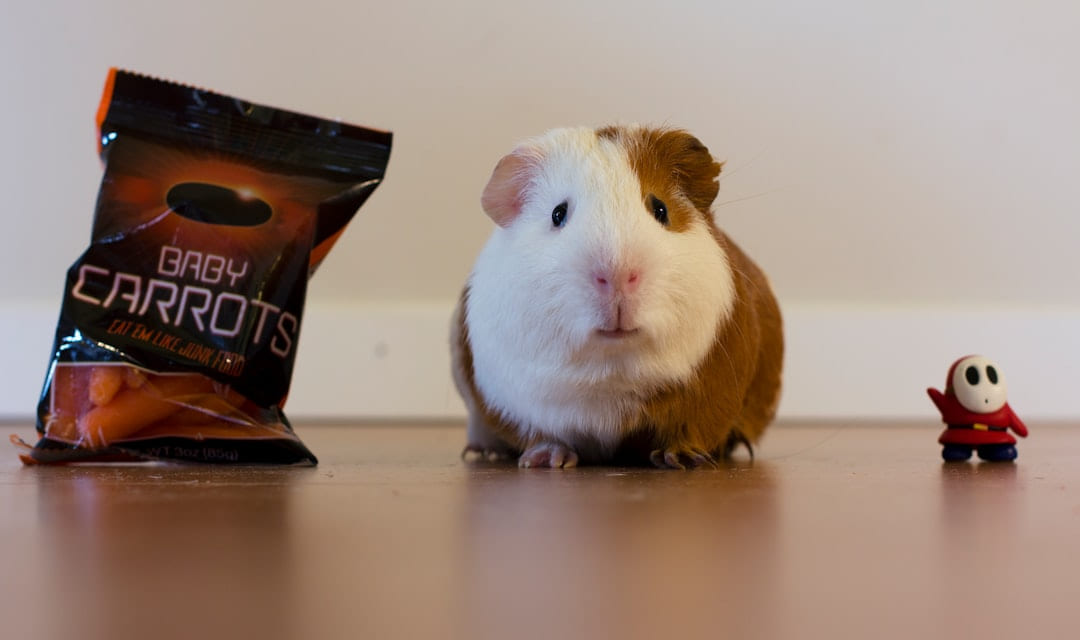
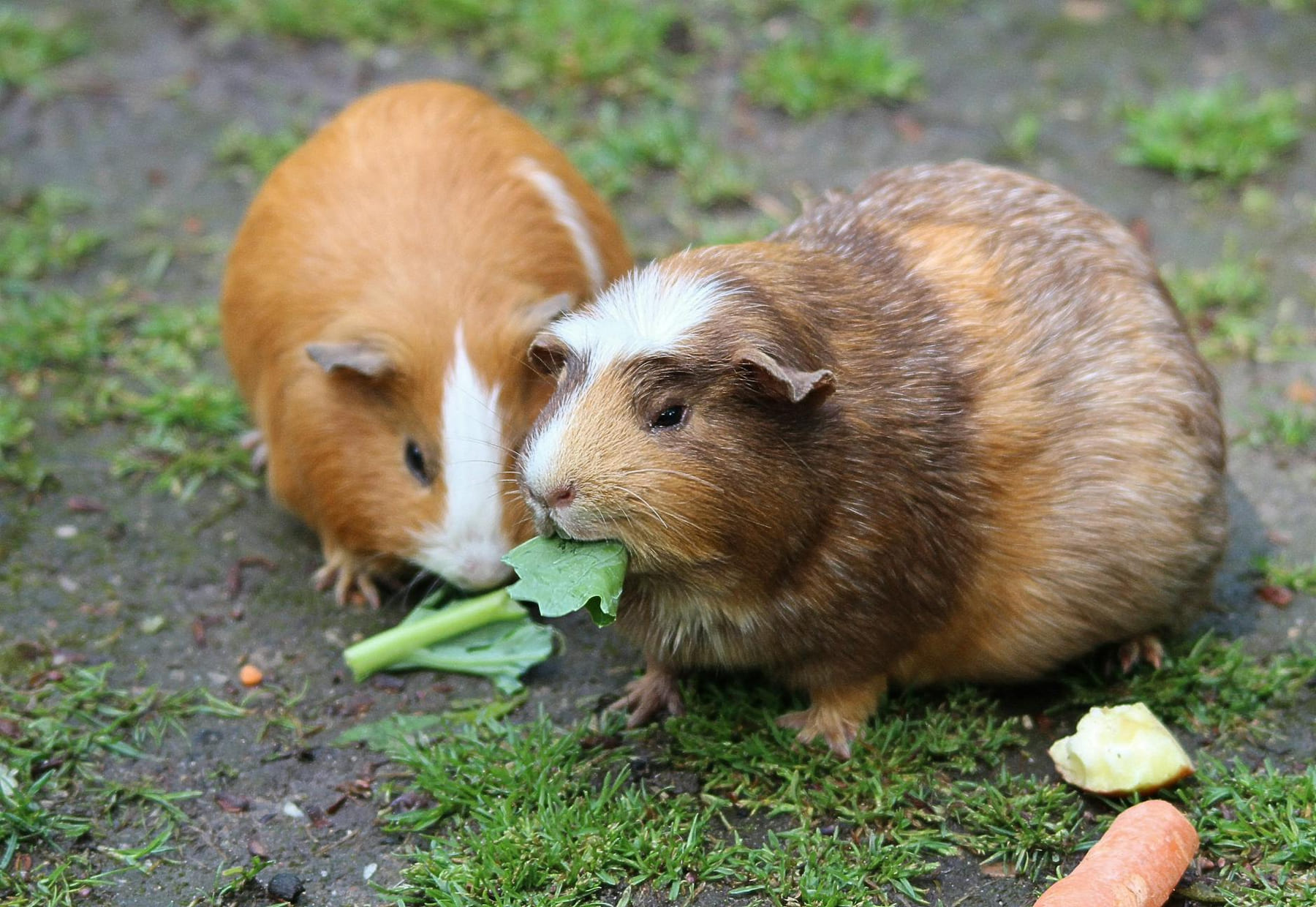
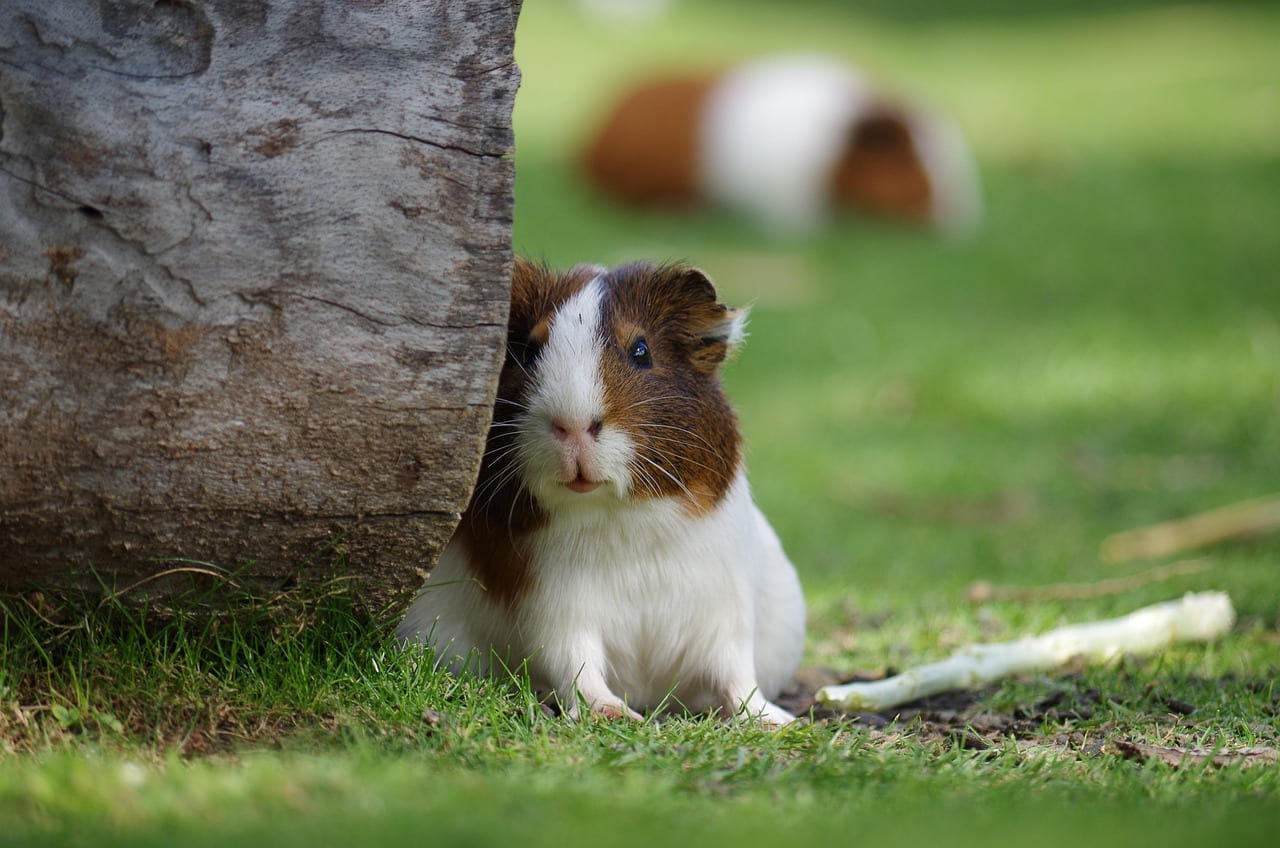
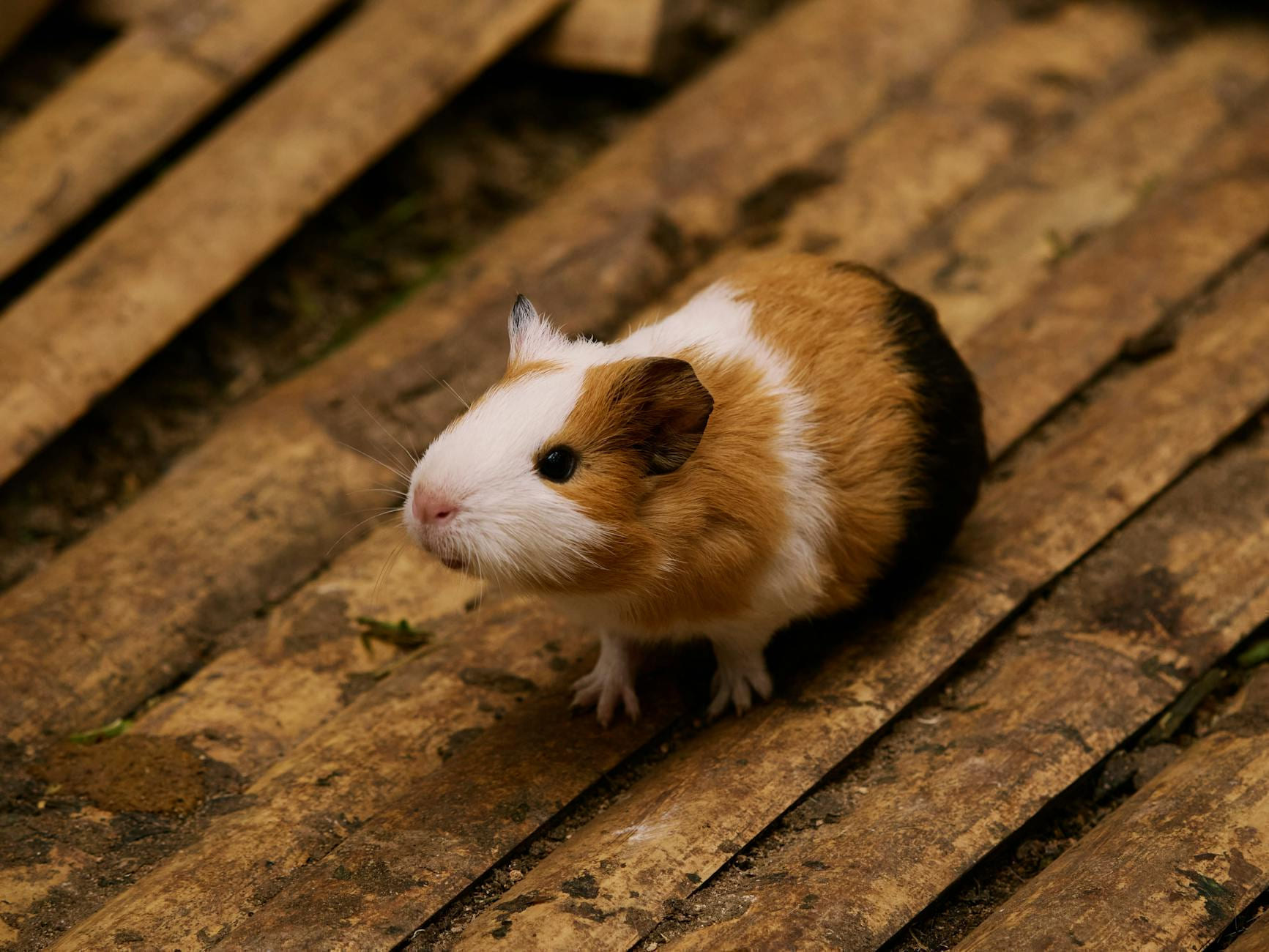
- Guinea Pigs: These social animals *need* a companion. Keeping a single guinea pig is generally discouraged, as they can become lonely and depressed. They require a spacious cage, daily fresh vegetables, and a constant supply of hay.
- Leopard Geckos: These reptiles are relatively low-maintenance, but they need a specific temperature gradient - a warm side and a cool side - to regulate their body temperature. They also need a proper diet of insects and a calcium supplement.
- Dwarf Rabbits: These fluffy bundles of joy are surprisingly active and intelligent. They need a large enclosure, plenty of space to hop around, and a diet primarily consisting of hay, fresh vegetables, and a small amount of rabbit pellets.
Ignoring these differences can lead to serious health problems and a miserable life for your pet. Think of it like this: you wouldn't expect a dog to thrive in a hamster cage, would you? The same principle applies to all small animals.
3. Habitat Horror Stories: Creating a Suitable Environment
A small cage or tank isn’t a home; it’s a temporary holding pen. Creating a stimulating and enriching environment is absolutely vital for a small pet’s well-being. Many people underestimate the space requirements and the importance of enrichment.
- Size Matters: Don’t be fooled by cute miniature cages. Larger is *always* better. A gerbil needs significantly more space than a hamster, and a leopard gecko needs a terrarium that allows for proper temperature regulation and hiding spots.
- Substrate is Key: The type of substrate you use matters. Paper-based bedding is a good option for hamsters and guinea pigs, while reptile-safe substrates are essential for geckos. Avoid cedar and pine shavings, as they can be harmful to their respiratory systems.
- Enrichment is Essential: Small pets need mental and physical stimulation. Provide plenty of toys, tunnels, climbing structures, and opportunities for foraging. Rotate toys regularly to keep things interesting. For rabbits, a cardboard box filled with hay is a simple but effective enrichment tool.
I once treated a hamster that had developed a respiratory infection because its cage was too small and lacked adequate ventilation. It was a heartbreaking case, and a clear illustration of how a poorly designed habitat can have devastating consequences.
4. Diet Deception: What They *Really* Need
The internet is full of conflicting information about pet food. Many commercially available foods are filled with fillers, artificial colors, and preservatives that are detrimental to a small pet’s health.
- Research Reputable Brands: Look for foods that are specifically formulated for your pet’s species and age.
- Fresh Foods are Fantastic: Supplement their commercial diet with fresh fruits, vegetables, and herbs. Hamsters love carrots and broccoli, guinea pigs adore bell peppers and cucumbers, and rabbits thrive on leafy greens.
- Calcium is Crucial: Especially for reptiles and rabbits, a calcium supplement is essential to prevent metabolic bone disease.
Don’t just feed your pet what you like; prioritize their nutritional needs. A balanced diet is the foundation of a healthy life.
5. Social Butterflies (and Other Social Creatures): Addressing Social Needs
Many small pets are social animals and thrive on interaction. Ignoring this can lead to loneliness, boredom, and behavioral problems.
- Companionship is Key: As mentioned earlier, guinea pigs should always be kept in pairs or small groups. Hamsters can sometimes be housed together, but careful introductions are necessary. Leopard geckos and rabbits can also benefit from a compatible companion.
- Interaction Time: Spend time interacting with your pet every day. This could involve playing with them, offering them treats, or simply talking to them.
6. Health Hazards: Recognizing the Signs of Illness
Small pets are prone to specific health problems. Regular veterinary checkups are crucial, but it’s also important to be able to recognize the signs of illness.
- Changes in Appetite: A sudden loss of appetite can be a sign of illness.
- Lethargy: A pet that is unusually inactive may be feeling unwell.
- Respiratory Issues: Wheezing, coughing, or difficulty breathing are all cause for concern.
- Skin Problems: Redness, itching, or hair loss can indicate a skin infection.
Don’t wait until your pet is visibly ill to seek veterinary care. Early detection and treatment can make a huge difference.
Bringing a tiny pet into your life can be an incredibly rewarding experience. But it’s a commitment that requires knowledge, patience, and a genuine desire to provide the best possible care. By avoiding the "cute factor" trap and focusing on your pet’s specific needs, you can build a strong and lasting bond and ensure that your little critter lives a happy, healthy, and fulfilling life. And trust me, that’s a far more rewarding feeling than any Instagram likes.
Keep This Practical
The most helpful pet-care changes are usually the ones your animal can feel right away: more comfort, clearer routines, and less daily stress. Start there and build steadily.