
Why Introductions Matter: More Than Just a Welcome Wagon (Tiny Pets, Big Introductions)
Tiny Pets, Big Introductions can be easier to approach when you start with a few practical basics. Bringing a new pet home is exciting, but for many exotic animals, it’s also incredibly stressful. They’ve likely spent their entire lives in a specific environment, with particular sights, sounds, and smells. Suddenly, they’re thrust into a completely new world - your home! A proper introduction isn't just about showing them the living room; it’s about carefully acclimating them to their new surroundings, minimizing anxiety, and building a foundation for a happy, healthy life.
Think of it like this: you wouldn’t just drop a child into a crowded school cafeteria. You’d introduce them to friends gradually, help them understand the rules, and provide a safe space to adjust. Exotic pets need the same thoughtful approach. Poor introductions can lead to fear, hiding, refusal to eat, aggression, and ultimately, illness. Let's break down the key stages and what to expect.
The Initial Quarantine - Safety First
Before your new pet even sees your family, they need a dedicated quarantine space. This is absolutely crucial, especially for animals like reptiles, amphibians, and certain rodents. A small, secure enclosure - think a spare room, a large closet, or even a dedicated corner - is ideal. This space should be completely separate from your existing pets and family members.
Here’s what to include in the quarantine area:
- Secure Enclosure: This needs to be escape-proof! Reptile enclosures should have locking lids, and even hamster cages should have wire mesh bottoms secured with weight.
- Temperature and Humidity Control: This is *vital*. Reptiles, in particular, require very specific temperature and humidity levels. Invest in a reliable thermometer and hygrometer to monitor these conditions.
- Hiding Places: Animals need a safe place to retreat when feeling overwhelmed. Provide a hide box, cave, or dense foliage.
- Food and Water: Set up a basic feeding station and water source.
During this phase (typically 2-4 weeks, depending on the species), the focus is on letting your pet get used to the new environment. You’ll be spending time near the enclosure, talking softly, and offering treats (if appropriate for the species). Don't force interaction - let them come to you.
Scent Exchange - Building Trust
Once your pet is comfortable in the quarantine area, it’s time for scent exchange. This is a gentle way to introduce their scent to the rest of the household without direct contact. Start by swapping bedding or towels between the quarantine area and the main living space. This allows them to familiarize themselves with your family’s smells.
Practical Example: If you’re introducing a crested gecko, swap a small piece of their substrate with a similar piece from their enclosure in the main room. Repeat this daily for a week or two.
You can also rub a cloth on your pet and then place it near their enclosure. This helps them get used to your scent and creates a sense of familiarity.
Visual Introductions - Controlled Exposure
Now, we’ll start introducing your pet to visual contact with their new surroundings. Begin by allowing them to see the main living area through the quarantine enclosure door or a partially open door. Keep these sessions short - just a few minutes at a time - and monitor their reaction closely. Signs of stress include hiding, panting (in reptiles), excessive grooming, or refusing to eat.
Important Note: If your pet shows significant signs of distress, immediately end the session and go back to the previous phase. Patience is key!
For smaller pets like hamsters or guinea pigs: You can start by placing their cage near the area where they’ll eventually be housed, allowing them to hear the sounds and smells of the room. Gradually move the cage closer over several days.
Supervised Interactions - Short and Sweet
Once your pet is comfortable seeing the main living area, you can begin short, supervised interactions. Start with just a few minutes, and gradually increase the duration as your pet becomes more confident. Always supervise closely and provide a safe space for them to retreat to if they feel overwhelmed.
Tips for Supervised Interactions:
- Keep it calm: Avoid loud noises and sudden movements.
- Offer a favorite treat: This can help create positive associations.
- Don’t force interaction: Let your pet approach you on their own terms.
- Provide enrichment: Offer toys or activities to keep them engaged.
Specific Considerations for Certain Pets:
- Reptiles: Introduce them to the main room gradually, starting with short periods in a secure enclosure. Avoid direct sunlight initially.
- Rabbits: Rabbits are prey animals and can be easily frightened. Introduce them slowly and provide plenty of hiding places.
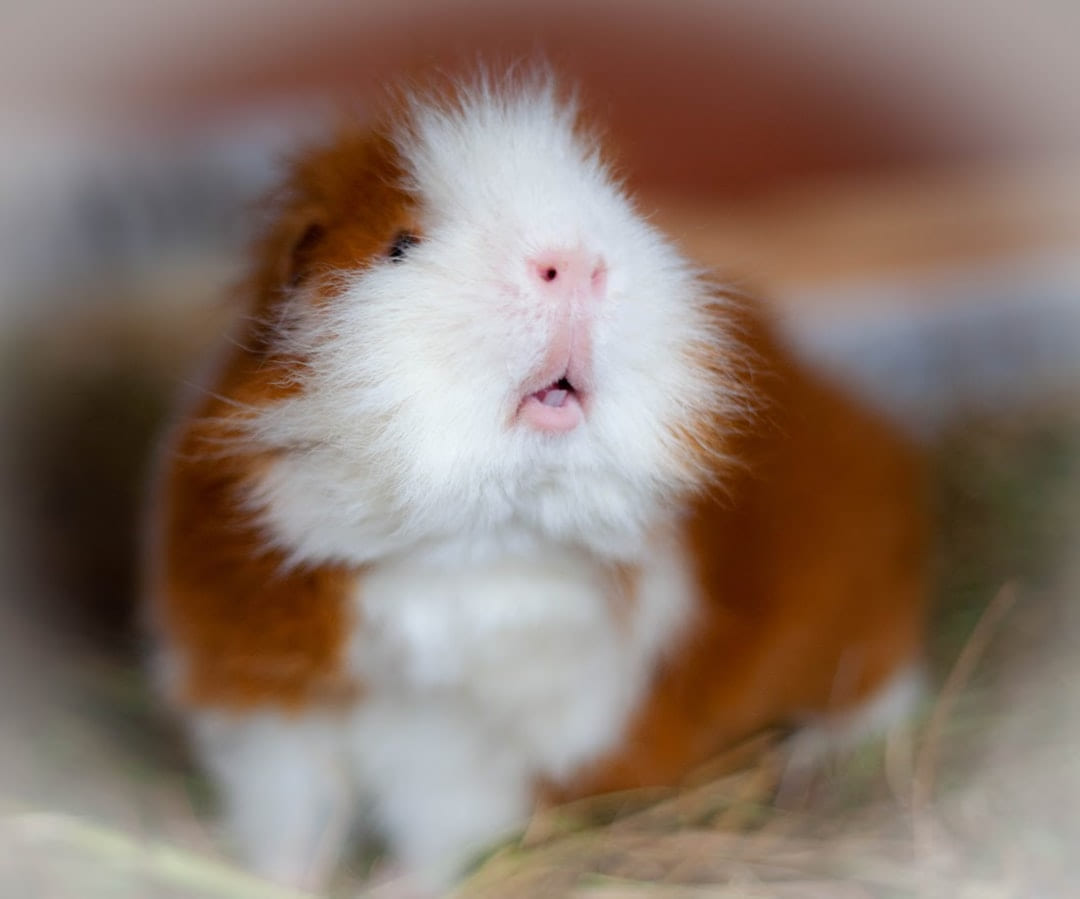
- Guinea Pigs: Guinea pigs are social animals and benefit from having a companion. Introduce them to a compatible guinea pig gradually.
Full Integration - Ongoing Monitoring
After several weeks of gradual introductions, your pet should be fully integrated into the household. However, it’s important to continue monitoring their behavior and providing them with a stimulating and enriching environment. Regular vet checkups are crucial to ensure they remain healthy and happy.
Remember: Every animal is different. Some pets will adapt quickly, while others may take longer. Be patient, observant, and always prioritize your pet’s well-being. If you’re ever unsure about how to proceed, consult with a veterinarian or a qualified exotic animal specialist.
Pick the easiest win first
Most people get better results with Tiny Pets, Big Introductions when they narrow the decision to one real problem. That could be saving time, trimming cost, reducing friction, or making the routine easier to keep up.
This usually gets easier once you make a short list of priorities. A tighter list tends to produce better decisions than trying to solve every possible problem at once.
Another useful filter is asking what you would still recommend if the budget got tighter, the schedule got busier, or the setup had to be easier for someone else to manage. The answers to that question usually reveal which advice is durable and which advice only works under ideal conditions.
The tradeoff most people notice late
One common mistake with Tiny Pets, Big Introductions is expecting every option to solve the whole problem. In reality, some choices are better for convenience, some for reliability, and some simply for keeping the budget under control.
Before spending more, it is worth checking the setup, upkeep, and learning curve. Small hassles matter here because they are usually what decide whether something stays useful or gets ignored.
It is easy to underestimate how much clarity comes from removing one unnecessary layer. In practice, trimming one complication often does more for Tiny Pets, Big Introductions than adding one more feature, one more product, or one more clever workaround.
Keep This Practical
The most helpful pet-care changes are usually the ones your animal can feel right away: more comfort, clearer routines, and less daily stress. Start there and build steadily.
Tools Worth A Look
If you want a practical next step for your pet's routine or setup, the recommendations below are the best fit.
- The Calm Living SeriesExotic Shorthair CatThriving Kids and TeensHealthy Canine BooksEMEET 1080P Webcam with Microphone, C960 Web Camera, 2 Mics Streaming Webcam, 90°FOV Computer Camera, Plug and Play USB Web Cam
Some of the links on this page are Amazon affiliate links, which means I may earn a small commission if you make a purchase through them. As an Amazon Associate, I earn from qualifying purchases.
Related ReadingMore from Little Critter Guide

New Pet, New Steps: A Gentle Start
Bringing a New Creature Home: A Step-by-Step Guide for Exotic Pets (A Gentle) Bringing a new animal into your life is a big deal - a real shift in your routine.
New Exotic Pet? Start Here
Exotic Pet Introductions Checklist - Little Critter Guide Exotic Pet Introductions Checklist: A Guide for New Owners Welcome to the Wonderful World of Exotic Pets!.

Exotic Pets: Introductions or Something Else?
Exotic Pet Introductions vs Alternatives: Finding the Right Fit for You Exotic Pet Introductions vs Alternatives: Finding the Right Fit.