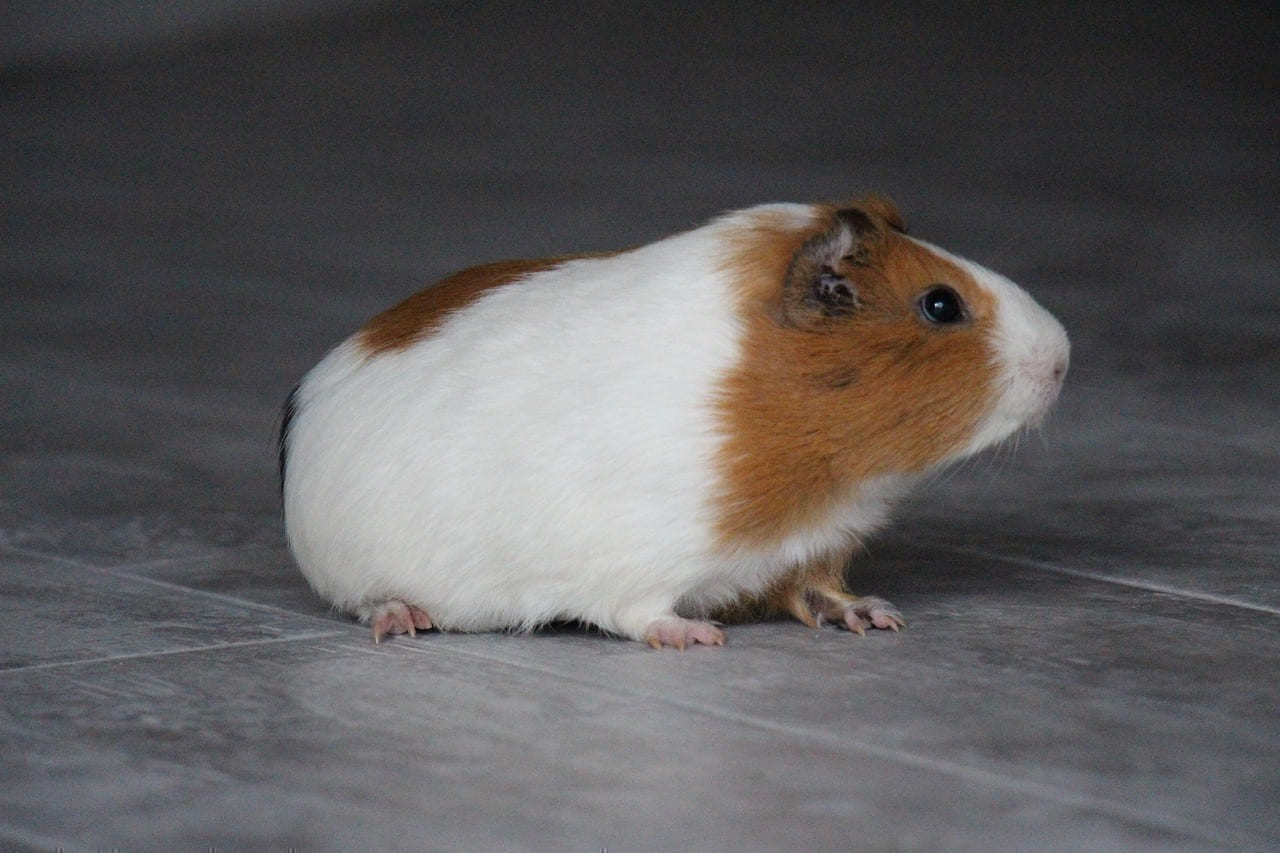
Bringing a small pet into your life is a truly wonderful experience - a little burst of joy, companionship, and often, a surprising amount of responsibility. It’s a commitment, absolutely, and it’s incredibly important to approach it with realistic expectations. There will be challenges along the way, and honestly, that’s perfectly normal. The key is to be patient, observant, and genuinely willing to learn alongside your new friend. Remember, these little creatures - whether they’re tiny hamsters, curious gerbils, or even a little gecko - are completely reliant on you to provide a loving, enriching environment. It’s a big job, but a deeply rewarding one. By focusing on their basic needs and paying close attention to their individual personalities, you can help them live long, happy, and healthy lives. And if you ever feel overwhelmed or simply unsure about something, please, please don’t hesitate to reach out for help. There’s no shame in asking - and you’ve absolutely got this!
Let’s be honest, the idea of “tiny pets” can be incredibly appealing. They seem manageable, low-maintenance, and perfect for apartment living. But the truth is, even the smallest animal needs a significant amount of care and attention. That’s why I wanted to create this guide - to help you understand that pet ownership, even with a small creature, is a journey, not a destination. It’s a continuous process of learning, adapting, and growing alongside your pet. As Amanda Crest, a lifelong devotee of small creatures - starting with meticulously caring for a colony of hamsters and guinea pigs in my family’s perpetually dusty basement - I’ve seen firsthand how crucial a thoughtful approach is. Those early days instilled in me a deep respect for the subtle complexities of animal behavior - the way a hamster’s twitching nose betrayed a desire for a fresh sunflower seed, or the quiet contentment of a guinea pig nestled in a pile of fleece. It wasn’t just about feeding them; it was about understanding what they needed.
The Big Health Worries - It’s More Than Just a Cute Face
Now, let’s talk about the elephant (or, you know, the hamster) in the room: “tiny pets, big health worries.” It’s a common concern, and a valid one. Often, when people think of pet ownership, they envision a loyal dog or a cuddly cat. Small pets, particularly exotic ones, can be overlooked in terms of their specific healthcare needs. They’re often more sensitive to changes in their environment, and their symptoms can be more subtle than those of larger animals. My time as a veterinary technician really hammered this home. I’ve spent countless hours diagnosing and treating illnesses in everything from budgies with respiratory infections to rabbits struggling with dental problems. It’s a sobering reminder that even a tiny creature can face serious health challenges.
Here’s a breakdown of some common health concerns you should be aware of:
- Respiratory Issues: Hamsters, guinea pigs, and even some smaller reptiles are prone to respiratory infections. Symptoms include wheezing, nasal discharge, and lethargy. Maintaining a clean, humid environment is crucial.
- Dental Problems: Rabbits and rodents are notorious for developing overgrown teeth. Regular nail trims and a diet formulated to encourage chewing are essential.
- Metabolic Bone Disease (MBD): Common in reptiles, MBD is caused by a lack of calcium and vitamin D3. Proper lighting and a calcium-rich diet are vital.
- Parasites: Fleas, mites, and internal parasites can affect almost any small pet. Regular preventative treatments are a must.
- Stress-Related Illnesses: Small pets are incredibly sensitive to stress. Changes in their environment, loud noises, or even a new pet in the household can trigger illness.
Setting Up a Happy Home: More Than Just a Cage
Beyond basic healthcare, creating a stimulating and appropriate environment is absolutely key. A simple cage with a food bowl and water bottle just isn’t enough. Think about their natural behaviors and needs. For example, hamsters need a running wheel, chew toys, and plenty of bedding to burrow in. Guinea pigs need a large, multi-level cage with hiding places and opportunities for social interaction (they’re happiest in pairs or small groups). Reptiles need specific temperature and humidity gradients, along with appropriate basking areas and hides. It’s not just about providing a space; it’s about creating a miniature habitat that mimics their natural environment as closely as possible.
Here are some practical tips:
- Research, Research, Research: Before bringing any pet home, spend time researching its specific needs. Don’t rely solely on pet store advice - consult reputable sources like the Association of Reptile and Amphibian Veterinarians (ARAV) or the Exotic Animal Society.
- Enrichment is Essential: Provide a variety of toys, tunnels, and climbing opportunities to keep your pet mentally and physically stimulated. Rotate toys regularly to prevent boredom.
- Proper Substrate: Choose a substrate that is safe, absorbent, and appropriate for your pet’s species. Avoid cedar or pine shavings, which can be harmful to small rodents.
- Temperature and Humidity Control: Reptiles and amphibians require specific temperature and humidity levels. Invest in a thermometer and hygrometer to monitor these conditions.
Building a Bond: Understanding Your Pet's Personality
Finally, and perhaps most importantly, take the time to understand your pet’s individual personality. Every animal is unique, and what works for one may not work for another. Pay attention to their body language, vocalizations, and interactions with you and other pets. For instance, a hamster that’s constantly hiding may be feeling stressed or insecure. A rabbit that’s repeatedly grooming itself may be experiencing skin irritation. Learning to “read” your pet’s signals will help you identify potential problems early on and provide the appropriate care and support.
A helpful tip: Spend time simply observing your pet. Sit quietly near their enclosure and watch what they do. Talk to them in a gentle voice. Offer them treats (in moderation, of course!). Over time, you’ll begin to understand their preferences and build a strong bond. Remember, a happy pet is a healthy pet!
Bringing a small pet into your life is a wonderful and rewarding experience. By approaching it with knowledge, patience, and a genuine love for these little creatures, you can help them thrive and bring joy to your home for years to come. And if you ever feel like you’re struggling, don’t hesitate to reach out - you’re not alone, and I’m here to help.
Keep This Practical
The most helpful pet-care changes are usually the ones your animal can feel right away: more comfort, clearer routines, and less daily stress. Start there and build steadily.