What You Need to Know can be easier to approach when you start with a few practical basics. ssary tests, and create a personalized care plan based on your pet's individual needs.
Common Pet Health Concerns - By Category
Let’s break down common health issues by category, offering a deeper dive into each:
1. Respiratory Issues:
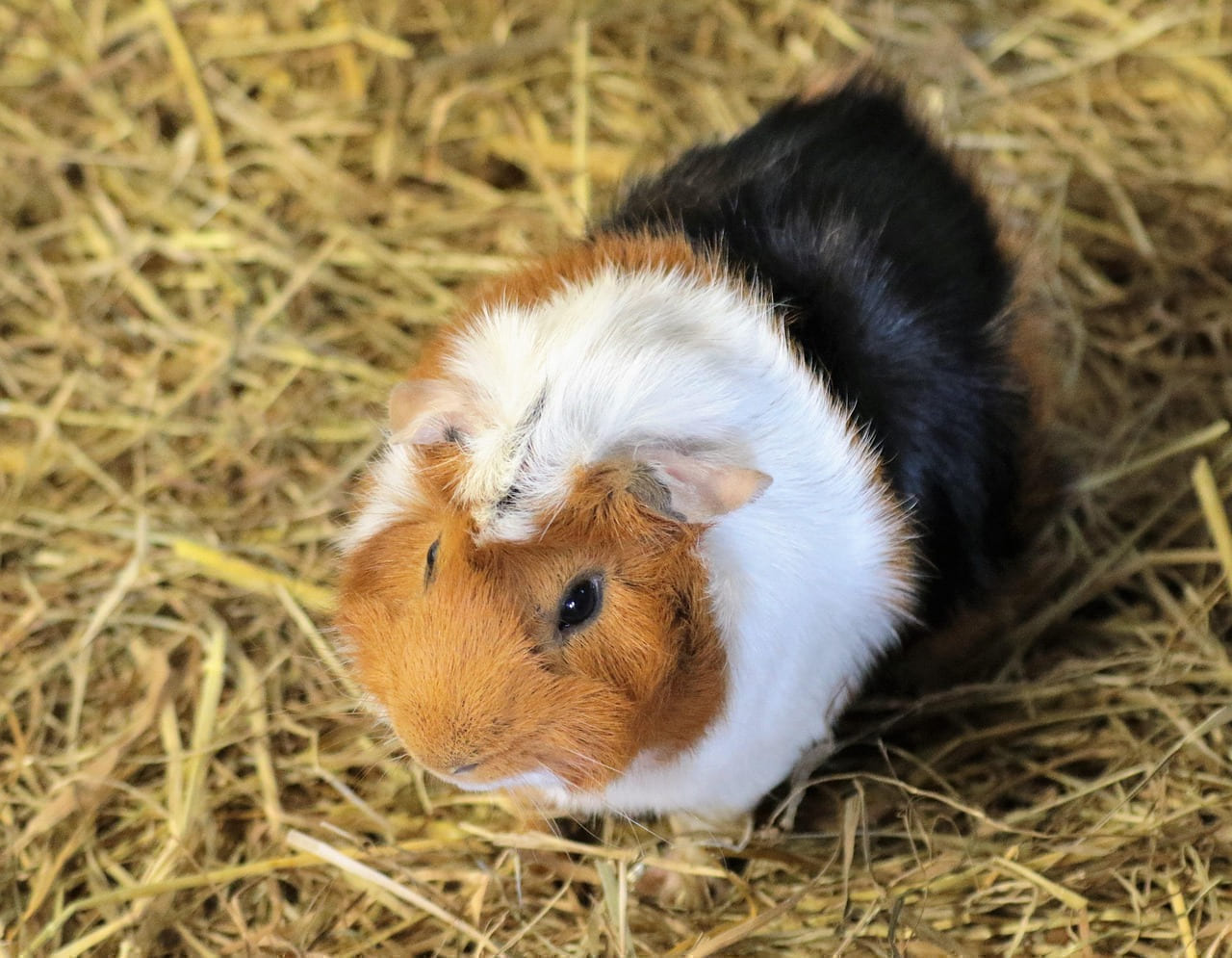
- Hamsters, Guinea Pigs, Rabbits: These small pets are prone to respiratory infections, often caused by poor ventilation, drafts, or exposure to dust and mold. Symptoms include sneezing, nasal discharge, labored breathing, and a wet tail (particularly in rabbits). Maintaining a clean, dry cage with good airflow is crucial. Regularly spot-cleaning the cage and providing fresh, clean bedding are essential.
- Reptiles (Leptospirosis): Reptiles, especially those kept in humid environments, can contract leptospirosis, a bacterial infection that can cause kidney and liver damage. Proper disinfection of enclosures and water sources is vital.
2. Skin and Coat Problems:
- Rabbits: Rabbits are notorious for developing sore hocks - painful ulcers on their feet. This is often due to improper flooring, lack of adequate space, or poor hygiene. Providing soft bedding, regular foot checks, and ensuring they have enough space to move around freely can help prevent this.
- Rodents (Mites & Ringworm): Mites and ringworm are common skin parasites that can cause itching, hair loss, and crusty lesions. Isolate the affected pet, thoroughly clean the cage, and consult your vet for appropriate treatment.
- Geckos (Scale Rot): Improper humidity levels can lead to scale rot, a bacterial infection that damages the gecko's scales. Maintaining a consistent humidity level and providing a clean, moist substrate are key.
3. Digestive Issues:
- Hamsters & Guinea Pigs (Wet Tail): This serious condition causes severe diarrhea and dehydration. It’s often caused by bacterial infections and requires immediate veterinary attention.
- Rabbits (GI Stasis): GI stasis is a condition where the digestive system slows down or stops, leading to pain, loss of appetite, and decreased fecal output. It can be caused by various factors, including dehydration, stress, and underlying medical conditions. Prompt veterinary intervention is crucial.
- Reptiles (Immobility Syndrome): This is a complex condition affecting many reptile species, particularly Leopard Geckos, and is characterized by lethargy, muscle atrophy, and reduced mobility. The exact cause is still unknown, but it's often linked to environmental factors and genetics.
4. Dental Problems:
* All Small Pets: Dental disease is incredibly common in small pets, leading to tooth decay, gum inflammation, and even tooth loss. Regularly brushing your pet's teeth (with pet-specific toothpaste) and providing appropriate chew toys can help prevent dental issues. Your vet can also perform professional dental cleanings.
5. Eye Problems:
- Reptiles (Eye Discharge & Ulcers): Reptiles are susceptible to eye discharge, corneal ulcers, and other eye infections. Maintaining proper humidity levels and ensuring the enclosure is clean can help prevent these issues.
- Rodents (Pink Eye): Pink eye, or conjunctivitis, is an inflammation of the conjunctiva (the membrane lining the eyelids). It can be caused by bacterial or viral infections.
6. Behavioral Changes - A Potential Sign of Illness
Don't ignore sudden changes in behavior! Lethargy, hiding, loss of appetite, excessive grooming, or aggression can all be signs of underlying illness. Pay close attention to your pet's normal behavior and report any changes to your veterinarian immediately.
Preventative Care: The Best Medicine
Prevention is always better than cure! Here are some key preventative measures you can take:
- Regular Veterinary Check-Ups: Annual or semi-annual check-ups are essential for early detection of health problems.
- Proper Nutrition: Feed your pet a high-quality diet formulated for their species and age.
- Clean Environment: Maintain a clean and hygienic living environment.
- Stress Reduction: Minimize stress in your pet's life by providing a stable routine, a safe and comfortable environment, and plenty of enrichment.
- Quarantine New Arrivals: Always quarantine new pets for at least 30 days before introducing them to existing pets to prevent the spread of disease.
Final Thoughts
Taking care of a small pet is a commitment, but it’s a rewarding one. By understanding common health concerns and prioritizing preventative care, you can help your little friend live a long, healthy, and happy life. Remember, your veterinarian is your partner in providing the best possible care - don’t hesitate to reach out with any questions or concerns.
Pick the easiest win first
Most people get better results with Little Critter Health: What You Need to Know when they narrow the decision to one real problem. That could be saving time, trimming cost, reducing friction, or making the routine easier to keep up.
This usually gets easier once you make a short list of priorities. A tighter list tends to produce better decisions than trying to solve every possible problem at once.
Another useful filter is asking what you would still recommend if the budget got tighter, the schedule got busier, or the setup had to be easier for someone else to manage. The answers to that question usually reveal which advice is durable and which advice only works under ideal conditions.
The tradeoff most people notice late
One common mistake with Little Critter Health: What You Need to Know is expecting every option to solve the whole problem. In reality, some choices are better for convenience, some for reliability, and some simply for keeping the budget under control.
Before spending more, it is worth checking the setup, upkeep, and learning curve. Small hassles matter here because they are usually what decide whether something stays useful or gets ignored.
It is easy to underestimate how much clarity comes from removing one unnecessary layer. In practice, trimming one complication often does more for Little Critter Health: What You Need to Know than adding one more feature, one more product, or one more clever workaround.
What makes this easier to live with
The options that age well are usually the ones that are easy to repeat. Reliability and low hassle often matter more than the most impressive-looking feature list.
In a topic like Small pets and beginner-friendly exotic pets, manageable almost always beats impressive. If something is simple enough to keep using, it is usually doing more real work for you.
Readers usually get better results when they treat advice as something to test and refine, not something to obey perfectly. That mindset creates room for real judgment, which is often the difference between content that sounds smart and guidance that is actually useful.
Keep This Practical
Good pet decisions tend to be simple, observant, and consistent. Focus on one change that improves your animal's environment or routine, then watch how they respond before adding more.
Tools Worth A Look
The products here make the most sense when they support calmer, safer, or more enjoyable care for the animal in front of you.
- Ameritex Waterproof Blanket Reversible Dog Bed Cover Pet Blanket for Furniture Bed Couch SofaHanging QR Code Pet ID Tag, Large Gold Dog Tag, Cat Tag, Custom Profile, Includes Free Pet Management App, Durable, Smart Dog TagFreshwater Aquarium Made Easy: Unlock Expert Tips, Brilliant Aquascape Ideas, and Beginner-Friendly Steps to Bild a Healthy Beautiful AquariumDogtra CUE Gen 2 Tan – Customizable E-Collar for Dogs Training Collar with Remote – Easy, Safe, Beginner-Friendly Design – 99 Levels, Vibration
Some of the links on this page are Amazon affiliate links, which means I may earn a small commission if you make a purchase through them. As an Amazon Associate, I earn from qualifying purchases.
Related ReadingMore from Little Critter Guide
Tiny Pets: Your Beginner’s FAQ
and Beginner-Friendly Exotic Pets Guide FAQ Tiny Pets: Your Beginner can be easier to approach when you start with a few practical basics. Bringing a little.
Small Pets: Your Checklist Starts Here
can be easier to approach when you start with a few practical basics. * Substrate: This is the bedding - it needs to be safe, absorbent, and appropriate for your.
Small Pets & New Adventures: Budget Ideas
and Beginner-Friendly Exotic Pets - A Budget-Friendly Guide Bringing a new pet into your life is a wonderful experience, filled with companionsh...