Remember that feeling when you first welcomed a pet into your home? It’s a mix of excitement and maybe a little bit of “wow, this is a lot!” Getting a new companion, whether it’s a tiny goldfish or a captivating dart frog, is a big step. And let’s be honest, there’s a ton of information out there, which can feel a little overwhelming. That’s where the Little Critter Guide comes in. We’re here to help you handle the basics of caring for small pets and some of the more unique exotic creatures, focusing on creating a good foundation for a happy, healthy life together. Let’s break down what you need to know, from picking the right animal to ensuring they thrive.
Choosing Your New Friend: Finding the Right Fit (Small Pets)
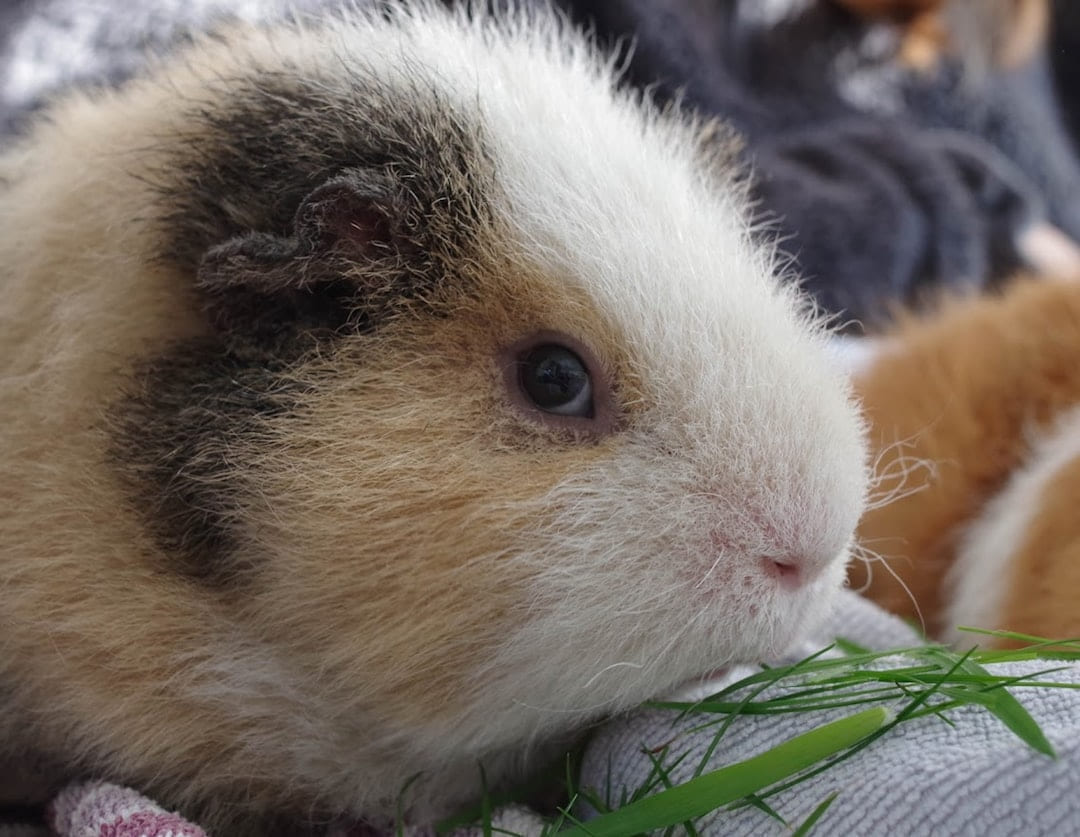
Not all small pets are the same. A goldfish has very different needs than a crested gecko, for example. When you’re just starting out, it’s really important to choose a species that fits your lifestyle and what you’re comfortable with. Animals like hamsters, rabbits, and guinea pigs are often recommended for beginners - they’re relatively straightforward to care for, needing daily feeding, regular cage cleaning, and a little bit of social interaction. But even these common pets require consistent attention and a genuine commitment to their well-being. Now, let’s explore some of the more interesting options - beginner-friendly exotic pets. These animals can be incredibly rewarding, offering a unique connection, but they do require a bit more research and specialized care. Dart frogs, for instance, are beautiful amphibians that need a humid, bioactive terrarium. Axolotls, with their perpetually smiling faces, are fascinating to watch in an aquatic environment. Certain invertebrates, like stick insects and millipedes, can be surprisingly engaging pets, needing minimal space and a relatively low-maintenance setup. in practice, the best choice depends on a few key things. How much time do you realistically have to dedicate to their care? Exotic pets often need more time for enclosure maintenance and enrichment. Budget is another factor - setting up a bioactive habitat for frogs, for example, can be a bigger initial investment than a hamster cage. Living space matters too - a hamster can be happy in a smaller cage, while a dart frog needs a much larger terrarium. And finally, your experience level plays a role. While a hamster is generally pretty easy to care for, a dart frog requires a deeper understanding of amphibian needs. To help you visualize these differences, we’ve put together a species comparison chart - you can find it here: the recommendations below. This chart breaks down important aspects like space requirements, dietary needs, and how long they typically live.
Setting Up Their Home: Essentials for a Happy Habitat
Once you’ve decided on your pet, it’s time to create their home. A well-prepared habitat is absolutely crucial for their health and happiness. Let’s look at the details. Habitat Size: This isn’t a one-size-fits-all answer. A single hamster needs at least 450 square inches of floor space, while a rabbit should have at least 8 square feet to explore. Dart frogs, on the other hand, need a terrarium that’s at least 24” x 18” x 18”. Don’t underestimate the importance of space - cramped conditions can cause stress and lead to behavioral problems. Substrate Selection: The substrate, or bedding, is where your pet will interact with their environment. For hamsters and rabbits, paper-based bedding or aspen shavings are often good choices. For dart frogs, a bioactive substrate is highly recommended. This involves creating a layered system with drainage, charcoal, and a “living” layer of beneficial bacteria and plants that naturally filter the water and maintain humidity. Using traditional substrates like reptile carpet or clay can be problematic, as they can trap moisture and lead to bacterial growth. Temperature & Humidity: Maintaining the correct temperature and humidity is critical. Hamsters need a temperature range of 65-75°F. Rabbits can tolerate slightly cooler temperatures. Dart frogs require a consistently high humidity level, typically 70-80%, which is achieved through misting and a humid hide. Axolotls need cooler water temperatures, ideally between 60-68°F. Lighting Needs: Many small pets, including hamsters and rabbits, need a regular day/night cycle. A simple incandescent bulb can provide this. Dart frogs and axolotls benefit from UVB lighting, which is essential for vitamin D3 synthesis and calcium absorption. Heat lamps might be needed for certain species, but always use them with caution and ensure they don’t pose a fire hazard. .
Fueling Their Life: Diet & Nutrition
A healthy diet is the foundation of your pet’s well-being. Let’s talk about the basics. Commercial Food Options: For hamsters and rabbits, high-quality commercial pellets should form the core of their diet. Supplement this with fresh vegetables and occasional treats. Dart frogs require a specialized diet of live insects, carefully sourced and gut-loaded with nutritious foods. Axolotls are carnivores and should be fed live or frozen bloodworms, brine shrimp, and other aquatic invertebrates. Live Food Requirements: If you’re keeping dart frogs or axolotls, sourcing live food can take some effort. Always purchase from reputable suppliers and ensure the insects are healthy and free of parasites. Gut-loading - feeding the insects nutritious foods before feeding them to your pet - is really important. Supplementation: Many commercial pet foods don’t contain all the vitamins and minerals your pet needs. A calcium supplement is particularly important for reptiles and amphibians. Talk to a veterinarian to determine the best supplementation strategy for your pet’s specific needs. Foods to Avoid: Chocolate, onions, garlic, and avocado are toxic to many small pets. Grapes and raisins can be harmful to dogs. Always research the potential toxicity of any food before offering it to your pet.
Keeping Them Happy & Healthy: Enrichment & Veterinary Care
A stimulating environment and regular veterinary care are just as important as a good diet. Enrichment Strategies: Boredom can lead to stress and unwanted behaviors. Provide your pet with plenty of toys, puzzles, and opportunities to explore. Hamsters love tunnels and chew toys. Rabbits enjoy digging boxes and foraging for treats. Dart frogs need climbing opportunities and hiding places. Axolotls appreciate a varied environment with plants and rocks to explore. Recognizing Illness: It’s important to learn to recognize the signs of illness. Lethargy, loss of appetite, changes in droppings, and difficulty breathing can all be warning signs. Finding a Specialized Vet: It’s crucial to find a veterinarian experienced with the specific species you’ve chosen. General practice vets may not have the expertise to diagnose and treat exotic pet illnesses. Preventative Care: Vaccinations, parasite control, and regular check-ups are essential for maintaining your pet’s health.
Thinking Ahead: Legality and Long-Term Plans
Bringing a pet home is a long-term commitment. Before you get started, make sure you understand the local and national regulations. Some species might require permits or licenses. Always source your pet responsibly, avoiding unethical breeders. And remember to consider the lifespan of your pet - hamsters typically live 2-3 years, rabbits 8-12 years, and dart frogs 10-15 years.
Conclusion
Bringing a small pet or beginner-friendly exotic pet into your life can be a truly rewarding experience. By focusing on their specific needs and creating a loving, stimulating environment, you can help them thrive. Don't hesitate to do further research, connect with other keepers, and, most importantly, talk to a veterinarian. You’ve got this! the recommendations below the recommendations below
Keep This Practical
If this topic matters to your pet right now, keep the next step calm and practical. A small improvement in safety, enrichment, or routine often makes a bigger difference than buying more at once.
Tools Worth A Look
These picks are most helpful when they improve pet safety, comfort, enrichment, or day-to-day care without adding unnecessary complexity.
- Exotic Pets: Practical Pet Care HandbookFELIWAY® Optimum 30 Day Cat Calming Plug In Pheromone Diffuser Starter Kit, 48mlThe Complete Guide to Bearded Dragon Care and OwnershipGLADOG Professional 5 in 1 Dog Grooming Scissors Set with Safety Round Tips, Sharp and Heavy-duty Pet Grooming Shears for CatsFELIWAY Optimum Cat, Enhanced Calming Pheromone Diffuser: 1 Diffuser and 2 Refills (60 Days)
Some of the links on this page are Amazon affiliate links, which means I may earn a small commission if you make a purchase through them. As an Amazon Associate, I earn from qualifying purchases.
Related ReadingMore from Little Critter Guide
Tiny Pets: Your Beginner’s FAQ
and Beginner-Friendly Exotic Pets Guide FAQ Tiny Pets: Your Beginner can be easier to approach when you start with a few practical basics. Bringing a little.
Small Pets: Your Checklist Starts Here
can be easier to approach when you start with a few practical basics. * Substrate: This is the bedding - it needs to be safe, absorbent, and appropriate for your.
Small Pets & New Adventures: Budget Ideas
and Beginner-Friendly Exotic Pets - A Budget-Friendly Guide Bringing a new pet into your life is a wonderful experience, filled with companionsh...