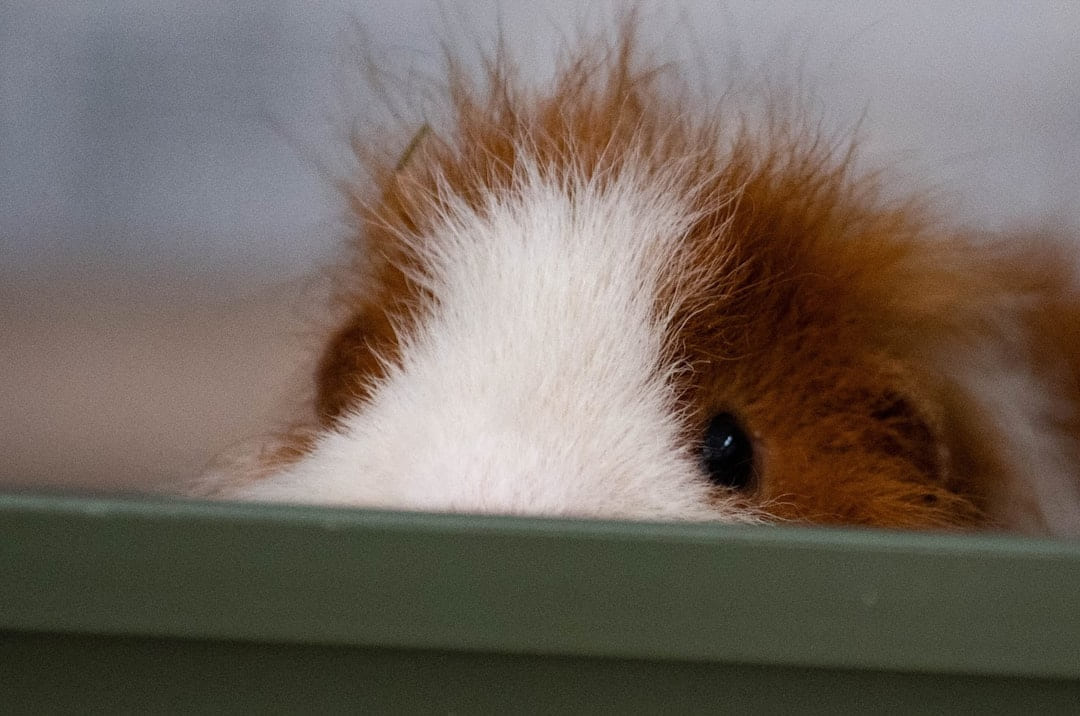
The Foundation: Setting Up a Proper Habitat (Small Pet Care)
Before you even think about treats or toys, the right habitat is absolutely crucial. A rushed or poorly planned setup can lead to stress, illness, and a miserable life for your pet. Let’s break down the key elements:
1. Size Matters (Seriously!)
This is probably the most frequent mistake we see. Many people underestimate the space their small pet needs. A cramped cage isn’t just uncomfortable; it can be dangerous for their physical and mental health. For example, a hamster in a tiny plastic cage has no room to burrow, explore, or exercise. A gerbil needs a large enclosure with plenty of tunnels and hiding spots. Research your specific species' needs - a leopard gecko needs a much larger terrarium than a crested gecko, even if they’re both relatively small. A good rule of thumb is to aim for at least twice the animal's length and width in enclosure space.
2. Substrate & Bedding: Comfort & Hygiene
The substrate (the material on the bottom of the enclosure) plays a vital role in your pet’s comfort and hygiene. Avoid cedar or pine shavings - the oils are toxic to many small animals. Good options include paper-based bedding, aspen shavings (kiln-dried), or fleece liners. For reptiles, bioactive setups using a substrate like coconut fiber or a bioactive mix are becoming increasingly popular, allowing for a more natural and self-cleaning environment. Regular spot cleaning is essential, and a full substrate change should be done regularly, depending on the species and the type of bedding used. Don't over-clean - maintaining a small amount of familiar scent is important for reducing stress.
3. Enrichment: More Than Just a Wheel
A wheel is a classic hamster accessory, but it’s just the tip of the iceberg. Small pets need mental and physical stimulation. Provide a variety of toys - chew toys, digging boxes, climbing structures (for arboreal species), and puzzle feeders. Rotate toys regularly to keep things interesting. Consider creating different “zones” within the enclosure - a digging area, a hiding spot, a foraging area. For reptiles, live plants (safe ones!) and rocks can create a more natural and stimulating environment.
Feeding for Success: Nutrition & Hydration
Proper nutrition is the cornerstone of a healthy small pet. Don’t just buy the cheapest food available - quality matters. And remember, “small” doesn’t mean “limited.”
4. Species-Specific Diets
Hamsters need a high-fiber diet, while rabbits require a diet rich in fresh greens. Reptiles have vastly different nutritional needs than amphibians. Research your pet’s specific dietary requirements thoroughly. A general seed mix is rarely sufficient; supplementation with fresh vegetables and fruits is often necessary. For example, a crested gecko needs a diet primarily consisting of insects, while a leopard gecko can thrive on a more varied diet including insects and vegetables.
5. Avoiding Common Feeding Mistakes
Overfeeding is a huge problem. Many owners give too much food, leading to obesity and related health issues. Always follow the feeding guidelines provided by the food manufacturer, and adjust based on your pet’s activity level and body condition. Never feed your pet human food, especially chocolate, onions, garlic, or grapes - these can be toxic. Always provide fresh, clean water. A water bottle or shallow dish should be readily available. Change the water daily.
6. Supplementation - When and How
While a balanced diet is key, certain species may benefit from supplementation. Calcium and vitamin D3 are particularly important for reptiles. However, don't just randomly add supplements - consult with a veterinarian experienced in small animal care to determine if supplementation is necessary and what dosage is appropriate.
Health & Hygiene: Recognizing Problems Early
Regular observation is crucial for detecting health problems early. Knowing what’s “normal” for your pet is just as important as knowing what’s abnormal.
7. Daily Check-Ups
Spend a few minutes each day observing your pet’s behavior, appetite, and droppings. Look for signs of illness, such as lethargy, loss of appetite, diarrhea, or changes in stool consistency. For reptiles, monitor their shedding process and look for signs of infection. Pay attention to their breathing - labored breathing can be a sign of serious problems.
8. Common Health Issues & What to Do
Small pets are prone to specific health issues. Hamsters are susceptible to wet tail, a bacterial infection that causes severe diarrhea. Reptiles can develop respiratory infections or scale rot. Sugar gliders are prone to diabetes. Learn to recognize the symptoms of these common illnesses and seek veterinary care immediately if you suspect something is wrong. Don't try to diagnose or treat your pet yourself - a qualified veterinarian is essential.
9. Hygiene: Keeping Your Critter Clean
Regular cleaning of the enclosure is essential for preventing the spread of disease. Spot clean daily and perform a full substrate change regularly. Groom your pet regularly, especially long-haired species. Provide a dust bath for guinea pigs and rabbits to help them maintain healthy skin and coats.
Beyond the Basics: Enrichment & Socialization
Once you’ve covered the fundamentals, it’s time to think about enriching your pet’s life and providing opportunities for socialization (where appropriate). Many small animals, like rabbits and guinea pigs, are social creatures and thrive when kept in pairs or groups. Hamsters and gerbils can sometimes be housed together, but careful introductions are necessary to avoid fighting. Provide opportunities for your pet to explore, play, and interact with you - this will strengthen your bond and contribute to their overall well-being.
Small pet care can be incredibly rewarding, but it’s also a significant responsibility. By avoiding these common mistakes and prioritizing your pet’s needs, you can ensure a long, happy, and healthy life for your little critter. If you have any questions or concerns, don’t hesitate to consult with a veterinarian or a reputable small animal specialist.
Pick the easiest win first
Most people get better results with Small Pet Care: Avoiding Common Mistakes when they narrow the decision to one real problem. That could be saving time, trimming cost, reducing friction, or making the routine easier to keep up.
This usually gets easier once you make a short list of priorities. A tighter list tends to produce better decisions than trying to solve every possible problem at once.
Another useful filter is asking what you would still recommend if the budget got tighter, the schedule got busier, or the setup had to be easier for someone else to manage. The answers to that question usually reveal which advice is durable and which advice only works under ideal conditions.
The tradeoff most people notice late
One common mistake with Small Pet Care: Avoiding Common Mistakes is expecting every option to solve the whole problem. In reality, some choices are better for convenience, some for reliability, and some simply for keeping the budget under control.
Before spending more, it is worth checking the setup, upkeep, and learning curve. Small hassles matter here because they are usually what decide whether something stays useful or gets ignored.
It is easy to underestimate how much clarity comes from removing one unnecessary layer. In practice, trimming one complication often does more for Small Pet Care: Avoiding Common Mistakes than adding one more feature, one more product, or one more clever workaround.
Keep This Practical
If this topic matters to your pet right now, keep the next step calm and practical. A small improvement in safety, enrichment, or routine often makes a bigger difference than buying more at once.
Tools Worth A Look
These picks are most helpful when they improve pet safety, comfort, enrichment, or day-to-day care without adding unnecessary complexity.
- BESNEW Natural Rubber Squeaker Toys for Ferret,High Elasticity Ferret Latex Squeaker Balls 3 Pack20ft Dog Tie Out Cable with 16" Chrome Plated Anti-Rust StakeHOLLAND LOP RABBITS: YOUR ESSENTIAL GUIDE TO CARE AND COMPANIONSHIP: “Everything You Need to Raise a Happy Pet.”Pawsitive Clicks: Teach, Play, Bond by Clicker Training Your Cat: a Positive Reinforcement Approach
Some of the links on this page are Amazon affiliate links, which means I may earn a small commission if you make a purchase through them. As an Amazon Associate, I earn from qualifying purchases.
Related ReadingMore from Little Critter Guide
The Starter Habitat Mistakes New Small Pet Owners Make First
A practical guide to the most common starter-habitat mistakes that leave small pets stressed, under-stimulated, or harder to care for well.
Tiny Pets: Your Beginner’s FAQ
and Beginner-Friendly Exotic Pets Guide FAQ Tiny Pets: Your Beginner can be easier to approach when you start with a few practical basics. Bringing a little.
Small Pets: Your Checklist Starts Here
can be easier to approach when you start with a few practical basics. * Substrate: This is the bedding - it needs to be safe, absorbent, and appropriate for your.