For Small Pet Care FAQs, the practical goal is to connect the idea to choices that fit your time, budget, and comfort level.
Hi there, and welcome to the Little Critter Guide! My name is Justin Merritt, and I’ve spent the last decade helping people build happy, healthy homes for their small animal companions. Let’s be honest - jumping into pet ownership, especially with something a little different, can feel overwhelming. There’s a lot of information out there, and it’s easy to get lost in fancy setups and complicated diets. That’s why I’m here to cut through the noise and give you the solid, practical foundation you need to succeed. This guide is geared towards beginners, focusing on small pets - think hamsters, guinea pigs, rabbits, rats, gerbils, and even some smaller reptiles and amphibians - and prioritizing realistic, achievable care.
Choosing Your Critter: A Realistic Start (Small Pet Care)
Hamsters & Gerbils: These are generally the easiest starting point. They’re relatively low-maintenance, enjoy a simple cage setup, and don’t require a huge amount of interaction. However, they’re nocturnal, so expect activity primarily at night. A good starter cage should be at least 450 square inches of floor space.
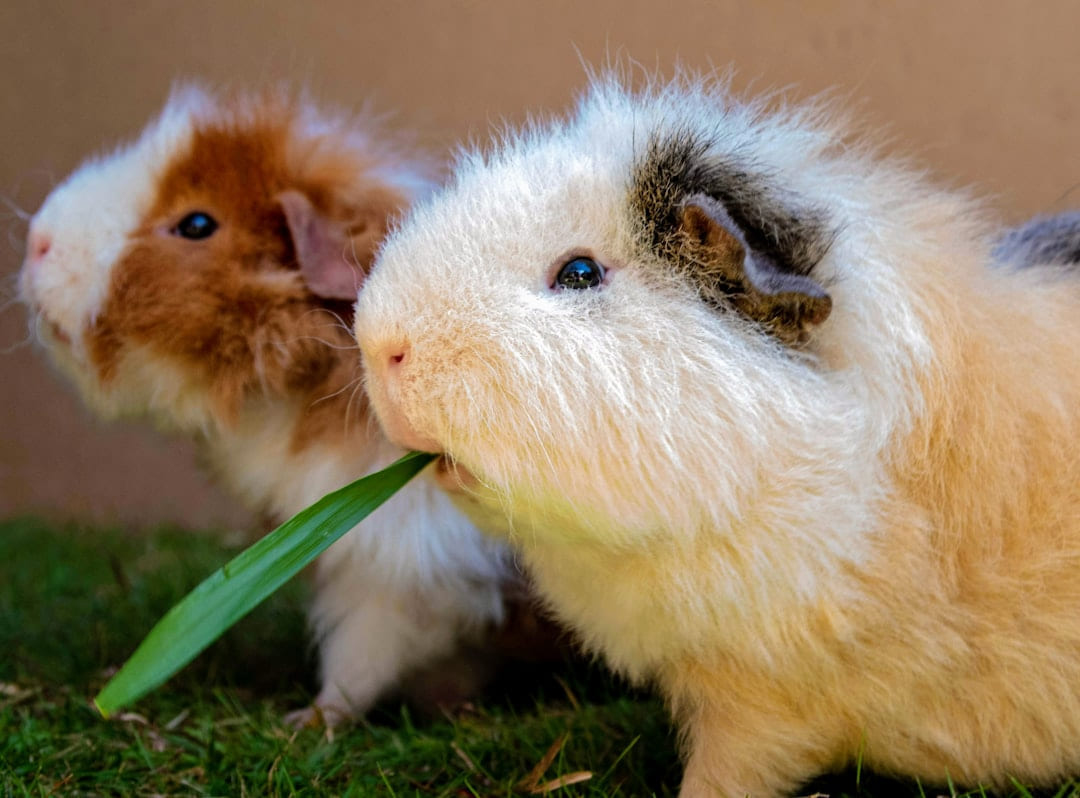
Guinea Pigs: These social little guys are adorable and relatively easy to care for, but they need a larger cage and a companion. They also require daily fresh vegetables and a constant supply of hay. Minimum cage size: 7.5 square feet.
Rats & Mice: Intelligent and social, rats and mice can be wonderful pets. They need more mental stimulation than hamsters and enjoy interaction. They also require a larger cage and regular cleaning. A good starting cage should be at least 36" x 18" x 18".
Small Reptiles & Amphibians (Leopard Geckos, Crested Geckos, Frogs): These require more specialized care, including specific temperature and humidity levels, appropriate lighting, and a varied diet. Research is crucial before bringing one of these home. Start with a bioactive setup - a self-sustaining ecosystem within the terrarium - to simplify maintenance.
Habitat Essentials: Creating a Safe Space
A proper habitat is the cornerstone of good small pet care. It’s not just a cage; it’s a miniature world designed to meet your pet’s needs. Here’s what you absolutely need:
- Cage/Tank Size: As mentioned above, size matters. Bigger is generally better, allowing for more enrichment and reducing stress.
- Substrate: This is the material on the bottom of the cage. Paper-based bedding is a good option for hamsters and gerbils. Fleece liners are excellent for guinea pigs and rabbits, as they’re washable and comfortable. Reptiles and amphibians require specialized substrates like coco fiber or bioactive mixes.
- Hiding Places: Every pet needs a safe space to retreat to. Provide several hides - tubes, boxes, or plants - where they can feel secure.
- Enrichment: Boredom leads to behavioral problems. Offer toys, tunnels, chew items, and opportunities for exploration. For rabbits, a cardboard box is a simple but effective enrichment tool.
- Water Source: A heavy ceramic bowl is ideal for guinea pigs and rabbits, as it’s difficult for them to tip over. Bottles are better for hamsters and gerbils.
- Food Bowl: Choose a sturdy bowl that won’t tip over easily.
Feeding Your Little Friend: Nutrition Matters
Proper nutrition is vital for your pet’s health and longevity. Don’t just buy the cheapest food you can find. Read labels carefully and choose a diet specifically formulated for your pet’s species.
- Hamsters & Gerbils: Seed mixes should be a base, supplemented with small amounts of fresh vegetables and occasional protein sources (mealworms, cooked chicken).
- Guinea Pigs: A high-quality Timothy hay should make up 80% of their diet, supplemented with fresh vegetables (especially leafy greens), a small amount of pellets, and limited amounts of fruit.
- Rats & Mice: A commercial rat/mouse block should be the primary food source, supplemented with fresh vegetables, fruits, and occasional protein.
- Reptiles & Amphibians: Diets vary greatly depending on the species. Insects are often a staple for many reptiles, while amphibians require a diet of live or frozen insects and/or plant matter.
Important Note: Always provide fresh, clean water. Change the water daily, and clean the water source regularly to prevent bacterial growth.
Basic Hygiene & Health
Maintaining good hygiene is essential for preventing illness. Regular cleaning is key.
- Daily Spot Cleaning: Remove soiled bedding and food scraps daily.
- Weekly Cage Cleaning: Thoroughly clean the entire cage or tank at least once a week, using a pet-safe disinfectant.
- Grooming: Rabbits and guinea pigs require regular brushing to prevent matting.
- Veterinary Care: Find a veterinarian experienced with small animals. Schedule regular checkups and be proactive about addressing any health concerns. Signs of illness include lethargy, loss of appetite, changes in droppings, and difficulty breathing.
Safety First: Protecting Your Pet
Small pets can be surprisingly fragile. Here are some common hazards to be aware of:
- Toxic Plants: Many common houseplants are poisonous to small animals. Research which plants are safe before bringing them into your home.
- Electrical Cords: Cover or hide electrical cords to prevent chewing.
- Small Objects: Remove any small objects that your pet could swallow.
- Household Chemicals: Store cleaning supplies and other chemicals out of reach.
- Predators: Keep your pet safely contained and away from potential predators (cats, dogs).
Finally, remember that owning a small pet is a commitment. Do your research, be prepared to provide the necessary care, and enjoy the unique companionship of your new friend. If you’re unsure about anything, don’t hesitate to consult with a veterinarian or experienced small animal owner.
Focus on the part that solves the problem
In a topic like Small pets and beginner-friendly exotic pets, the strongest starting point is usually the one you will notice and use right away. That is often more helpful than adding extra features too early.
Before spending more, it is worth checking the setup, upkeep, and learning curve. Small hassles matter here because they are usually what decide whether something stays useful or gets ignored.
It is easy to underestimate how much clarity comes from removing one unnecessary layer. In practice, trimming one complication often does more for Small Pet Care FAQs than adding one more feature, one more product, or one more clever workaround.
Where extra features get in the way
Another easy trap is copying a setup that made sense for someone with a different routine, budget, or tolerance for maintenance. In Small pets and beginner-friendly exotic pets, that mismatch is often what makes a promising idea feel frustrating later.
A lot of options sound great until you picture them in a normal week. If the setup is fussy, the routine is easy to forget, or the maintenance is annoying, the appeal fades quickly.
There is also value in keeping one part of the process deliberately simple. Readers often do better when they identify the one decision that carries the most weight and make that choice carefully before they chase smaller optimizations. That keeps momentum steady and usually prevents the topic from turning into clutter.
Keep This Practical
Good pet decisions tend to be simple, observant, and consistent. Focus on one change that improves your animal's environment or routine, then watch how they respond before adding more.
Tools Worth A Look
The products here make the most sense when they support calmer, safer, or more enjoyable care for the animal in front of you.
- PetsPros Simple Pet Care GuidesEMEET 1080P Webcam with Microphone, C960 Web Camera, 2 Mics Streaming Webcam, 90°FOV Computer Camera, Plug and Play USB Web CamHow Shop Like Boss MortgagesThe 2026 Way to Buy a Home in AmericaHome Buying 101: From Mortgages and the MLS to Making the Offer and Moving In
Some of the links on this page are Amazon affiliate links, which means I may earn a small commission if you make a purchase through them. As an Amazon Associate, I earn from qualifying purchases.
Related ReadingMore from Little Critter Guide
Tiny Pets: Your Beginner’s FAQ
and Beginner-Friendly Exotic Pets Guide FAQ Tiny Pets: Your Beginner can be easier to approach when you start with a few practical basics. Bringing a little.
Small Pets: Your Checklist Starts Here
can be easier to approach when you start with a few practical basics. * Substrate: This is the bedding - it needs to be safe, absorbent, and appropriate for your.
Small Pets & New Adventures: Budget Ideas
and Beginner-Friendly Exotic Pets - A Budget-Friendly Guide Bringing a new pet into your life is a wonderful experience, filled with companionsh...