Bringing a small pet into your life is a wonderfully rewarding experience. From the chirps of a budgie to the gentle sway of a leopard gecko, these little companions can bring a huge amount of joy. But before you rush out and adopt, it’s crucial to understand that pet ownership is a serious commitment. It’s not just about cute faces and cuddles; it’s about providing a safe, healthy, and stimulating environment for your new friend. That’s where this Small Pet Care Basics Checklist comes in. We’ll break down the essential elements, ensuring you’re well-prepared to give your little critter the best possible start.
1. Choosing the Right Pet for You
This might seem obvious, but it’s the most important step. Don’t choose a pet based solely on appearance. Research different species thoroughly. Consider your lifestyle, living space, and budget. A Syrian hamster needs a different setup than a crested gecko. A ball python requires a secure, escape-proof enclosure. A sugar glider needs a companion and a very specific diet.
Here’s a quick breakdown of some popular small pets and their general needs:
- Hamsters: Need a spacious cage with bedding, a wheel, and plenty of enrichment.
- Gerbils: Social animals - best kept in pairs or small groups. Require a deep bedding substrate and tunnels.
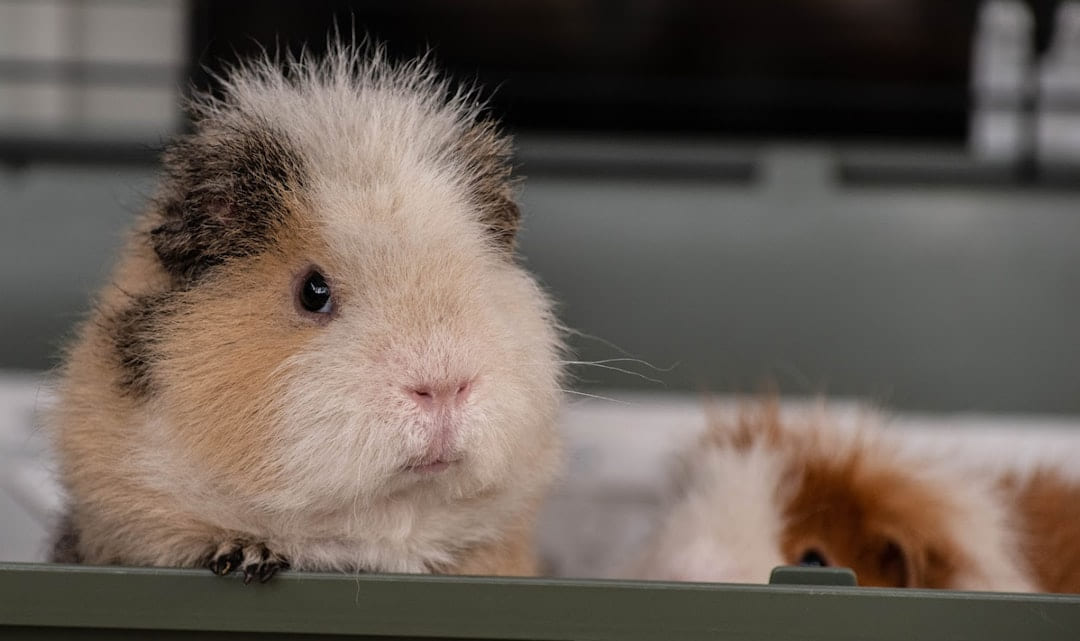
- Guinea Pigs: Need a large cage, daily fresh vegetables, and social interaction.
- Leopard Geckos: Docile reptiles that thrive in a warm, humid terrarium with hiding places.
- Budgies (Parakeets): Need a spacious cage, a varied diet of seeds, pellets, and fresh fruits and vegetables, and plenty of social interaction.
- Sugar Gliders: Highly social and require a large, complex enclosure with branches, pouches, and a specialized diet. (Note: Sugar gliders can be challenging pets and require significant commitment.)
Before you commit, ask yourself:
- Can I afford the initial setup costs (cage, accessories, food)?
- Do I have enough time to dedicate to daily care (feeding, cleaning, interaction)?
- Is my living situation suitable (e.g., are pets allowed)?
- Am I prepared for potential vet bills?
2. Setting Up the Perfect Habitat
A properly set-up habitat is the foundation of your pet’s well-being. It needs to be safe, secure, and comfortable. Let’s look at some key components:
- Enclosure Size: Bigger is always better! Research the minimum recommended size for your chosen pet. Overcrowding leads to stress and health problems.
- Substrate: Choose a substrate appropriate for your pet’s needs. Paper-based bedding is good for hamsters, reptile carpet for geckos, and fleece liners for guinea pigs. Avoid cedar and pine shavings, as they can be harmful.
- Hiding Places: Pets need a secure place to retreat and feel safe. Caves, logs, and plants are all good options.
- Temperature & Humidity: Reptiles and amphibians require specific temperature and humidity levels. Invest in a thermometer and hygrometer to monitor these conditions.
- Lighting: Some pets, like budgies and geckos, need UVB and heat lamps for proper health.
3. Nutrition: Fueling Your Little Friend
A balanced diet is crucial for your pet’s health and longevity. What they eat will vary greatly depending on the species. Here are some general guidelines:
- Commercial Diets: High-quality commercial diets formulated for your specific pet are often a good starting point.
- Fresh Foods: Many small pets benefit from fresh fruits and vegetables (in moderation).
- Supplements: Some pets require vitamin supplements. Consult with a veterinarian to determine if your pet needs them.
- Water: Always provide fresh, clean water.
Example: A Leopard Gecko needs a diet primarily consisting of insects (crickets, mealworms) supplemented with calcium and vitamin D3. A budgie needs a seed-based diet supplemented with fresh vegetables and fruits daily.
4. Cleaning & Hygiene: Keeping it Spotless
Regular cleaning is essential to prevent illness and maintain a healthy environment. The frequency of cleaning will depend on your pet’s species and the size of their enclosure.
- Daily Spot Cleaning: Remove soiled bedding, droppings, and food scraps.
- Weekly Deep Cleaning: Thoroughly clean the entire enclosure with a pet-safe disinfectant.
- Regular Cage Maintenance: Replace bedding regularly.
5. Enrichment & Socialization: Keeping Them Happy
Small pets are intelligent creatures and need mental and social stimulation. Boredom can lead to behavioral problems.
- Toys: Provide a variety of toys to keep them entertained.
- Interaction: Spend time interacting with your pet - talking, playing, and handling them gently.
- Socialization (where appropriate): Some pets, like guinea pigs and budgies, thrive on social interaction with other members of their species.
- Environmental Enrichment: Change up their environment regularly - rearrange their cage, add new toys, or provide different textures.
6. Veterinary Care: Staying Healthy
Regular veterinary checkups are crucial for preventative care. Find a veterinarian who specializes in small animals. Schedule annual checkups and be prepared for potential illnesses or injuries.
Common health issues in small pets include:
- Respiratory infections
- Parasites
- Skin problems
- Nutritional deficiencies
7. Small Pet Care Basics Checklist - Quick Reference
To help you stay organized, here’s a quick checklist:
- [ ] Choose the right pet for your lifestyle.
- [ ] Set up a suitable habitat.
- [ ] Provide a balanced diet.
- [ ] Maintain a clean environment.
- [ ] Offer enrichment and socialization.
- [ ] Schedule regular veterinary checkups.
Bringing a small pet into your life is a wonderful adventure. By following this Small Pet Care Basics Checklist, you’ll be well-equipped to provide your new companion with a happy, healthy, and fulfilling life. Remember, responsible pet ownership is a lifelong commitment - enjoy the journey!
Pick the easiest win first
Most people get better results with Small Pet Care: Your Basics Checklist when they narrow the decision to one real problem. That could be saving time, trimming cost, reducing friction, or making the routine easier to keep up.
This usually gets easier once you make a short list of priorities. A tighter list tends to produce better decisions than trying to solve every possible problem at once.
Another useful filter is asking what you would still recommend if the budget got tighter, the schedule got busier, or the setup had to be easier for someone else to manage. The answers to that question usually reveal which advice is durable and which advice only works under ideal conditions.
The tradeoff most people notice late
One common mistake with Small Pet Care: Your Basics Checklist is expecting every option to solve the whole problem. In reality, some choices are better for convenience, some for reliability, and some simply for keeping the budget under control.
Before spending more, it is worth checking the setup, upkeep, and learning curve. Small hassles matter here because they are usually what decide whether something stays useful or gets ignored.
It is easy to underestimate how much clarity comes from removing one unnecessary layer. In practice, trimming one complication often does more for Small Pet Care: Your Basics Checklist than adding one more feature, one more product, or one more clever workaround.
Keep This Practical
The most helpful pet-care changes are usually the ones your animal can feel right away: more comfort, clearer routines, and less daily stress. Start there and build steadily.
Tools Worth A Look
If you want a practical next step for your pet's routine or setup, the recommendations below are the best fit.
- Reptile Realm: 1000 Super Wild Facts About Snakes And LizardsPortable Cat Playpen with Tunnel, 3 in 1 Foldable Puppy Play Pen, Waterproof Bottom, Enclosed 2-Room Separable Pet Tent for Indoor/OutdoorFDJASGY Pet Sling Carrier for Small Dogs Cats,Breathable Mesh Travelling Hand Free Puppy Backpack with Pouch and Adjustable Strap CarrierThe Complete Guide to Persian Cats: Preparing for, Raising, Training, Feeding, Grooming, and Socializing Your New Persian Cat or KittenPawSono Lick-Safe Dog Paw & Nose Balm with Coconut Oil
Some of the links on this page are Amazon affiliate links, which means I may earn a small commission if you make a purchase through them. As an Amazon Associate, I earn from qualifying purchases.
Related ReadingMore from Little Critter Guide
Tiny Pets: Your Beginner’s FAQ
and Beginner-Friendly Exotic Pets Guide FAQ Tiny Pets: Your Beginner can be easier to approach when you start with a few practical basics. Bringing a little.
Small Pets: Your Checklist Starts Here
can be easier to approach when you start with a few practical basics. * Substrate: This is the bedding - it needs to be safe, absorbent, and appropriate for your.
Small Pets & New Adventures: Budget Ideas
and Beginner-Friendly Exotic Pets - A Budget-Friendly Guide Bringing a new pet into your life is a wonderful experience, filled with companionsh...