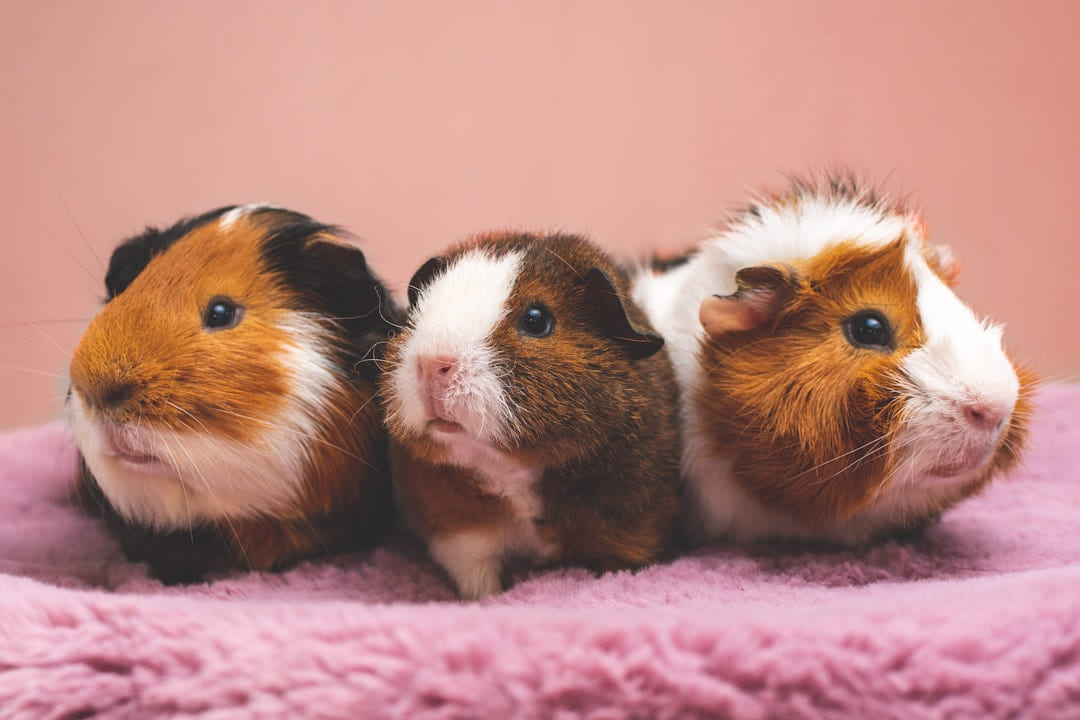
If you are sorting through Small Pets FAQs, start by matching the advice to the problem you are actually trying to solve.
A good rule of thumb is to always err on the side of providing more space and enrichment than you think is necessary. It’s far better to have a slightly larger enclosure with plenty to do than a cramped one with nothing to stimulate them.
Common Small Pets FAQs - Addressing the Worries
Now, let’s tackle some of those frequently asked questions. I’ve heard them all, and I know they can be a source of genuine anxiety.
- “Are they expensive?” Small pets can be surprisingly affordable, but costs can add up. Initial setup - the enclosure, bedding, food bowls - can be a significant investment. Ongoing costs include food, bedding, vet care (essential!), and occasional toys. It's wise to budget realistically.
- “Do they bite?” Many small pets, particularly rabbits and guinea pigs, can bite if they feel threatened or scared. It’s important to learn how to handle them gently and confidently. Slow, deliberate movements and offering a treat can often help. Hamsters and gerbils are generally less prone to biting but can still nip if startled.
- “What if they get sick?” Regular vet checkups are crucial. Find a vet who specializes in small animals. Learn to recognize the signs of illness - changes in appetite, lethargy, diarrhea, difficulty breathing. Early detection is key to successful treatment.
- “How much time do they need?” This varies greatly depending on the species. Hamsters and gerbils are relatively low-maintenance, needing daily spot cleaning and a weekly full clean. Rabbits and guinea pigs require more daily attention - feeding, cleaning, and social interaction.
Real-World Considerations: Tradeoffs and Avoiding Mistakes
It’s not always about finding the perfect pet; sometimes, it’s about making informed choices. Here are a few things to consider:
- Noise Levels: Hamsters and gerbils can be quite vocal, especially at night. Rabbits and guinea pigs can also make noise, particularly when they’re hungry or want attention.
- Lifespan: Rabbits and guinea pigs can live for 8-12 years, while hamsters and gerbils typically live for 2-3 years. This is a significant commitment.
- Social Needs: Some small pets, like rabbits and guinea pigs, are social animals and thrive when kept in pairs or groups. Others, like hamsters, are solitary and should be housed alone.
A common mistake I see is people buying a pet based solely on appearance. It’s wonderful to be drawn to a cute face, but make sure you’re also prepared to meet the animal’s needs. Don't be swayed by elaborate, expensive toys that your pet will likely ignore in favor of a cardboard box. Focus on providing a comfortable, enriching environment and building a trusting relationship - that’s what truly matters.
A Gentle Reminder
Bringing a small pet into your life is a wonderful thing. It’s a chance to experience the joy of companionship and to learn about the beauty and vulnerability of the natural world. Remember, these little creatures depend on us for everything - their safety, their well-being, and their happiness. Approach pet ownership with kindness, compassion, and a genuine desire to provide the best possible life for your new friend. And know that if you ever have questions or concerns, you’re not alone. There’s a whole community of pet lovers out there ready to offer support and guidance.
Start with what you will actually use
With Small Pets FAQs, the first question is usually not which option looks best on paper. It is which part will make day-to-day life easier, smoother, or cheaper once the novelty wears off.
A lot of options sound great until you picture them in a normal week. If the setup is fussy, the routine is easy to forget, or the maintenance is annoying, the appeal fades quickly.
There is also value in keeping one part of the process deliberately simple. Readers often do better when they identify the one decision that carries the most weight and make that choice carefully before they chase smaller optimizations. That keeps momentum steady and usually prevents the topic from turning into clutter.
What tends to get overlooked
Tradeoffs are normal here. Cost, convenience, upkeep, and flexibility do not always line up neatly, so it helps to decide which tradeoff matters least to you before you commit.
This usually gets easier once you make a short list of priorities. A tighter list tends to produce better decisions than trying to solve every possible problem at once.
Another useful filter is asking what you would still recommend if the budget got tighter, the schedule got busier, or the setup had to be easier for someone else to manage. The answers to that question usually reveal which advice is durable and which advice only works under ideal conditions.
How to keep the setup simple
If you want Small Pets FAQs to hold up over time, choose the version you can actually maintain. That can mean spending less, leaving out an attractive extra, or simplifying the setup so it fits ordinary life.
The version that holds up best is usually the one you can live with on an ordinary day. That often matters more than the version that only feels good when you have extra time, energy, or money.
That is why the best next step is often a modest one with a clear upside. You want something specific enough to act on, flexible enough to adjust, and practical enough that you would still recommend it after the first burst of enthusiasm fades.
Focus on the part that solves the problem
In a topic like Small pets and beginner-friendly exotic pets, the strongest starting point is usually the one you will notice and use right away. That is often more helpful than adding extra features too early.
Before spending more, it is worth checking the setup, upkeep, and learning curve. Small hassles matter here because they are usually what decide whether something stays useful or gets ignored.
It is easy to underestimate how much clarity comes from removing one unnecessary layer. In practice, trimming one complication often does more for Small Pets FAQs than adding one more feature, one more product, or one more clever workaround.
Where extra features get in the way
Another easy trap is copying a setup that made sense for someone with a different routine, budget, or tolerance for maintenance. In Small pets and beginner-friendly exotic pets, that mismatch is often what makes a promising idea feel frustrating later.
A lot of options sound great until you picture them in a normal week. If the setup is fussy, the routine is easy to forget, or the maintenance is annoying, the appeal fades quickly.
There is also value in keeping one part of the process deliberately simple. Readers often do better when they identify the one decision that carries the most weight and make that choice carefully before they chase smaller optimizations. That keeps momentum steady and usually prevents the topic from turning into clutter.
Keep This Practical
The most helpful pet-care changes are usually the ones your animal can feel right away: more comfort, clearer routines, and less daily stress. Start there and build steadily.