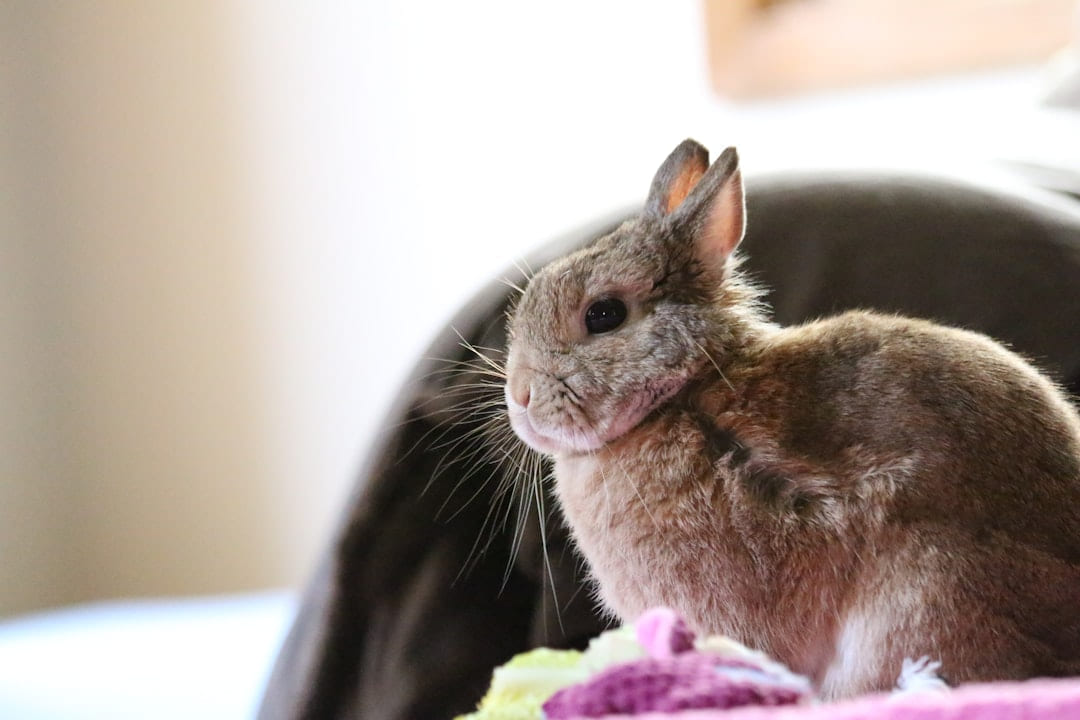
Welcome to the Little Critter Guide! We’re thrilled you’re embarking on the wonderful journey of pet ownership, especially with a small, often wonderfully unique, companion. Bringing a little critter into your life is a rewarding experience, but it’s also a big responsibility. This guide focuses on the fundamental care basics, providing you with the knowledge to ensure your new friend thrives. Let’s dive in!
Choosing the Right Small Pet for You
Before we get into the specifics of care, it's crucial to choose a pet that fits your lifestyle and experience level. “Small” is a relative term, and some small pets require significantly more specialized care than others. Here’s a quick rundown of some popular choices, categorized by their general care needs:
Beginner-Friendly Options
- Hamsters: Syrian hamsters and dwarf hamsters are popular choices. They’re relatively low-maintenance but need a spacious cage, a solid-surface wheel for exercise, and a stimulating environment.
- Gerbils: Social creatures, gerbils thrive in pairs. They enjoy burrowing and need a deep bedding substrate.
- Guinea Pigs: These adorable, social rodents are generally easy to care for and enjoy interaction. They require a larger cage and a daily supply of fresh vegetables.
- Fancy Rats: Often underestimated, rats are intelligent, affectionate, and relatively clean. They need a sizable cage and plenty of enrichment.
More Involved Options (Consider Carefully)
- Leopard Geckos: Docile and fascinating reptiles, leopard geckos are a good choice for beginners who are willing to learn about their specific dietary and environmental needs.
- Sugar Gliders: These nocturnal marsupials are incredibly social and require a large, specialized enclosure and a very dedicated owner.
- Chinchillas: Known for their luxurious fur, chinchillas need a dust bath regularly and are sensitive to heat.
- Hamsters & Gerbils: Minimum 450 square inches of floor space.
- Guinea Pigs: Minimum 7.5 square feet.
- Fancy Rats: Minimum 120 square inches.
- Leopard Geckos: A 20-gallon long tank is a good starting point.
- Hamsters & Gerbils: Seed mixes supplemented with fresh vegetables and occasional fruits.
- Guinea Pigs: High-quality Timothy hay, fresh vegetables (especially leafy greens), and a small amount of pellets.
- Fancy Rats: High-quality rat pellets, fresh vegetables, and occasional fruits.
- Leopard Geckos: A diet consisting primarily of insects (crickets, mealworms) supplemented with calcium and vitamin D3.
- Spot Cleaning: Remove soiled bedding and droppings daily.
- Food & Water Refills: Ensure fresh food and water are always available.
- Cage Maintenance: Clean the cage thoroughly at least once a week, replacing all bedding.
- Interaction & Playtime: Spend time interacting with your pet - talking, petting, or playing.
- Respiratory Infections: Often caused by poor ventilation or stress.
- Dental Disease: Can be prevented with proper dental care and a balanced diet.
- Skin Problems: Can be caused by allergies, parasites, or poor hygiene.
- Impaction: Common in hamsters and gerbils, caused by ingesting too much bedding.
- The Complete Guide to Boykin SpanielsCotton Handmade Dog Collar Cute and Distinctive Patterns White and Pink Love Heart with PendantCibaabo Dog Water Bottle with Food Container, Travel Puppy Water BowlPersonalized Dog Tag with 5 Lines of Custom Deep Engraved Durable Stainless Steel Pet ID Name Tag Designer Regular Size Bone
Some of the links on this page are Amazon affiliate links, which means I may earn a small commission if you make a purchase through them. As an Amazon Associate, I earn from qualifying purchases.
Related ReadingMore from Little Critter Guide
Tiny Pets: Your Beginner’s FAQ
and Beginner-Friendly Exotic Pets Guide FAQ Tiny Pets: Your Beginner can be easier to approach when you start with a few practical basics. Bringing a little.
Small Pets: Your Checklist Starts Here
can be easier to approach when you start with a few practical basics. * Substrate: This is the bedding - it needs to be safe, absorbent, and appropriate for your.
Small Pets & New Adventures: Budget Ideas
and Beginner-Friendly Exotic Pets - A Budget-Friendly Guide Bringing a new pet into your life is a wonderful experience, filled with companionsh...
Essential Housing - Creating a Happy Home
A proper habitat is the foundation of good small pet care. It’s not just about a cage; it’s about creating an environment that meets your pet’s physical and psychological needs. Here’s what to consider:
Cage Size Matters
Don't underestimate the importance of cage size! A cramped cage leads to stress, boredom, and health problems. As a general guideline:
Substrate & Bedding
Choose a safe and absorbent substrate. Avoid cedar and pine shavings, as they can be harmful to small pets’ respiratory systems. Good options include paper-based bedding, fleece liners, or aspen shavings (kiln-dried). Deep bedding is crucial for burrowing animals like hamsters and gerbils.
Enrichment - Keeping Them Stimulated
Small pets need mental and physical stimulation. Provide toys, tunnels, climbing structures, and opportunities for exploration. Rotate toys regularly to keep things interesting. For example, a hamster might enjoy a cardboard tube or a chew toy, while a guinea pig might enjoy a chew stick or a foraging toy filled with treats.
Nutrition - Fueling a Healthy Life
Proper nutrition is vital for your pet’s health and longevity. Here's a breakdown of dietary needs:
Species-Specific Diets
Each small pet has unique nutritional requirements. Research the specific needs of your chosen pet. Generally:
Fresh Water
Always provide access to fresh, clean water. Use a water bottle or a heavy ceramic bowl - avoid shallow dishes that can be easily tipped over.
Daily Care - The Little Things That Matter
Daily routines are key to maintaining your pet’s well-being. These tasks might seem small, but they make a huge difference:
Health & Wellness - Recognizing the Signs
Regularly monitor your pet’s health for any signs of illness. Common signs to watch for include changes in appetite, lethargy, weight loss, diarrhea, sneezing, or difficulty breathing. Establish a relationship with a veterinarian experienced in small animal care. Annual checkups are essential, even if your pet appears healthy. Knowing your pet's normal behavior is crucial for detecting abnormalities. For instance, a normally active hamster suddenly refusing to move or groom itself could indicate a problem.
Common Small Pet Health Issues
While many small pets are relatively healthy, they are prone to certain illnesses. Some common issues include:
This guide provides a starting point for small pet care. Remember that each animal is an individual, and their needs may vary. Continue to research and learn about your specific pet’s requirements, and don't hesitate to consult with a veterinarian or experienced small animal caretaker if you have any concerns. With dedication and care, you and your little critter can enjoy a long and happy life together!
Pick the easiest win first
Most people get better results with Small Pet Care: Starting Right when they narrow the decision to one real problem. That could be saving time, trimming cost, reducing friction, or making the routine easier to keep up.
This usually gets easier once you make a short list of priorities. A tighter list tends to produce better decisions than trying to solve every possible problem at once.
Another useful filter is asking what you would still recommend if the budget got tighter, the schedule got busier, or the setup had to be easier for someone else to manage. The answers to that question usually reveal which advice is durable and which advice only works under ideal conditions.
The tradeoff most people notice late
One common mistake with Small Pet Care: Starting Right is expecting every option to solve the whole problem. In reality, some choices are better for convenience, some for reliability, and some simply for keeping the budget under control.
Before spending more, it is worth checking the setup, upkeep, and learning curve. Small hassles matter here because they are usually what decide whether something stays useful or gets ignored.
It is easy to underestimate how much clarity comes from removing one unnecessary layer. In practice, trimming one complication often does more for Small Pet Care: Starting Right than adding one more feature, one more product, or one more clever workaround.
Keep This Practical
The most helpful pet-care changes are usually the ones your animal can feel right away: more comfort, clearer routines, and less daily stress. Start there and build steadily.
Tools Worth A Look
If you want a practical next step for your pet's routine or setup, the recommendations below are the best fit.