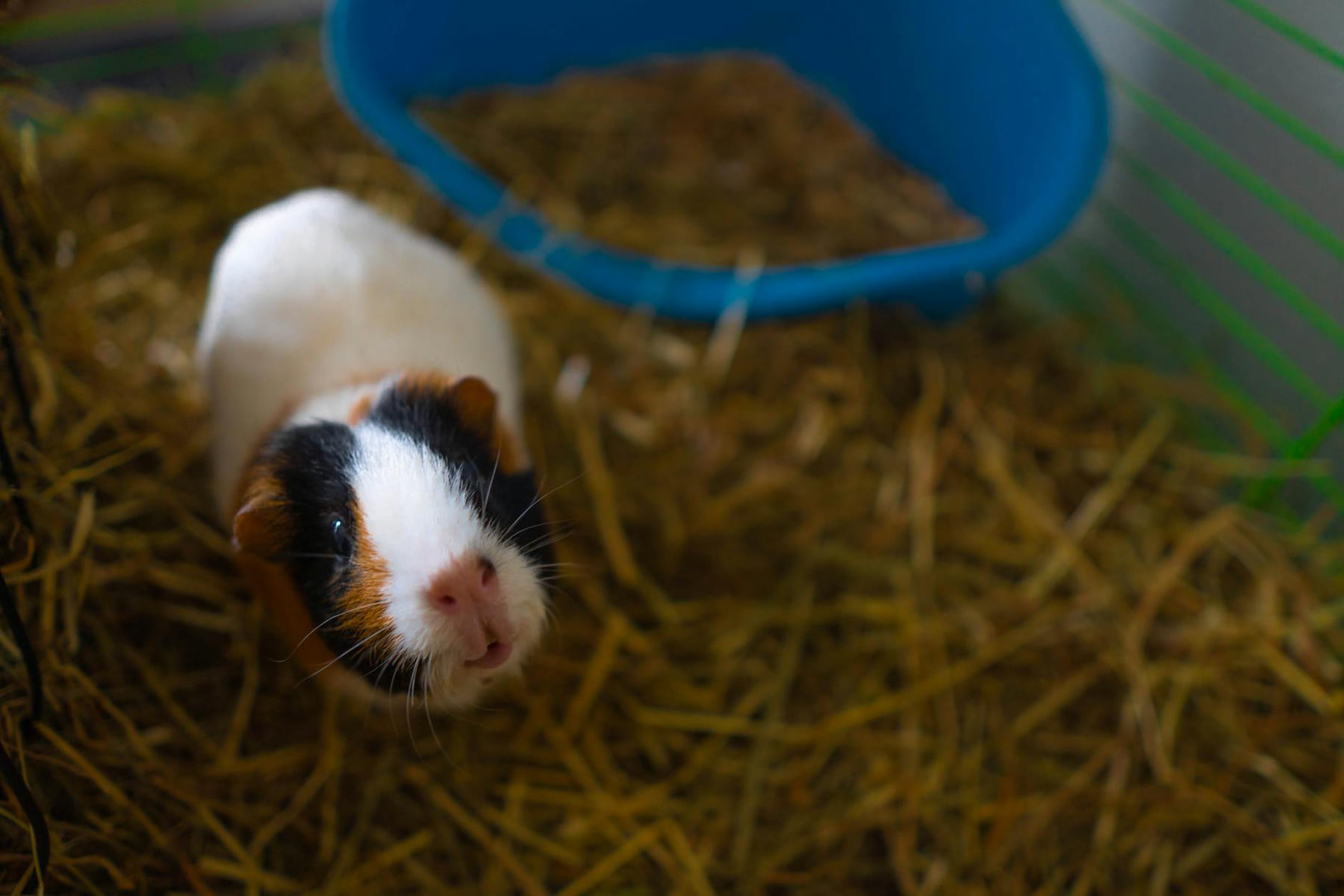
Bringing a new pet into your life is one of the most rewarding experiences. Whether you’ve welcomed a fluffy hamster, a curious gecko, or a vibrant budgie into your home, the joy of companionship is undeniable. However, with that joy comes responsibility - and a crucial need to understand your little critter’s health. As a beginner pet owner, it’s easy to get caught up in the excitement of setting up their new habitat and choosing the perfect toys. But neglecting your pet’s health can lead to serious problems down the road. This guide, designed for Little Critter owners, provides a comprehensive checklist of common health concerns and what you should be looking for. Let’s dive in!
Understanding Your Pet’s Baseline (Pet Health)
Before we jump into specific problems, it’s vital to understand what “normal” looks and acts like for your particular pet. Every species, and even individual animals within a species, have unique behaviors and needs. A healthy hamster will be active and alert, eating regularly, and grooming themselves. A happy gecko will bask under its heat lamp, explore its enclosure, and maintain clean skin. A thriving budgie will sing, interact with you, and have bright, clear eyes.
Here’s how to establish a baseline:
- Observe Daily: Spend at least 15-30 minutes each day simply watching your pet. Note their activity levels, appetite, and overall demeanor.
- Record Changes: Keep a simple log - a notebook or even a notes app on your phone works great. Document any deviations from their usual behavior.
- Research Your Species: Thoroughly research your pet’s specific needs. What’s their ideal temperature range? What kind of diet do they require? What are their natural behaviors?
Top Common Health Concerns - A Detailed Checklist
Now let’s get to the important stuff. Here's a breakdown of frequently encountered health issues, categorized for clarity:
1. Respiratory Issues
Respiratory problems are surprisingly common in many small pets. Hamsters, guinea pigs, rabbits, and even budgies can suffer from infections, allergies, or poor ventilation. Signs to watch for:
- Rapid or labored breathing
- Nasal discharge (clear, colored, or sticky)
- Coughing or wheezing
- Loss of appetite
- Lethargy
Example: A hamster suddenly spending most of its time hiding and breathing heavily could be suffering from a respiratory infection. Prompt veterinary attention is crucial.
2. Skin and Coat Problems
Skin issues are prevalent, especially in reptiles and amphibians. Causes can range from parasites to improper humidity levels to nutritional deficiencies. Look out for:
- Excessive scratching or grooming
- Redness, scaling, or lesions on the skin
- Hair loss (in mammals)
- Dry, flaky skin (in reptiles and amphibians)
Example: A gecko with a dull, dry skin and a sticky appearance might be suffering from low humidity, a common issue if the enclosure isn’t properly misted.
3. Digestive Problems
A healthy digestive system is key to overall well-being. Constipation, diarrhea, vomiting, and loss of appetite can all indicate a problem. Symptoms include:
- Changes in stool consistency
- Vomiting
- Constipation (difficulty passing stool)
- Loss of appetite
- Lethargy
Example: A guinea pig refusing to eat and exhibiting diarrhea is a serious concern and warrants immediate veterinary attention. It could be a sign of bacterial infection or parasites.
4. Dental Issues
Dental problems are frequently overlooked, particularly in rodents. Overgrown teeth, abscesses, and gum disease can cause significant pain and difficulty eating. Signs to watch for:
- Excessive drooling
- Difficulty chewing
- Red or swollen gums
- Bad breath
- Loose teeth
Example: A hamster constantly gnawing on its food bowl, but still not eating properly, might be struggling with overgrown incisors.
5. Parasites
Internal and external parasites - mites, lice, worms - can wreak havoc on a pet’s health. Symptoms vary depending on the parasite but can include:
- Excessive scratching or grooming
- Hair loss
- Weight loss
- Diarrhea
- Lethargy
Example: A rabbit with visible mites on its skin and constantly scratching is likely suffering from a mite infestation.
Preventative Care - The Best Medicine
While this checklist highlights potential problems, proactive preventative care is the best defense. Here’s what you can do:
- Regular Vet Checkups: Schedule annual or bi-annual checkups with a veterinarian experienced in exotic pets.
- Proper Nutrition: Feed a high-quality diet formulated specifically for your pet’s species.
- Clean Habitat: Maintain a clean and hygienic environment to minimize the risk of infections. Regularly clean and disinfect enclosures.
- Stress Reduction: Minimize stress by providing a stable environment, appropriate social interaction (if applicable), and avoiding sudden changes.
- Quarantine New Arrivals: Always quarantine new pets for at least 30 days before introducing them to existing animals to prevent the spread of disease.
When to Seek Veterinary Help - Don’t Wait!
It's always better to err on the side of caution. If you notice any significant changes in your pet’s behavior or health, don’t hesitate to contact your veterinarian. Don’t delay seeking professional help if your pet exhibits:
- Sudden loss of appetite
- Persistent vomiting or diarrhea
- Difficulty breathing
- Lethargy or weakness
- Any unusual lumps or bumps
Remember, your Little Critter’s health is in your hands. By being observant, proactive, and informed, you can ensure a long, happy, and healthy life for your beloved companion. This checklist is a starting point - always consult with a qualified veterinarian for personalized advice and treatment.
Start with what you will actually use
With Pet Health Check: Small Critter Concerns, the first question is usually not which option looks best on paper. It is which part will make day-to-day life easier, smoother, or cheaper once the novelty wears off.
A lot of options sound great until you picture them in a normal week. If the setup is fussy, the routine is easy to forget, or the maintenance is annoying, the appeal fades quickly.
There is also value in keeping one part of the process deliberately simple. Readers often do better when they identify the one decision that carries the most weight and make that choice carefully before they chase smaller optimizations. That keeps momentum steady and usually prevents the topic from turning into clutter.
What tends to get overlooked
Tradeoffs are normal here. Cost, convenience, upkeep, and flexibility do not always line up neatly, so it helps to decide which tradeoff matters least to you before you commit.
This usually gets easier once you make a short list of priorities. A tighter list tends to produce better decisions than trying to solve every possible problem at once.
Another useful filter is asking what you would still recommend if the budget got tighter, the schedule got busier, or the setup had to be easier for someone else to manage. The answers to that question usually reveal which advice is durable and which advice only works under ideal conditions.
Keep This Practical
Good pet decisions tend to be simple, observant, and consistent. Focus on one change that improves your animal's environment or routine, then watch how they respond before adding more.
Tools Worth A Look
The products here make the most sense when they support calmer, safer, or more enjoyable care for the animal in front of you.
- The Complete Guide to Adopting a Cat: Preparing for, Selecting, Raising, Training, and Loving Your New Adopted Cat or KittenCotton Handmade Dog Collar Cute and Distinctive Patterns White and Pink Love Heart with PendantOak Dog Crate Furniture with Reversible Side Door, Wooden Indoor Dog Kennel for Small Medium Dogs, End Table Dog Crate with Double Locks, Heavy Duty Steel MeshCuddlissimo! Pet Sling Carrier - Small Dog Puppy Cat Carrying Bag Purse Pouchxrlsg Personalized Dog Toy Storage Basket Bin - Collapsible with Pet's Name - Rectangular Custom Storage Box
Some of the links on this page are Amazon affiliate links, which means I may earn a small commission if you make a purchase through them. As an Amazon Associate, I earn from qualifying purchases.
Related ReadingMore from Little Critter Guide
Tiny Pets: Your Beginner’s FAQ
and Beginner-Friendly Exotic Pets Guide FAQ Tiny Pets: Your Beginner can be easier to approach when you start with a few practical basics. Bringing a little.
Small Pets: Your Checklist Starts Here
can be easier to approach when you start with a few practical basics. * Substrate: This is the bedding - it needs to be safe, absorbent, and appropriate for your.
Small Pets & New Adventures: Budget Ideas
and Beginner-Friendly Exotic Pets - A Budget-Friendly Guide Bringing a new pet into your life is a wonderful experience, filled with companionsh...