Bringing a new little creature into your home is a wonderful experience, whether you’ve welcomed a fluffy hamster, a curious guinea pig, or a captivating gecko. The joy of pet ownership is undeniable, but it’s also natural to feel a little worried about keeping your new friend happy and healthy. You might find yourself researching “wet tail in hamsters” or “leopard gecko shedding problems,” and that’s perfectly okay - we’re here to offer straightforward, affordable advice to help you keep your small pets thriving without emptying your wallet. this post focuses on recognizing common health concerns and exploring budget-friendly solutions for a range of beloved small companions.
Watching for the Signs: What to Look For
The first step in keeping any pet healthy is simply being observant. Small animals are often good at hiding illness, especially in the early stages, because they don’t want to seem weak or vulnerable. That’s why it’s so important to become familiar with your pet’s normal behavior, droppings, and appetite. Look for subtle changes - a decrease in activity, a sudden lack of interest in favorite toys, or shifts in their poop. Lethargy, where your pet spends more time sleeping than playing, is a big one to watch out for. Similarly, changes in appetite, whether they’re eating less or suddenly gobbling everything up, can be important indicators. Unusual droppings - changes in color, consistency, or the presence of anything unexpected - should also be investigated. Skin issues, like excessive scratching or redness, can signal a problem, and any difficulty breathing, coughing, or wheezing needs immediate attention. Really, getting to know your pet’s baseline - what’s normal for them - will help you spot potential issues much faster. I’ve found that keeping a simple notebook and making a quick daily check-in can make a huge difference.
Small Pet Health: Hamsters, Guinea Pigs & Gerbils
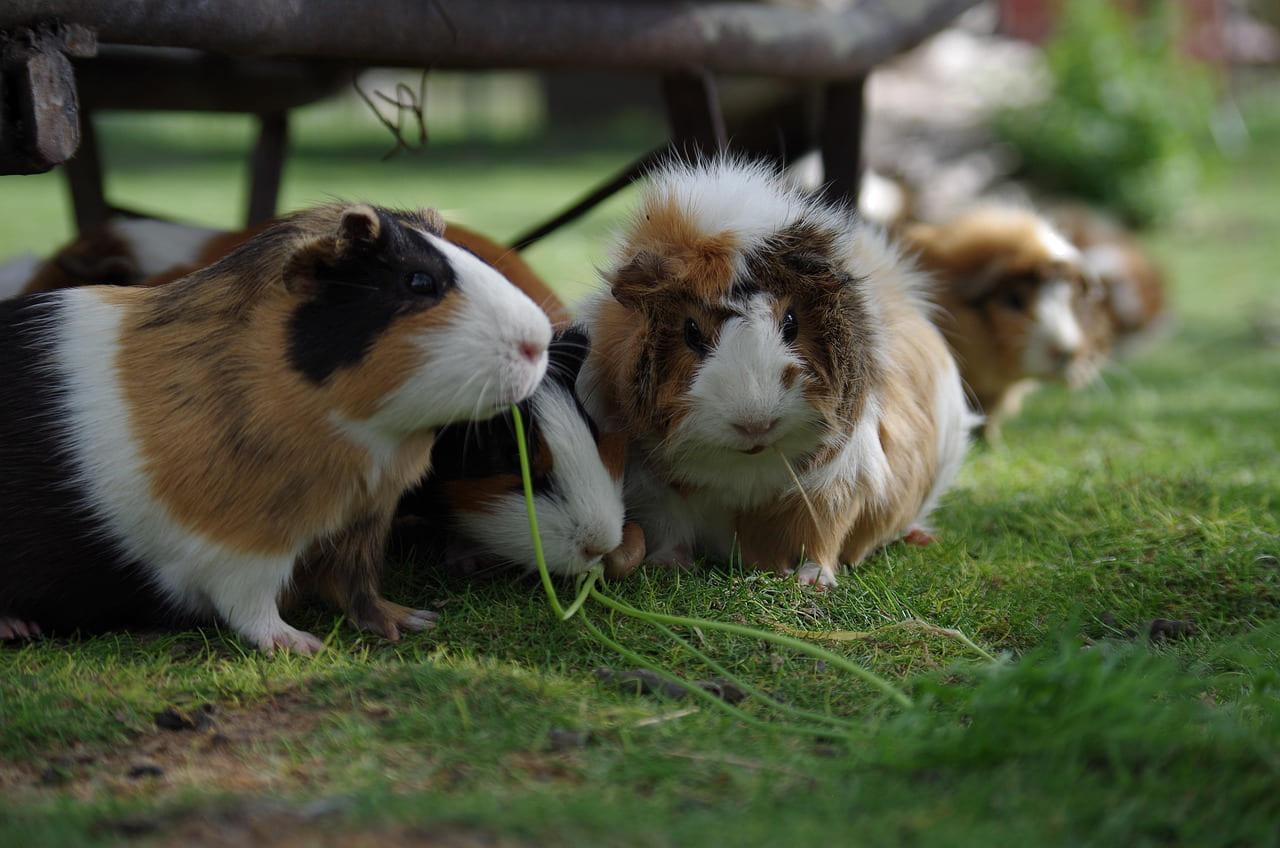
Let’s start with some of the most common small pets: hamsters, guinea pigs, and gerbils. These are often first pets, and it’s understandable that owners want to learn the basics. Hamsters: Wet tail is a heartbreaking issue for hamsters, often linked to a bacterial infection. It shows up as watery, diarrhea-like droppings. Prevention is key - a consistent, high-quality diet and regular cage cleaning are crucial. Respiratory infections can also be a problem, especially in drafty environments. Keeping their cage warm and dry, and ensuring good ventilation, are important. Dental problems are surprisingly common, often due to overgrown incisors. Providing plenty of chew toys - wooden blocks or cardboard tubes - helps keep their teeth worn down. Guinea Pigs: Scurvy, caused by a vitamin C deficiency, is a significant concern for guinea pigs. They need vitamin C in their diet, and if they don’t get enough, they’ll develop symptoms like lethargy, skin problems, and even bleeding. Thankfully, it’s easily addressed with vitamin C supplementation - you can add liquid vitamin C to their water or give them vitamin C tablets. Respiratory infections are also common, often triggered by damp conditions. Maintaining a dry, well-ventilated cage is vital. Overgrown teeth are another issue; regular nail trims and providing plenty of hay to chew on are important. Gerbils: Gerbils are incredibly sensitive to dehydration, so making sure they always have access to fresh, clean water is paramount. Dental problems are also a frequent concern, similar to hamsters. And, like all small pets, they can be prone to respiratory infections. A simple DIY enrichment project - a cardboard tube filled with bedding - can provide a stimulating environment and encourage their natural digging behavior, which is good for their mental well-being. A budget-friendly tip? You can often find good quality bedding in bulk at local farm supply stores, which is significantly cheaper than pre-packaged options.
Reptile Health: Leopard Geckos & Crested Geckos
Moving onto reptiles, leopard geckos and crested geckos are popular beginner choices, but they have specific needs. Leopard Geckos: Shedding problems are incredibly common. If a gecko isn’t shedding properly, it can lead to stuck shed, which can be painful and potentially cause infection. Maintaining proper humidity - usually achieved with a shallow water dish and regular misting - is crucial. Respiratory infections are also a risk, particularly if the temperature isn’t properly regulated. Leopard geckos need a warm side and a cool side in their enclosure, and a good quality heat mat is essential, but be sure to use a thermostat to prevent overheating. Crested Geckos: Crested geckos are known for their fascinating crests, but they also require consistent humidity to thrive. DIY humidity control can be surprisingly effective - a plastic container filled with damp sphagnum moss placed on the enclosure’s warmer side can create a localized humidity zone. Shedding issues, like with leopard geckos, are also common. Maintaining a proper diet of crested gecko-specific food is also key. A good starting point for budgeting is researching naturalistic setups - a simple, well-planted enclosure is often more enriching and healthier than a barren plastic tub.
Corn Snake Health & Budget-Friendly Diagnostics
Corn snakes are known for their docile nature and beautiful patterns, making them a great choice for new reptile keepers. Corn Snakes: Similar to other reptiles, shedding problems and respiratory infections are common. Maintaining proper humidity and temperature is key. Corn snakes are also prone to scale rot if they aren’t kept clean. Regularly spot-cleaning their enclosure and providing a shallow water dish are essential. Affordable Diagnostics: You don’t need expensive equipment to monitor your snake’s health. A simple thermometer is invaluable for checking the temperature of their enclosure. Observing their behavior - are they eating regularly? Are they active? - can provide valuable clues. Checking their droppings - are they firm and consistent? - is also a simple diagnostic tool. When to seek professional help? If you notice persistent lethargy, difficulty breathing, or signs of infection, don’t hesitate to contact a reptile veterinarian. Many low-cost veterinary clinics and reptile-specific vets offer affordable consultations.
Preventing Problems & Being Prepared
Preventative care is always cheaper than treating illness. A consistent, balanced diet, regular cage cleaning (at least once a week, more often for messy pets), and minimizing stress are all vital. Stress can weaken the immune system, making your pet more susceptible to illness. Enrichment - providing toys, hiding places, and opportunities for natural behaviors - can help reduce stress. A basic first-aid kit - including antiseptic wipes, gauze, and vet wrap - is a good idea. Knowing how to safely transport your pet to the vet is also crucial. Disclaimer: While we strive to provide accurate information, this article is for general guidance only. Always consult a qualified veterinarian for any health concerns regarding your pet.
Conclusion
Taking care of a small pet or exotic companion doesn’t have to be a daunting or expensive undertaking. By paying attention to their behavior, recognizing early warning signs, and prioritizing preventative care, you can ensure your little friend lives a long, happy, and healthy life. Remember, responsible pet ownership is about building a strong bond with your animal and providing them with the care they need - and that doesn’t always require a huge budget.
Keep This Practical
If this topic matters to your pet right now, keep the next step calm and practical. A small improvement in safety, enrichment, or routine often makes a bigger difference than buying more at once.
Tools Worth A Look
These picks are most helpful when they improve pet safety, comfort, enrichment, or day-to-day care without adding unnecessary complexity.
- Collapsible Dog Crate for Large/Medium Dogs - 36" L Foldable Dog Cage No-ToolThe Complete Guide to Hamster Care and Ownership: Covering Breeds, Enclosures, Handling, Training, Feeding, Bonding, Grooming, Health Care, Breeding, and More!Mighty Paw Retractable Leash with Built-in Poop Bag HolderPuppyDoggy Dog Poop Bag Holder for Leash Waste Bag Carrier Dog Poop Bag Dispenser for Walking Running Bicycle Accessory 2 pieces (Black)BESNEW Natural Rubber Squeaker Toys for Ferret,High Elasticity Ferret Latex Squeaker Balls 3 Pack
Some of the links on this page are Amazon affiliate links, which means I may earn a small commission if you make a purchase through them. As an Amazon Associate, I earn from qualifying purchases.
Related ReadingMore from Little Critter Guide
Tiny Pets: Your Beginner’s FAQ
and Beginner-Friendly Exotic Pets Guide FAQ Tiny Pets: Your Beginner can be easier to approach when you start with a few practical basics. Bringing a little.
Small Pets: Your Checklist Starts Here
can be easier to approach when you start with a few practical basics. * Substrate: This is the bedding - it needs to be safe, absorbent, and appropriate for your.
Small Pets & New Adventures: Budget Ideas
and Beginner-Friendly Exotic Pets - A Budget-Friendly Guide Bringing a new pet into your life is a wonderful experience, filled with companionsh...