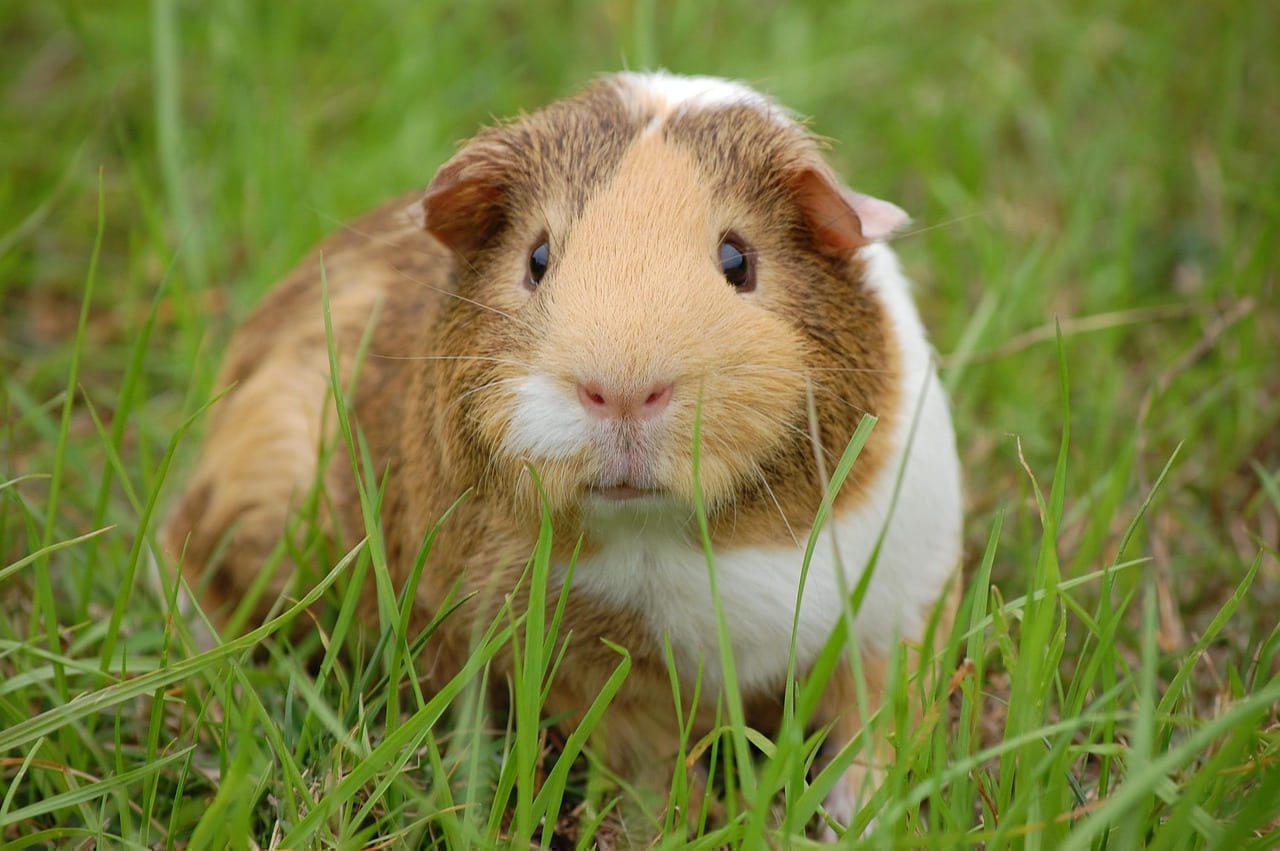
Top Health Concerns: Hamsters (Tiny Pets, Big Worries)
Tiny Pets, Big Worries can be easier to approach when you start with a few practical basics. Let’s start with some popular beginner pets - hamsters. These little guys are undeniably cute, but they’re prone to a few common issues:
- Wet Tail: This is arguably the most feared ailment in hamster ownership. It’s a bacterial infection causing severe diarrhea, lethargy, and loss of appetite. It’s often triggered by improper diet, stress, or poor hygiene. What to do: Immediate veterinary attention is crucial. Wet tail requires antibiotics and supportive care. Maintaining a clean enclosure, providing a consistent diet, and minimizing stress are key preventative measures.
- Respiratory Infections: Hamsters are susceptible to bacterial or viral respiratory infections, often due to poor ventilation or exposure to drafts. Symptoms: Sneezing, wheezing, nasal discharge, and labored breathing. Treatment: Veterinary antibiotics and supportive care.
- Dental Problems: Hamsters’ teeth continuously grow, and if they don't have enough abrasive material to wear them down, they can develop malocclusion (misalignment of teeth). Symptoms: Drooling, difficulty chewing, weight loss. Prevention: Provide a wooden chew toy and a mineral block.
Top Health Concerns: Leopard Geckos
Leopard geckos are increasingly popular due to their docile nature and relatively easy care. However, they do have specific health needs:
- Respiratory Infections: Similar to hamsters, geckos can develop respiratory infections, often linked to improper humidity levels. Symptoms: Thick, sticky nasal discharge, wheezing, open-mouth breathing. Prevention: Maintain a humidity gradient in their enclosure (a damp hide and a dry area) and ensure proper ventilation.
- Metabolic Bone Disease (MBD): This condition occurs when geckos don’t receive enough calcium and vitamin D3. Symptoms: Soft or deformed bones, lethargy, tremors. Treatment: Requires calcium supplementation, vitamin D3 supplementation, and potentially a calcium gluconate injection.
- Impaction: This happens when foreign objects (like substrate or undigested food) block the digestive tract. Symptoms: Lack of appetite, lethargy, constipation. Treatment: Veterinary intervention is necessary to clear the blockage.
Top Health Concerns: Sugar Gliders
Sugar gliders are intelligent and social animals, but they require a significant commitment. Here are some common concerns:
- Nutritional Deficiencies: Sugar gliders have very specific dietary needs, and deficiencies can lead to a range of problems. Symptoms: Weight loss, lethargy, poor coat condition, abnormal stool. Prevention: Feed a commercially prepared glider diet supplemented with fresh fruits and vegetables.
- Dental Problems: Like hamsters, sugar gliders’ teeth continuously grow. Symptoms: Drooling, difficulty eating, weight loss. Prevention: Provide a suitable chewing substrate and a mineral block.
- Pnemidocoptosis (Scale Drop): This is a common condition where scales drop off the glider’s feet. Symptoms: Visible scale loss, inflammation, discomfort. Treatment: Often resolves on its own, but veterinary attention may be needed for severe cases.
Recognizing the Signs: What to Look For
Beyond specific diseases, there are general signs of illness to watch out for in any small pet:
- Changes in appetite: A sudden loss of appetite or excessive eating can be a red flag.
- Lethargy: A noticeable decrease in activity levels.
- Changes in stool or urine: Abnormal color, consistency, or frequency.
- Weight loss or gain: Significant changes in body weight.
- Respiratory distress: Difficulty breathing, wheezing, or open-mouth breathing.
- Skin or coat problems: Excessive shedding, dryness, or lesions.
Preventative Care: The Best Medicine
While it’s impossible to eliminate all risks, proactive preventative care can significantly reduce the likelihood of health problems. This includes:
- Regular Veterinary Checkups: Schedule annual checkups with a veterinarian experienced in exotic animals.
- Proper Housing: Provide a clean, spacious, and appropriately heated/humidified enclosure.
- Balanced Diet: Feed a high-quality diet formulated for your pet’s species.
- Stress Reduction: Minimize stress by providing a stable environment and avoiding sudden changes.
- Hygiene: Maintain a clean enclosure and regularly change bedding.
When to Seek Veterinary Help
Don’t hesitate to contact a veterinarian if you notice any concerning symptoms. Early diagnosis and treatment are crucial for a positive outcome. It’s better to err on the side of caution. Keep your vet’s contact information readily available, including after-hours emergency contacts. Also, familiarize yourself with your pet’s specific needs for administering medication if necessary.
Bringing a small pet into your life is a wonderful adventure. By understanding common health concerns and practicing diligent preventative care, you can help your little critter live a happy, healthy, and fulfilling life. Remember, Little Critter Guide is here to support you on your journey - don’t hesitate to reach out with any questions or concerns!
Start with what you will actually use
With Tiny Pets, Big Worries: Health Checks, the first question is usually not which option looks best on paper. It is which part will make day-to-day life easier, smoother, or cheaper once the novelty wears off.
A lot of options sound great until you picture them in a normal week. If the setup is fussy, the routine is easy to forget, or the maintenance is annoying, the appeal fades quickly.
There is also value in keeping one part of the process deliberately simple. Readers often do better when they identify the one decision that carries the most weight and make that choice carefully before they chase smaller optimizations. That keeps momentum steady and usually prevents the topic from turning into clutter.
What tends to get overlooked
Tradeoffs are normal here. Cost, convenience, upkeep, and flexibility do not always line up neatly, so it helps to decide which tradeoff matters least to you before you commit.
This usually gets easier once you make a short list of priorities. A tighter list tends to produce better decisions than trying to solve every possible problem at once.
Another useful filter is asking what you would still recommend if the budget got tighter, the schedule got busier, or the setup had to be easier for someone else to manage. The answers to that question usually reveal which advice is durable and which advice only works under ideal conditions.
How to keep the setup simple
If you want Tiny Pets, Big Worries: Health Checks to hold up over time, choose the version you can actually maintain. That can mean spending less, leaving out an attractive extra, or simplifying the setup so it fits ordinary life.
The version that holds up best is usually the one you can live with on an ordinary day. That often matters more than the version that only feels good when you have extra time, energy, or money.
That is why the best next step is often a modest one with a clear upside. You want something specific enough to act on, flexible enough to adjust, and practical enough that you would still recommend it after the first burst of enthusiasm fades.
Costs that show up later
You do not need the flashiest answer here. You need the one that fits your space, budget, and routine well enough that you will still feel good about it after the first week.
In a topic like Small pets and beginner-friendly exotic pets, manageable almost always beats impressive. If something is simple enough to keep using, it is usually doing more real work for you.
Readers usually get better results when they treat advice as something to test and refine, not something to obey perfectly. That mindset creates room for real judgment, which is often the difference between content that sounds smart and guidance that is actually useful.
Keep This Practical
The most helpful pet-care changes are usually the ones your animal can feel right away: more comfort, clearer routines, and less daily stress. Start there and build steadily.
Tools Worth A Look
If you want a practical next step for your pet's routine or setup, the recommendations below are the best fit.
- Pet Snuffle Ball, Puzzle Sniffing Interactive Dog Ball for Blind Dogs Training Stress Relief Dog Enrichment Toys Treat Machine Washable (20cm, Rainbow Color)UnHide Lil’ Pet Marsh - Faux Fur Pet Blanket - Extra Soft, Lightweight, Durable Pet BlanketMighty Paw Retractable Leash with Built-in Poop Bag Holderxrlsg Personalized Dog Toy Storage Basket Bin - Collapsible with Pet's Name - Rectangular Custom Storage BoxBESNEW Natural Rubber Squeaker Toys for Ferret,High Elasticity Ferret Latex Squeaker Balls 3 Pack
Some of the links on this page are Amazon affiliate links, which means I may earn a small commission if you make a purchase through them. As an Amazon Associate, I earn from qualifying purchases.
Related ReadingMore from Little Critter Guide
Tiny Pets: Your Beginner’s FAQ
and Beginner-Friendly Exotic Pets Guide FAQ Tiny Pets: Your Beginner can be easier to approach when you start with a few practical basics. Bringing a little.
Small Pets: Your Checklist Starts Here
can be easier to approach when you start with a few practical basics. * Substrate: This is the bedding - it needs to be safe, absorbent, and appropriate for your.
Small Pets & New Adventures: Budget Ideas
and Beginner-Friendly Exotic Pets - A Budget-Friendly Guide Bringing a new pet into your life is a wonderful experience, filled with companionsh...