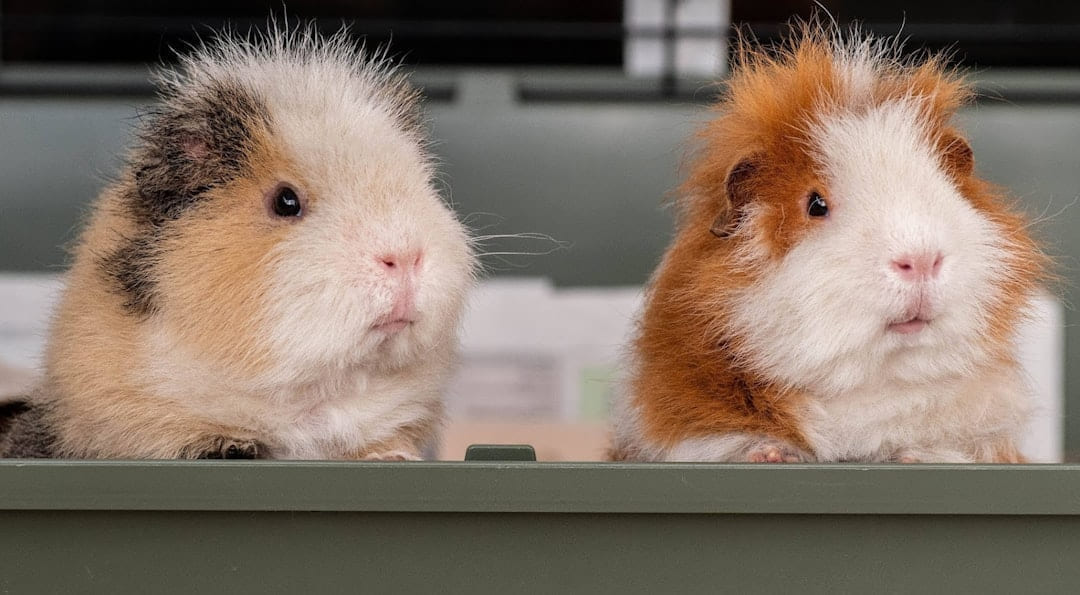
So, you’re dreaming of welcoming a little critter into your home? That’s fantastic! There’s something incredibly rewarding about caring for a small pet, whether it’s a fluffy hamster, a vibrant gecko, or a charming crested gecko. But before you rush out and bring home your new friend, it’s crucial to do your research and ensure you’re truly prepared. Bringing a pet into your life is a big commitment, and starting with a well-considered checklist can make all the difference. This guide will walk you through everything you need to know about choosing and caring for small pets and beginner-friendly exotic pets, giving you the confidence to provide a happy and healthy life for your new companion.
Understanding the Commitment: More Than Just Cuteness (Small Pet)
Let’s be honest, those adorable faces and tiny paws are a big part of the appeal. But owning any pet - small or exotic - is a significant responsibility. It’s not just about providing food and water; it’s about understanding their specific needs, creating a suitable environment, and dedicating time to their care. Many exotic pets require specialized diets, enrichment, and veterinary care that isn’t always readily available or affordable. Before you fall in love with a particular species, spend some serious time researching its long-term needs. Consider your lifestyle, budget, and living situation - are you prepared for the potential costs and time commitment?
Research - Know Your Critter
This is arguably the most important step. Don’t choose a pet based solely on appearance. Here’s a breakdown of what to investigate:
- Species-Specific Needs: Each animal has unique requirements. A hamster needs a running wheel and chew toys, while a leopard gecko needs a temperature gradient and a specific diet of insects. A crested gecko needs a humid environment and a varied diet of fruits and insects. Don't assume all small reptiles are the same!
- Lifespan: Some small pets, like hamsters, have relatively short lifespans (2-3 years). Others, like tortoises, can live for decades. Be prepared for a long-term commitment.
- Housing Requirements: What size enclosure do they need? What type of substrate is best? What temperature and humidity levels are crucial?
- Diet: What do they eat? Is it readily available? Can you prepare it yourself, or will you need to buy pre-prepared food?
- Social Needs: Are they solitary animals or do they thrive in pairs or groups?
- Veterinary Care: Find a veterinarian experienced with your chosen species *before* you get your pet. Not all vets treat exotic animals.
- Legality: Check local and state laws regarding ownership. Some exotic pets are restricted or prohibited.
Example: Let’s say you’re considering a ball python. You need to research not just that they’re beautiful snakes, but also that they require a specific temperature gradient (a warm side and a cool side), a secure enclosure, frozen/thawed rodents as their primary diet, and regular shedding assistance. Simply seeing a cute picture online isn't enough.
The Practical Checklist - Setting Up for Success
Once you’ve narrowed down your choices, it’s time to create a practical checklist. Here’s a comprehensive list, broken down into categories:
Housing & Environment
- Enclosure: Appropriate size and type (terrarium, cage, aquarium, etc.)
- Substrate: Safe and appropriate for the species (paper-based, coconut fiber, reptile carpet, etc.)
- Heating & Lighting: Heat lamps, ceramic heat emitters, UVB/UVA lights (for reptiles), thermostats to maintain correct temperatures.
- Humidity Control: Humidifiers, misters, or appropriate substrate for maintaining humidity levels.
- Decor & Enrichment: Hides, branches, climbing structures, toys, and other items to provide a stimulating environment.
Food & Water
- Food: High-quality food appropriate for the species (pellets, insects, fresh vegetables, etc.)
- Water Source: A clean water bottle or bowl, regularly cleaned and refilled.
- Food Dishes: Appropriate bowls or feeding stations.
Health & Hygiene
- Veterinarian: Established relationship with an exotic animal vet.
- Supplies: Digital scale, thermometers, hygrometers, disinfectants, cleaning supplies.
- Regular Cleaning: Schedule for cleaning the enclosure and replacing bedding.
Financial Considerations
- Initial Setup Costs: Enclosure, heating, lighting, substrate, food, and other supplies.
- Ongoing Costs: Food, bedding, veterinary care, and potential emergency expenses.
Beyond the Basics - Enrichment & Bonding
Caring for a pet isn’t just about meeting their basic needs; it’s about enriching their lives and building a bond. Here are some ideas:
- Enrichment Activities: Puzzle toys, foraging opportunities, and opportunities for exploration.
- Social Interaction: Spend time interacting with your pet - talking to them, petting them (if they enjoy it), and playing with them.
- Training (where applicable): Some small pets can be trained to do simple tricks or respond to commands.
- Observation: Learn to recognize your pet’s body language and understand their individual personality.
Example: A crested gecko benefits greatly from having a variety of branches to climb on and explore. Providing a climbing tree and regularly misting the enclosure will significantly improve their well-being.
Common Beginner Mistakes to Avoid
Let’s wrap up with a few common pitfalls to avoid:
- Impulse Purchases: Don’t buy a pet on a whim. Take your time to research and ensure you’re prepared.
- Ignoring Species-Specific Needs: General pet care advice isn’t always suitable for exotic pets.
- Overcrowding: Providing adequate space for your pet to thrive.
- Neglecting Veterinary Care: Regular checkups are crucial for maintaining your pet’s health.
Bringing a small pet or beginner-friendly exotic pet into your life can be an incredibly rewarding experience. By following this checklist and doing your research, you can set yourself and your new companion up for a long and happy life together. Are you ready to start your critter journey?
Focus on the part that solves the problem
In a topic like Small pets and beginner-friendly exotic pets, the strongest starting point is usually the one you will notice and use right away. That is often more helpful than adding extra features too early.
Before spending more, it is worth checking the setup, upkeep, and learning curve. Small hassles matter here because they are usually what decide whether something stays useful or gets ignored.
It is easy to underestimate how much clarity comes from removing one unnecessary layer. In practice, trimming one complication often does more for Small Pet Prep: Your Checklist than adding one more feature, one more product, or one more clever workaround.
Where extra features get in the way
Another easy trap is copying a setup that made sense for someone with a different routine, budget, or tolerance for maintenance. In Small pets and beginner-friendly exotic pets, that mismatch is often what makes a promising idea feel frustrating later.
A lot of options sound great until you picture them in a normal week. If the setup is fussy, the routine is easy to forget, or the maintenance is annoying, the appeal fades quickly.
There is also value in keeping one part of the process deliberately simple. Readers often do better when they identify the one decision that carries the most weight and make that choice carefully before they chase smaller optimizations. That keeps momentum steady and usually prevents the topic from turning into clutter.
Keep This Practical
The most helpful pet-care changes are usually the ones your animal can feel right away: more comfort, clearer routines, and less daily stress. Start there and build steadily.
Tools Worth A Look
If you want a practical next step for your pet's routine or setup, the recommendations below are the best fit.
- Luciphia 1 Pack 3 Blankets Fluffy Premium Fleece Pet Blanket Flannel Paw Printed Throw for Dog Cat(Small Grey/Brown/Blue)The Complete Guide to Maine Coons: Finding, Preparing for, Feeding, Training, Socializing, Grooming, and Loving Your New Maine Coon CatWahl USA Pet Friendly Waterless No Rinse Shampoo for AnimalsLOBEVE No Pull Dog Harness, Collar and Leash SetFirst-Year Puppy Health Care: A How-To Health Care Guide to for the First Twelve Months of Your New Dogs Life
Some of the links on this page are Amazon affiliate links, which means I may earn a small commission if you make a purchase through them. As an Amazon Associate, I earn from qualifying purchases.
Related ReadingMore from Little Critter Guide
Tiny Pets: Your Beginner’s FAQ
and Beginner-Friendly Exotic Pets Guide FAQ Tiny Pets: Your Beginner can be easier to approach when you start with a few practical basics. Bringing a little.
Small Pets: Your Checklist Starts Here
can be easier to approach when you start with a few practical basics. * Substrate: This is the bedding - it needs to be safe, absorbent, and appropriate for your.
Small Pets & New Adventures: Budget Ideas
and Beginner-Friendly Exotic Pets - A Budget-Friendly Guide Bringing a new pet into your life is a wonderful experience, filled with companionsh...