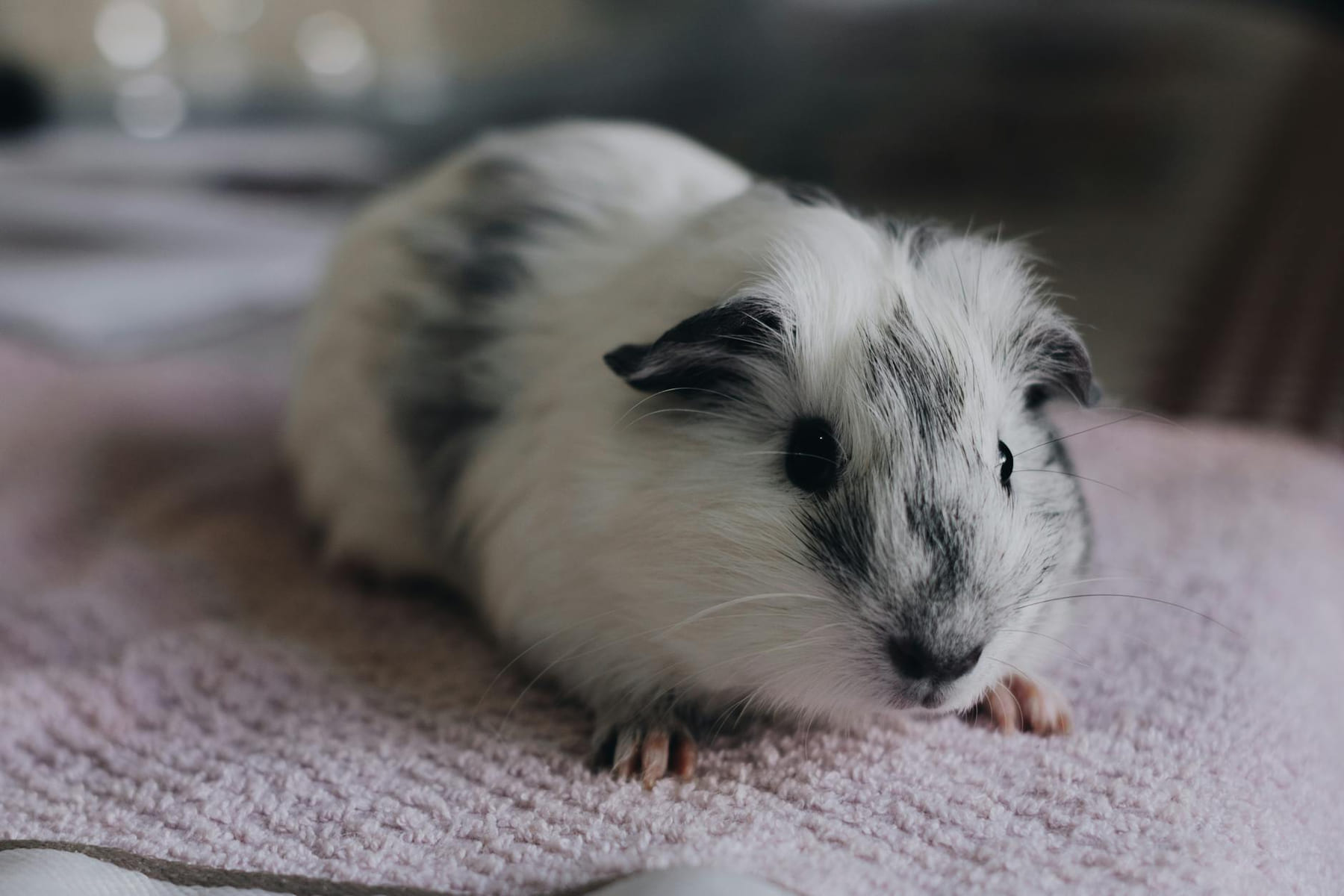
Bringing a small critter into your home can be a really special thing. There’s something undeniably charming about a tiny, curious animal adding a little joy to your days. But before you bring one home, it’s worth taking a moment to understand that these little companions have specific needs. this post is designed to give you a good foundation for providing the best possible care, whether you’re new to pet ownership or just curious about what it takes to keep a small pet happy and healthy. Let’s focus on building a solid start - proactive care makes a huge difference.
Choosing Your Perfect Friend (Small Pet Care)
Let’s be honest: getting a pet is a big deal. It’s not just about picking out a cute animal; it’s about committing to its entire life - food, a comfortable place to live, regular vet visits, and, most importantly, companionship. Before you even think about a species, take a good look at your lifestyle. with small pets, you’ve got a lot of choices. Hamsters and guinea pigs are often popular starting points - they’re generally pretty straightforward to care for. Rabbits, though undeniably adorable, need a bit more space and a bit more attention. And then there are the smaller exotic pets like leopard geckos and crested geckos, which often require a bit more specialized knowledge and a specific setup. Finding the right pet for you is key. Do you live in a small apartment? A hamster might be a better fit than a rabbit. Are you often away from home? Some pets, like guinea pigs, really thrive on interaction, while others are happy to entertain themselves for longer periods. It’s a good idea to ask yourself: Can I realistically provide the space, time, and financial resources this animal will need for its entire life?
Setting Up a Safe and Comfortable Home
A happy pet starts with a comfortable and safe home. The size of the enclosure matters a lot. A hamster needs a cage that’s at least 450 square inches of floor space - the bigger, the better! Guinea pigs need a minimum of 7.5 square feet, and rabbits should have at least 8 square feet to hop around in. Exotic pets, like geckos, will need a terrarium sized appropriately for their adult size, giving them room to hide and climb. Substrate is another important thing to think about. Paper-based bedding is a good place to start - it’s absorbent, not too expensive, and easy to clean. Aspen shavings are another popular choice for rodents, offering a natural feel. Fleece liners can be used for bedding, but you’ll need to clean them more often. Avoid cedar or pine shavings, as the oils can be harmful to small pets. Temperature and humidity are also super important. Hamsters and guinea pigs prefer a room temperature of around 65-75°F (18-24°C). Leopard geckos, on the other hand, need a warm side of their terrarium around 88-92°F (31-33°C) and a cooler side around 75-80°F (24-27°C). Maintaining the correct humidity is equally important, especially for reptiles.
Feeding Your Little Friend
What you feed your pet is just as important as where they live. Most commercial diets are a good starting point, but it’s always a good idea to read the labels carefully. For rodents, look for foods that are high in protein and fiber. Guinea pigs need a diet rich in Vitamin C, which they can’t make on their own. Rabbits need a diet primarily made up of hay, with a small amount of fresh vegetables and pellets. You can also add fresh foods to their diet, but do your research first. Small amounts of fruits and vegetables can be offered, but some foods are actually toxic to small pets - grapes, raisins, onions, and chocolate are just a few examples. Always do a little digging before introducing anything new. Portion sizes depend on the species and the individual animal. Young animals need more food than adults. It’s generally better to err on the side of slightly less food than too much, as obesity can lead to health problems. Fresh water should always be available - a water bottle or a heavy ceramic dish are good options.
Keeping Them Happy and Healthy
A bored pet is an unhappy pet. Small animals need mental and physical stimulation to thrive. Providing different toys is essential. For rodents, cardboard tubes, chew toys, and tunnels are great options. Rabbits enjoy digging boxes and foraging toys. Geckos need climbing branches, hiding places, and opportunities to explore. Socialization is important for some species. Guinea pigs, for example, enjoy interacting with their owners and other guinea pigs. Sugar gliders are highly social animals and need to be kept in pairs or groups. Creating an environment that encourages natural behaviors - burrowing, climbing, exploring - will keep your pet engaged and content.
Staying on Top of Health and Hygiene
Regular cleaning is really important for preventing illness. Daily spot cleaning is necessary to remove soiled bedding and droppings. Weekly, you’ll need to change the bedding completely and clean the enclosure thoroughly. Monthly deep cleaning may be required, depending on the species and the type of substrate you’re using. Disinfecting surfaces with a pet-safe cleaner is important to kill bacteria and viruses. Avoid using harsh chemicals that could be harmful to your pet. Regular veterinary check-ups are essential for maintaining your pet’s health. Finding an exotic vet who specializes in small animals is key. Be aware of common health issues - mites, respiratory infections, dehydration - and learn how to recognize the signs.
Conclusion
Caring for a small pet is a commitment, but it’s one that can bring a lot of joy. By providing a safe home, a nutritious diet, plenty of enrichment, and regular veterinary care, you can help your little companion live a long, happy, and healthy life.
Keep This Practical
Good pet decisions tend to be simple, observant, and consistent. Focus on one change that improves your animal's environment or routine, then watch how they respond before adding more.
Tools Worth A Look
The products here make the most sense when they support calmer, safer, or more enjoyable care for the animal in front of you.
- The Complete Guide to Adopting a Cat: Preparing for, Selecting, Raising, Training, and Loving Your New Adopted Cat or KittenOak Dog Crate Furniture with Reversible Side Door, Wooden Indoor Dog Kennel for Small Medium Dogs, End Table Dog Crate with Double Locks, Heavy Duty Steel MeshQuick & Easy Homemade Dog Food Recipes: Nutritionally Balanced, Allergy-Friendly Dog Food Recipes-Debunk Myths, Save Money, and Empower YourselfThe Complete Guide to Hamster Care and Ownership: Covering Breeds, Enclosures, Handling, Training, Feeding, Bonding, Grooming, Health Care, Breeding, and More!
Some of the links on this page are Amazon affiliate links, which means I may earn a small commission if you make a purchase through them. As an Amazon Associate, I earn from qualifying purchases.
Related ReadingMore from Little Critter Guide
Tiny Pets: Your Beginner’s FAQ
and Beginner-Friendly Exotic Pets Guide FAQ Tiny Pets: Your Beginner can be easier to approach when you start with a few practical basics. Bringing a little.
Small Pets: Your Checklist Starts Here
can be easier to approach when you start with a few practical basics. * Substrate: This is the bedding - it needs to be safe, absorbent, and appropriate for your.
Small Pets & New Adventures: Budget Ideas
and Beginner-Friendly Exotic Pets - A Budget-Friendly Guide Bringing a new pet into your life is a wonderful experience, filled with companionsh...