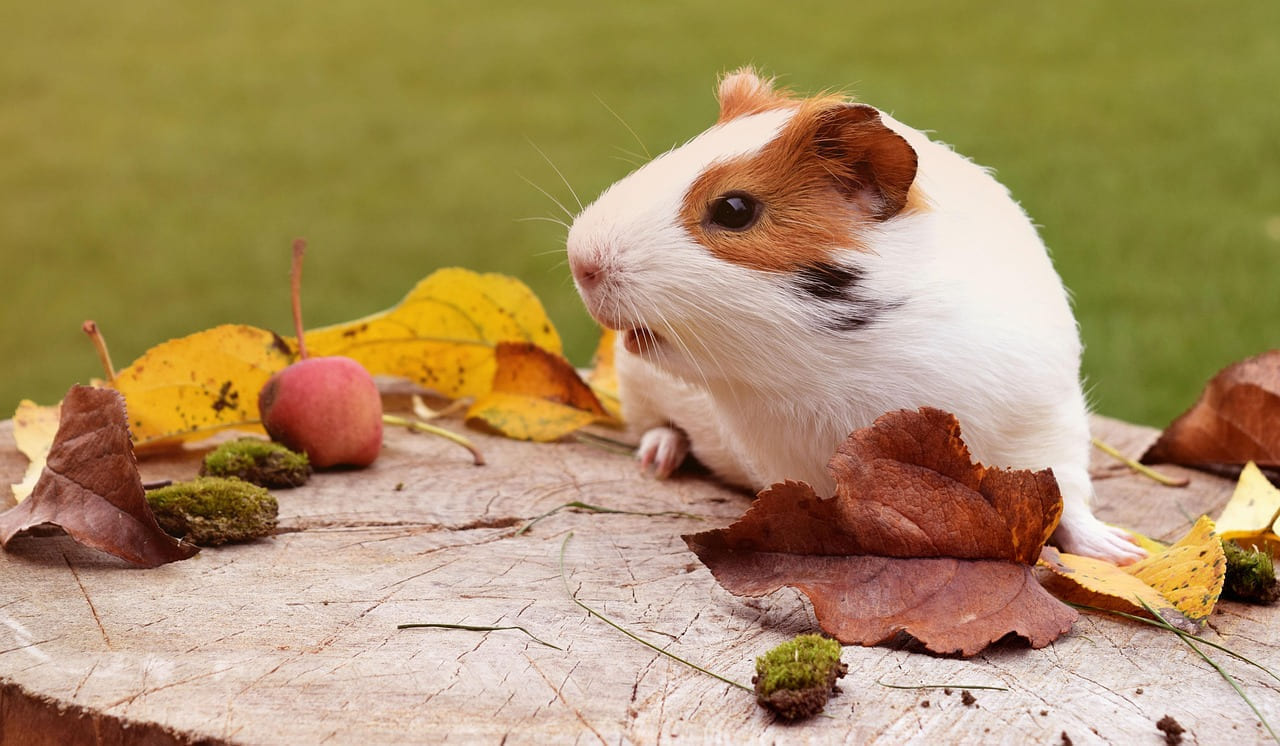
Small Pet can be easier to approach when you start with a few practical basics.
- Toilet Paper & Paper Towel Rolls: These become instant chew toys, hiding places, and can be easily connected to create tunnels.
- Plastic Containers: Yogurt cups, margarine tubs, and takeout containers - rinse them out and they’re ready to be transformed.
- Fabric Scraps: Old t-shirts, fleece blankets, or even ripped-up towels provide cozy hiding spots and interesting textures.
- Branches & Sticks: Gather safe, untreated branches from your yard (ensure they’re free of pesticides) for climbing and chewing.
- Egg Cartons: Perfect for creating foraging puzzles - scatter treats inside the individual cups.
- Newspaper & Shredded Paper: Great for creating a digging substrate (especially for rabbits and guinea pigs) or stuffing into tubes for exploration. You can often find these items at dollar stores or craft stores for incredibly low prices. Don’t underestimate the power of a little scavenging!
Building a Cozy Castle: DIY Hideaways (Small Pet)
Let’s start with something simple and effective: hideaways. A safe, secure space where your pet can retreat and feel protected is a huge stress reliever. Step-by-Step Cardboard Box Hide: 1. Choose Your Box: Select a sturdy cardboard box - a shoebox or cereal box works perfectly. 2. Cut an Entrance: Cut a doorway large enough for your pet to comfortably enter and exit. Round the corners to prevent injury. 3. Add Comfort: Line the box with a soft fabric scrap, fleece, or a shredded towel. 4. Get Creative (Optional): Connect multiple boxes with tape or glue to create a multi-room hideaway. You can even cut holes to create tunnels between the boxes. A little extra fabric draped over the top adds to the cozy factor. Estimated Cost: $2 - $5
Puzzle Time: Foraging Fun for Pets
- Cardboard Tube Buffet: Stuff cardboard tubes (toilet paper or paper towel rolls) with treats - small pieces of vegetables, pellets, or even a bit of fruit.
- Slow Feeder Creation: Use a plastic container with holes drilled in the sides. Place treats inside - your pet will have to work to get them out.
- Dig Box Delight: Fill a shallow container with shredded paper, hay, or a mix of both. Bury treats within the substrate and let your pet dig them out. *Estimated Cost: $1 - $3*
Vertical Adventures: Expanding Their World
Many small pets love to climb! Rabbits and guinea pigs especially benefit from having vertical space to explore.
- Simple Plank System: Securely attach wooden planks to the sides of their enclosure using zip ties or heavy-duty clips. Make sure the planks are stable and won't wobble.
- Branching Out (for Reptiles): Leopard geckos and crested geckos appreciate secure branches and cork bark to climb on and explore. Ensure the branches are firmly anchored and won’t fall. (Always prioritize safety when providing climbing opportunities for reptiles.) Estimated Cost: $5 - $10
Engaging the Senses: A Multi-Sensory Experience
Enrichment isn’t just about physical activities; it’s about stimulating all of your pet’s senses. * Visual: Introduce colorful toys (avoid small, easily ingested pieces), or a mirror (ensure it's securely mounted and won’t fall).
- Auditory: Safe musical toys (ensure they aren’t too loud) or rustling paper can provide auditory stimulation.
- Tactile: Offer different textures - burlap, fleece, wood - to encourage exploration and tactile stimulation.
- Olfactory: Introduce safe herbs and plants that your pet can investigate (do thorough research to ensure they are non-toxic!). Basil, mint, and chamomile are often safe options for rabbits and guinea pigs.
- Gustatory: Variety in their food is key! Different textures and flavors can keep them engaged. *Estimated Cost: $0 - $5 (depending on materials)*
Keeping it Fresh and Safe: Rotation is Key
Don’t just set up one enrichment item and leave it there indefinitely. Rotate your pet’s toys and enrichment items regularly - every few days or once a week - to keep things interesting. This also helps prevent boredom and encourages continued engagement. Always supervise your pet when introducing new enrichment items, and regularly check for any signs of damage or wear and tear. Remove anything that could pose a safety hazard - small parts that could be ingested, sharp edges, or toxic materials.
Pick the easiest win first
Most people get better results with DIY Enrichment: Small Pet Fun on a Budget when they narrow the decision to one real problem. That could be saving time, trimming cost, reducing friction, or making the routine easier to keep up.
This usually gets easier once you make a short list of priorities. A tighter list tends to produce better decisions than trying to solve every possible problem at once.
Another useful filter is asking what you would still recommend if the budget got tighter, the schedule got busier, or the setup had to be easier for someone else to manage. The answers to that question usually reveal which advice is durable and which advice only works under ideal conditions.
The tradeoff most people notice late
One common mistake with DIY Enrichment: Small Pet Fun on a Budget is expecting every option to solve the whole problem. In reality, some choices are better for convenience, some for reliability, and some simply for keeping the budget under control.
Before spending more, it is worth checking the setup, upkeep, and learning curve. Small hassles matter here because they are usually what decide whether something stays useful or gets ignored.
It is easy to underestimate how much clarity comes from removing one unnecessary layer. In practice, trimming one complication often does more for DIY Enrichment: Small Pet Fun on a Budget than adding one more feature, one more product, or one more clever workaround.
What makes this easier to live with
The options that age well are usually the ones that are easy to repeat. Reliability and low hassle often matter more than the most impressive-looking feature list.
In a topic like Small pets and beginner-friendly exotic pets, manageable almost always beats impressive. If something is simple enough to keep using, it is usually doing more real work for you.
Readers usually get better results when they treat advice as something to test and refine, not something to obey perfectly. That mindset creates room for real judgment, which is often the difference between content that sounds smart and guidance that is actually useful.
Wrapping Up: A Little Effort, Big Rewards
Creating a stimulating and enriching environment for your small pet doesn’t have to be expensive or complicated. By utilizing readily available materials and a little creativity, you can provide your furry, scaled, or shelled friend with a happier, healthier, and more fulfilling life. Don’t be afraid to experiment and see what your pet enjoys most - the rewards of a stimulated and engaged companion are well worth the effort. Ready to get started?
Keep This Practical
If this topic matters to your pet right now, keep the next step calm and practical. A small improvement in safety, enrichment, or routine often makes a bigger difference than buying more at once.
Tools Worth A Look
These picks are most helpful when they improve pet safety, comfort, enrichment, or day-to-day care without adding unnecessary complexity.
- The Complete Guide to Persian Cats: Preparing for, Raising, Training, Feeding, Grooming, and Socializing Your New Persian Cat or KittenChomChom Roller Pet Hair Remover – Original Size Reusable Lint Roller for Cat & Dog Hair on FurnitureThe Complete Natural Pet Healing Bible: Practical Step-by-Step Protocols to Restore Your Pet’s Health NaturallyHOLLAND LOP RABBITS: YOUR ESSENTIAL GUIDE TO CARE AND COMPANIONSHIP: “Everything You Need to Raise a Happy Pet.”Mighty Paw Hands Free Dog Leash
Some of the links on this page are Amazon affiliate links, which means I may earn a small commission if you make a purchase through them. As an Amazon Associate, I earn from qualifying purchases.
Related ReadingMore from Little Critter Guide
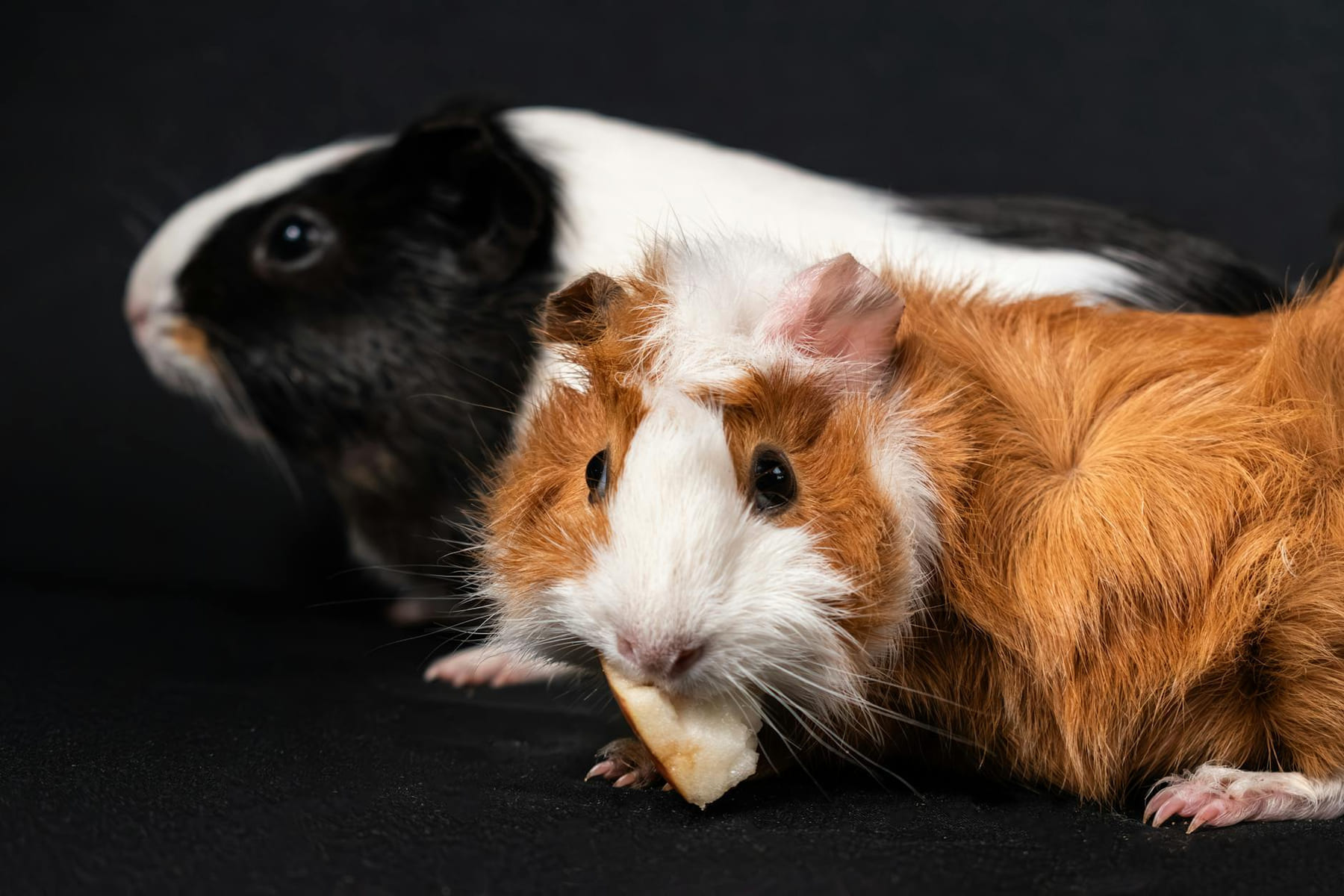
DIY Enrichment: Small Pet Fun, Step-by-Step
The options that age well are usually the ones that are easy to repeat. Reliability and low hassle often matter more than the most impressive-looking feature list.
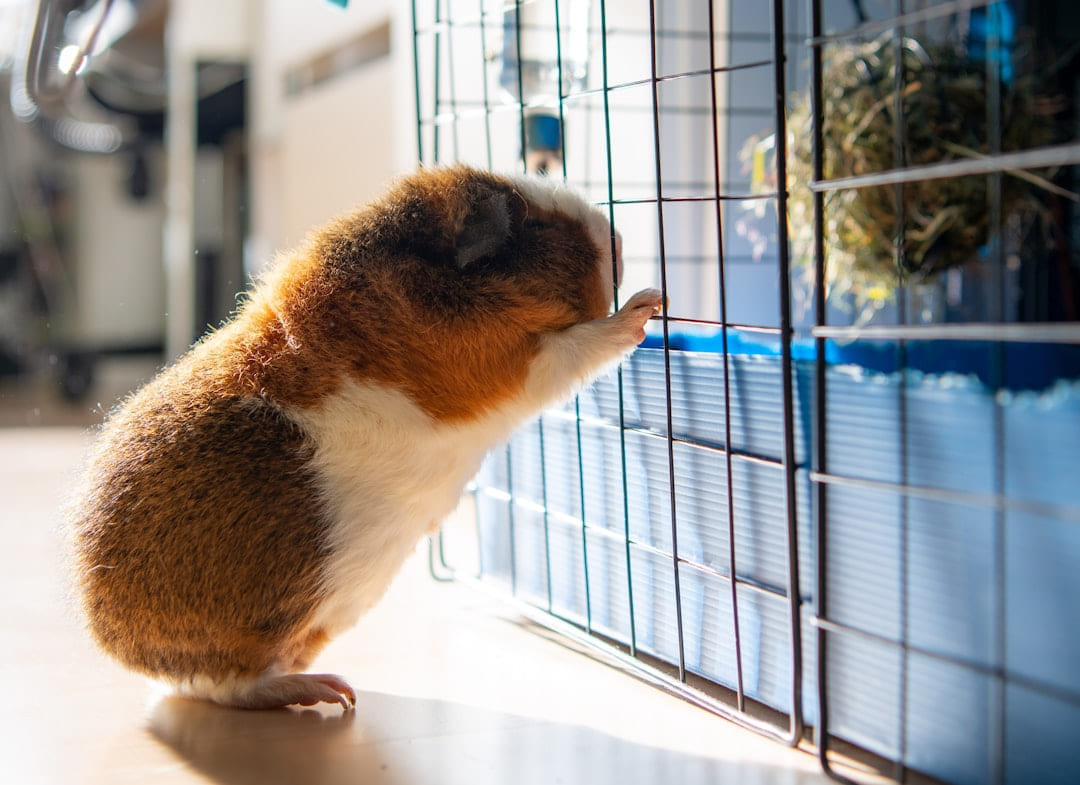
DIY Pet Fun: Enrichment or Ready-Made?
Use diy pet fun: enrichment or ready-made? as a more grounded pet-care guide focused on safety, enrichment, and steady day-to-day routines.
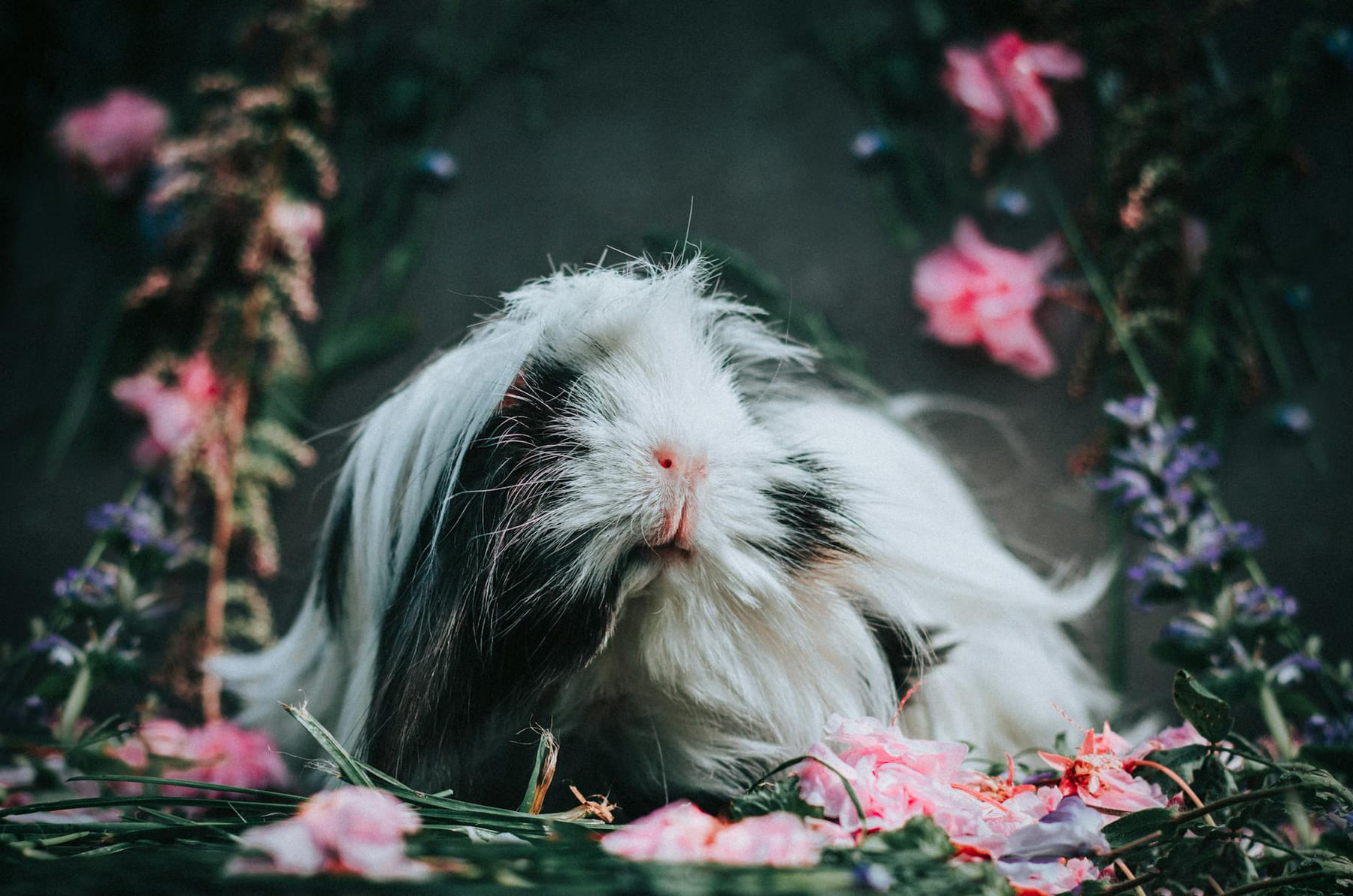
DIY Pet Enrichment: Common Mistakes
Mistakes to Avoid I’ve seen it happen - a pet owner, brimming with good intentions, spends an afternoon crafting a fantastic-looking enrichment toy, only to f...