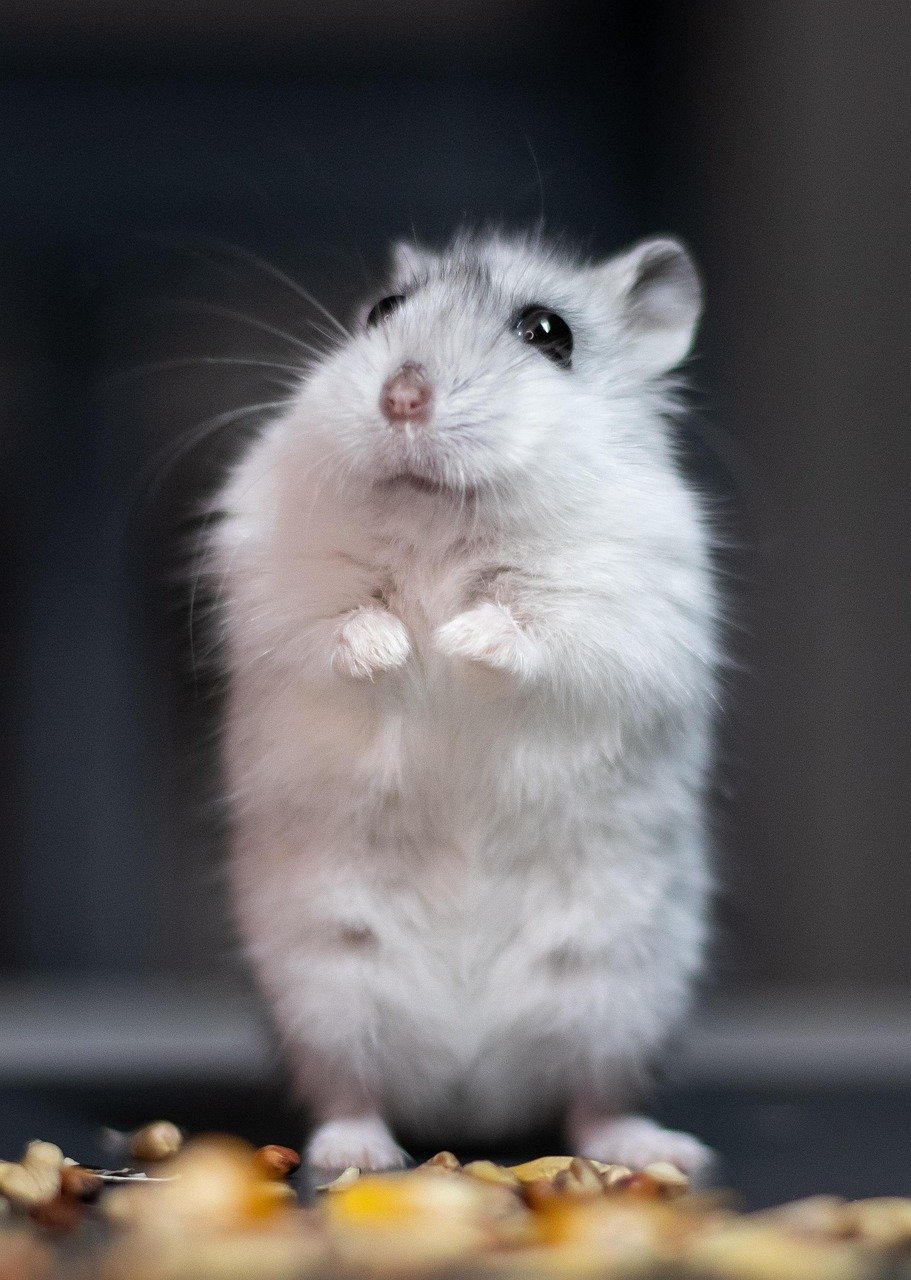
A New Pet Guide can be easier to approach when you start with a few practical basics.
- Guinea Pigs: These social little bundles of fluff are surprisingly vocal and enjoy interaction. They need a bit more space than hamsters and thrive on companionship - ideally, they’d do well in pairs.
- Rabbits: Rabbits are incredibly intelligent and can be trained to use a litter box. but they require a significant amount of space and enrichment to prevent boredom. They’re also a longer-term commitment, often living 8-12 years.
- Gerbils: Active and social, gerbils love to burrow and explore. They're relatively clean and don’t require a ton of space.
- Rats: Don’t let their size fool you - rats are incredibly intelligent and form strong bonds with their owners. They’re social creatures and benefit from having a companion.
- Chinchillas: These fluffy critters are undeniably adorable, but they require a specific environment - they need dust baths to keep their fur healthy and are sensitive to temperature fluctuations. When making your decision, think about your family’s lifestyle. Do you have young children? Are you often away from home? How much time can you realistically dedicate to daily care? Lifespan is another key consideration - a hamster might live two years, while a rabbit could live a decade or more.
Building a Happy Home: Habitat Essentials (A New Pet Guide)
Okay, you’ve chosen your new friend - now it’s time to create a comfortable and safe home. A proper habitat is crucial for their well-being. Let’s talk about the basics. Size Matters: Minimum enclosure sizes vary greatly depending on the species. A hamster needs at least 600 square inches of floor space - think of it like a small dance floor! Guinea pigs need considerably more - around 7.5 square feet - to allow them to roam and explore. Rabbits also require a large enclosure, ideally 8 square feet or more, plus room to hop around. Gerbils can thrive in a smaller enclosure (around 10 gallons), while rats need a minimum of 20 gallons. Chinchillas require the most space, needing at least 30 gallons. Flooring: Avoid wire mesh floors, as they can injure little paws. Opt for paper-based bedding like Carefresh, fleece blankets, or aspen shavings. Avoid cedar and pine shavings, as they can be harmful to their respiratory systems. Ventilation & Temperature: Good ventilation is essential to prevent ammonia buildup from urine. Maintaining a comfortable temperature is also key - most small pets thrive in a temperature range of 65-75°F (18-24°C). Lighting: Hamsters, gerbils, and rats benefit from a regular light cycle. For rabbits and chinchillas, UVB lighting is crucial for vitamin D production and bone health. Cost Breakdown: Setting up a basic habitat for a guinea pig can range from $75 to $150, including the enclosure, bedding, food bowl, and water bottle. A hamster setup might cost around $50-$80. Rabbits and chinchillas require a more substantial initial investment.
Feeding Your Little One: Nutrition 101
Proper nutrition is the cornerstone of a healthy small pet. It’s not just about filling their bowl; it’s about providing a balanced diet that meets their specific needs. Species-Specific Diets: High-quality small animal pellets should form the basis of their diet. Guinea pigs and rabbits need a mix of hay, fresh vegetables, and a small amount of pellets. Hamsters and gerbils enjoy a mix of pellets, seeds, and occasional fruits and vegetables. Rats and chinchillas need a specialized diet formulated for their nutritional requirements. Water: Constant access to fresh, clean water is absolutely essential. Use a water bottle or a heavy ceramic bowl - bottles are generally easier to keep clean. Foods to Avoid: Chocolate, onions, garlic, avocados, and grapes are all toxic to small pets. Also, avoid feeding them too many sugary treats. Portion Control: Follow the feeding guidelines on your pet food packaging and adjust as needed based on your pet's activity level and body condition.
Daily Care & Keeping Them Happy
Beyond the basics of food and water, a little daily attention goes a long way in keeping your small pet happy and healthy. Cleaning Routine: Spot clean their cage daily - remove soiled bedding and droppings. A full cage cleaning should be done weekly, replacing all bedding. Enrichment Activities: Boredom can lead to behavioral problems. Provide plenty of toys, tunnels, chew toys, and opportunities for exploration. Rotate toys regularly to keep things interesting. For rabbits and guinea pigs, offer cardboard boxes and tunnels to explore. Social Interaction: Most small pets enjoy interaction with their owners. Spend time talking to them, petting them (if they enjoy it), and providing gentle playtime.
Health & Safety: Being Prepared
Being a responsible pet owner means being prepared for potential health issues and ensuring your home is safe for your new friend. Recognizing Illness: Watch for signs of distress, such as lethargy, loss of appetite, changes in behavior, difficulty breathing, or diarrhea. Veterinary Care: Find a veterinarian experienced with small pets before you bring your pet home. Regular checkups are essential for preventative care. Home Safety: Identify and remove potential hazards, such as electrical cords, toxic plants, and small objects that could be ingested.
Recap: Your Journey Starts Now
So, there you have it - a starting point for your small pet adventure! Remember to research your chosen species thoroughly, provide a comfortable and stimulating habitat, offer a nutritious diet, and dedicate time to daily care and interaction. Caring for a small companion is a rewarding experience that can bring years of joy to your family. Don’t be afraid to do more research, connect with experienced owners, and enjoy the journey!
Start with what you will actually use
With A New Pet Guide, the first question is usually not which option looks best on paper. It is which part will make day-to-day life easier, smoother, or cheaper once the novelty wears off.
A lot of options sound great until you picture them in a normal week. If the setup is fussy, the routine is easy to forget, or the maintenance is annoying, the appeal fades quickly.
There is also value in keeping one part of the process deliberately simple. Readers often do better when they identify the one decision that carries the most weight and make that choice carefully before they chase smaller optimizations. That keeps momentum steady and usually prevents the topic from turning into clutter.
What tends to get overlooked
Tradeoffs are normal here. Cost, convenience, upkeep, and flexibility do not always line up neatly, so it helps to decide which tradeoff matters least to you before you commit.
This usually gets easier once you make a short list of priorities. A tighter list tends to produce better decisions than trying to solve every possible problem at once.
Another useful filter is asking what you would still recommend if the budget got tighter, the schedule got busier, or the setup had to be easier for someone else to manage. The answers to that question usually reveal which advice is durable and which advice only works under ideal conditions.
Keep This Practical
The most helpful pet-care changes are usually the ones your animal can feel right away: more comfort, clearer routines, and less daily stress. Start there and build steadily.
Tools Worth A Look
If you want a practical next step for your pet's routine or setup, the recommendations below are the best fit.
- PetsPros Simple Pet Care GuidesEMEET 1080P Webcam with Microphone, C960 Web Camera, 2 Mics Streaming Webcam, 90°FOV Computer Camera, Plug and Play USB Web CamHow Shop Like Boss MortgagesThe 2026 Way to Buy a Home in AmericaHome Buying 101: From Mortgages and the MLS to Making the Offer and Moving In
Some of the links on this page are Amazon affiliate links, which means I may earn a small commission if you make a purchase through them. As an Amazon Associate, I earn from qualifying purchases.
Related ReadingMore from Little Critter Guide

Small Pets, Big Hearts: Affordable Companions
Small Pets, Big Hearts: Affordable Companions makes pet care more practical by focusing on safer routines, calmer handling, and changes that genuinely help.

Tiny Habitats: Solving Small Pet Problems
Solving Small Pet Problems can be easier to approach when you start with a few practical basics. --- Little Critter Guide: Tiny Habitat Design Troubleshooting.

Tiny Homes for Critters: Habitat Design Choices
A clearer guide to tiny homes for critters: habitat design choices, built around pet comfort, behavior signals, and care choices that are easier to use in real life.