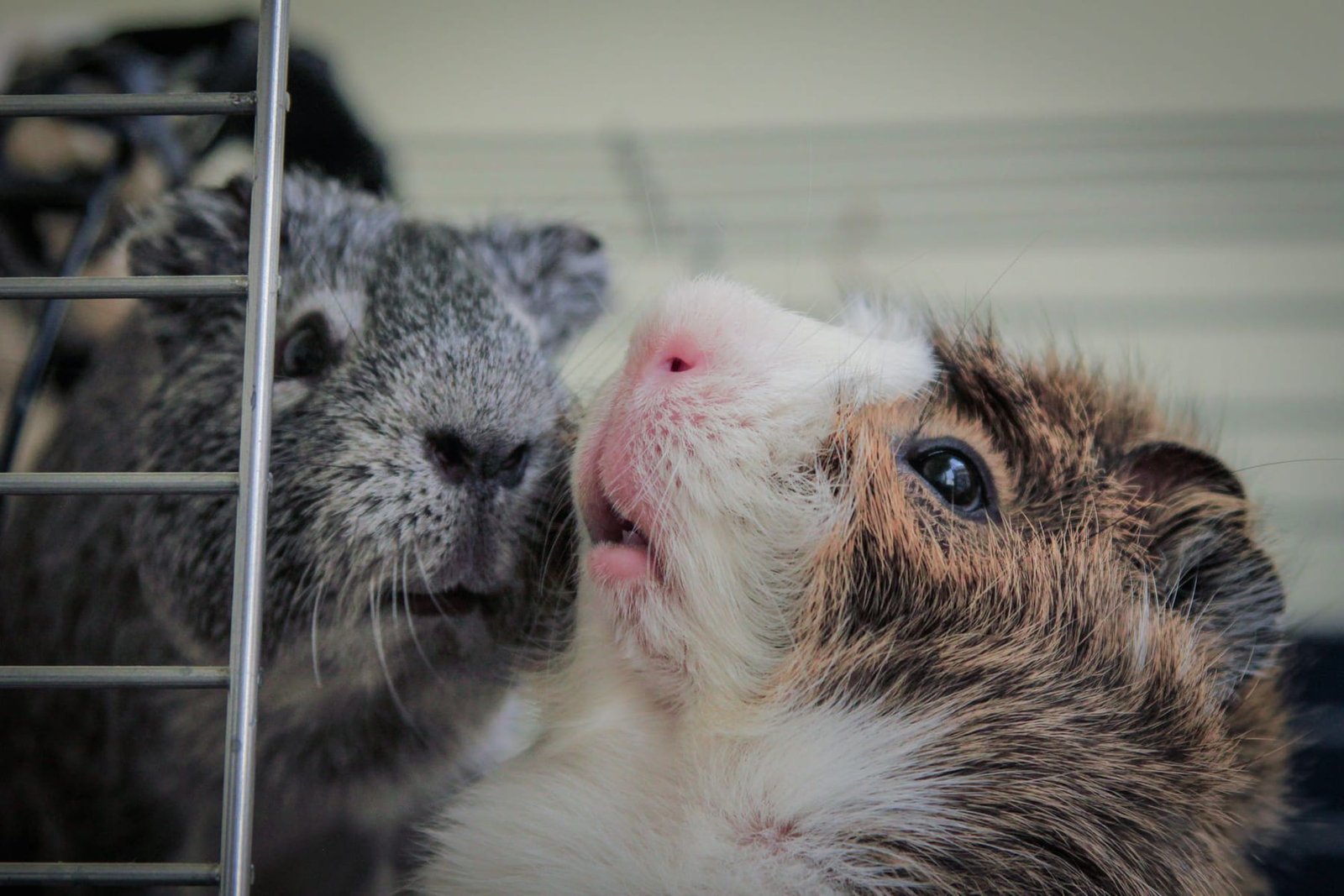
If you are sorting through Small Pet, start by matching the advice to the problem you are actually trying to solve.
Bringing a new little critter into your home is exciting, but it’s also a significant responsibility. There’s a real rush to get a pet - a hamster, a leopard gecko, maybe even a crested gecko - and set up their new life. But enthusiasm can sometimes outpace preparation, and that’s where things can go sideways. this post is designed to help you avoid common pitfalls and set your new companion up for a long and happy life. We’ll focus on realistic expectations and preventative care - the kind of advice that matters most when you’re just starting out. It’s about understanding what your pet actually needs, not just what looks cute or fits in your apartment.
Underestimating Habitat Needs
Let’s be honest: most people drastically underestimate the space their pet truly needs. You see a tiny plastic cage marketed for a hamster, and it seems perfectly adequate, right? Wrong. Hamsters are active, curious creatures. They need room to burrow, to explore, and to exercise. A small plastic cage is essentially a glorified exercise wheel - a frustratingly limited existence. Similarly, a leopard gecko, a popular beginner reptile, often ends up in a tank that’s simply too small. Leopard geckos are ambush predators; they need a sizable space to stalk, hide, and thermoregulate. Don’t choose a pet based solely on size. Research minimum requirements - and then plan for potential expansion. A juvenile leopard gecko will grow, and a hamster will certainly become more energetic as it matures. Think long-term. Consider a bioactive setup for certain species, which creates a self-sustaining mini-ecosystem within the enclosure. This isn’t just about aesthetics; it’s about replicating the animal’s natural environment as closely as possible.
Incorrect Temperature Regulation
This is a big one, and a surprisingly common mistake. Temperature fluctuations are a major cause of illness, especially in reptiles and amphibians. Relying solely on a heat lamp - just sticking one in the corner - is a serious oversight. You’ll likely end up with a hot spot and a cold spot, creating a stressful and unhealthy environment. Invest in reliable digital thermometers and hygrometers. These aren’t expensive, and they’re essential for monitoring the conditions within your pet’s habitat. A ceramic heat emitter is often a more stable and appropriate choice than a heat bulb. Heat bulbs can dry out the air, which is particularly problematic for reptiles. Understand that different species have vastly different temperature requirements. Research the specific needs of your animal - a crested gecko needs a cooler nighttime temperature than a leopard gecko, for example.
Improper Diet - Overfeeding & Nutritional Deficiencies
It’s surprisingly easy to overfeed small pets. Hamsters, in particular, are prone to begging, and owners often give in to their pleading eyes. This leads to obesity, digestive problems, and a shortened lifespan. Thoroughly research the specific dietary needs of your animal. Insects for a leopard gecko require gut-loading (feeding them nutritious foods before feeding them to the gecko themselves). Vegetables and fruits are vital for many small pets, but portion sizes matter. Don’t just buy a generic “pet food” mix; these often lack the necessary nutrients. Supplementation is frequently necessary, and a balanced diet is absolutely crucial for long-term health.
Lack of Proper Substrate & Cleaning
The wrong substrate can lead to serious health problems like impaction - where small particles of substrate block the digestive tract. Consider the natural behaviors of your pet when choosing a substrate. Burrowing hamsters need a deep layer of bedding, while tropical reptiles require a substrate that retains humidity. Regular, thorough cleaning is essential. Spot clean daily - remove soiled bedding and droppings - and a full substrate change weekly or bi-weekly is key. Avoid harsh chemicals; many can be harmful to your pet.
Ignoring Quarantine Protocols
Bringing a new pet home without quarantine is a risk. It’s tempting to introduce your new hamster straight to your existing tank, but this can spread diseases and parasites. A separate quarantine area - even a spare plastic tub - is vital, especially for reptiles and amphibians. Observe the new pet for signs of illness - lethargy, loss of appetite, unusual behavior, discharge from eyes or nose - for at least 30 days before introducing it to other animals or your main habitat.
Neglecting Enrichment & Mental Stimulation
Even small pets need mental stimulation to thrive. A bored hamster will chew everything in sight, and a stressed leopard gecko might stop eating. Provide opportunities for exploration, foraging, and interaction. Puzzle toys, climbing structures (for hamsters), and regular environment changes can help. A simple cardboard box with some shredded paper can provide hours of entertainment for a hamster. Boredom can lead to stress and behavioral problems. Pay attention to your pet’s behavior - are they exhibiting signs of frustration or anxiety?
Ignoring Signs of Illness
Don’t wait until your pet is severely ill to seek veterinary care. Learn to recognize early warning signs - changes in appetite, lethargy, unusual behavior, discharge from eyes or nose, difficulty breathing. Find a veterinarian experienced with exotic animals before you need one. A general practice vet might not have the expertise to diagnose and treat reptile or amphibian illnesses effectively. --- Avoiding these common mistakes can significantly improve your pet’s well-being and your experience as a new owner. Remember, thorough research and preventative care are the cornerstones of responsible pet ownership. With a little preparation and a commitment to providing a suitable environment, you and your new little critter can enjoy many happy years together.
Start with what you will actually use
With Small Pet, the first question is usually not which option looks best on paper. It is which part will make day-to-day life easier, smoother, or cheaper once the novelty wears off.
A lot of options sound great until you picture them in a normal week. If the setup is fussy, the routine is easy to forget, or the maintenance is annoying, the appeal fades quickly.
There is also value in keeping one part of the process deliberately simple. Readers often do better when they identify the one decision that carries the most weight and make that choice carefully before they chase smaller optimizations. That keeps momentum steady and usually prevents the topic from turning into clutter.
What tends to get overlooked
Tradeoffs are normal here. Cost, convenience, upkeep, and flexibility do not always line up neatly, so it helps to decide which tradeoff matters least to you before you commit.
This usually gets easier once you make a short list of priorities. A tighter list tends to produce better decisions than trying to solve every possible problem at once.
Another useful filter is asking what you would still recommend if the budget got tighter, the schedule got busier, or the setup had to be easier for someone else to manage. The answers to that question usually reveal which advice is durable and which advice only works under ideal conditions.
Keep This Practical
The most helpful pet-care changes are usually the ones your animal can feel right away: more comfort, clearer routines, and less daily stress. Start there and build steadily.
Tools Worth A Look
If you want a practical next step for your pet's routine or setup, the recommendations below are the best fit.
- PetsPros Simple Pet Care GuidesEMEET 1080P Webcam with Microphone, C960 Web Camera, 2 Mics Streaming Webcam, 90°FOV Computer Camera, Plug and Play USB Web CamHow Shop Like Boss MortgagesThe 2026 Way to Buy a Home in AmericaHome Buying 101: From Mortgages and the MLS to Making the Offer and Moving In
Some of the links on this page are Amazon affiliate links, which means I may earn a small commission if you make a purchase through them. As an Amazon Associate, I earn from qualifying purchases.
Related ReadingMore from Little Critter Guide

Tiny Habitats: Your FAQ on Small Pet Homes
Topic focus: Small pets and beginner-friendly exotic pets Writing style: 1200-1800 words Welcome to the world of tiny companions! As Erin Everly, I’m so thrilled.

Tiny Companions: Small Pet Ideas
Finding Your Perfect Tiny Friend (Small Pet) Hello there, and welcome! It’s truly wonderful to see you embarking on the adventure of bringing a little crea...

Small Pets, Big Hearts: Affordable Companions
Small Pets, Big Hearts: Affordable Companions makes pet care more practical by focusing on safer routines, calmer handling, and changes that genuinely help.